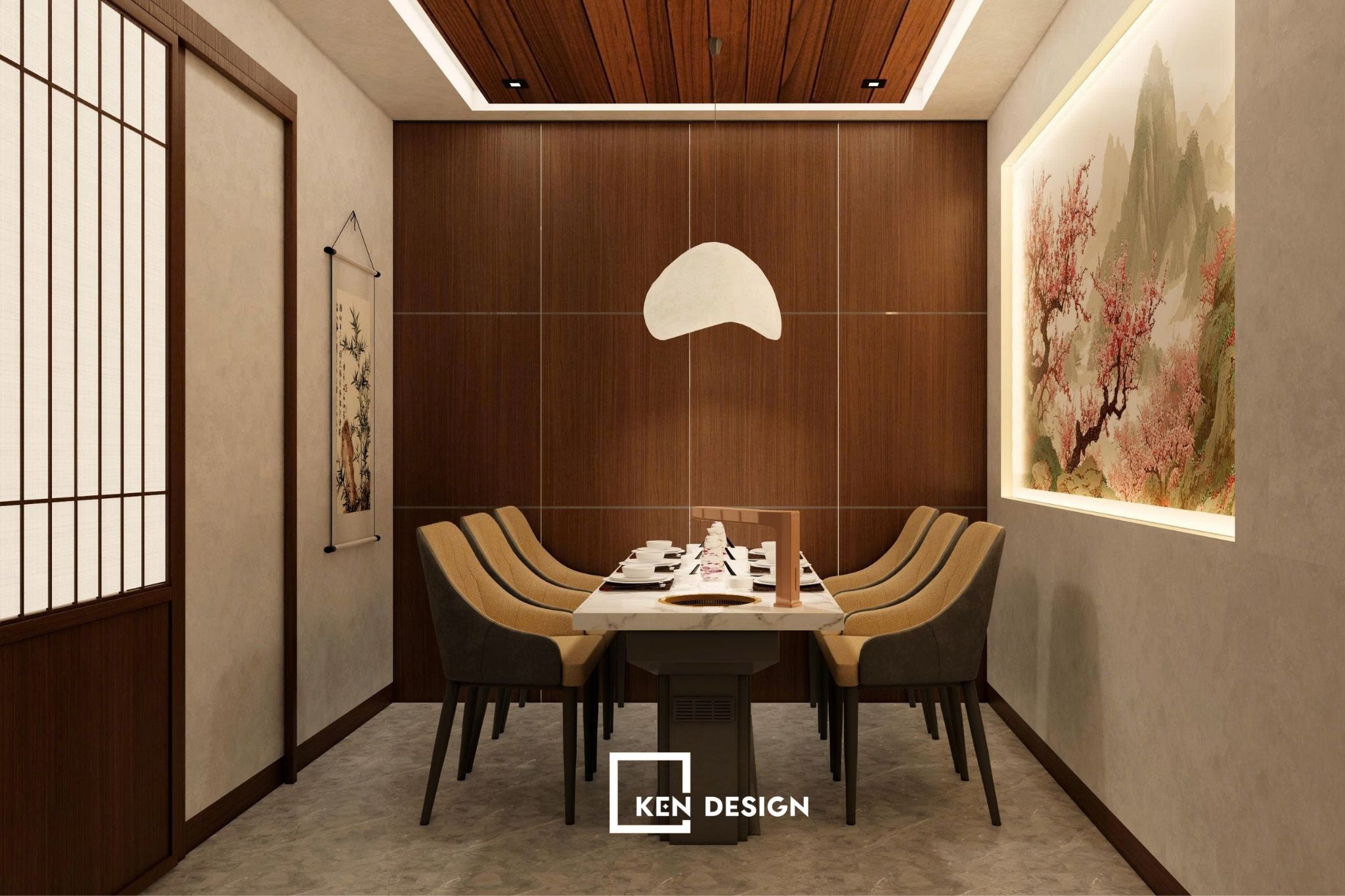
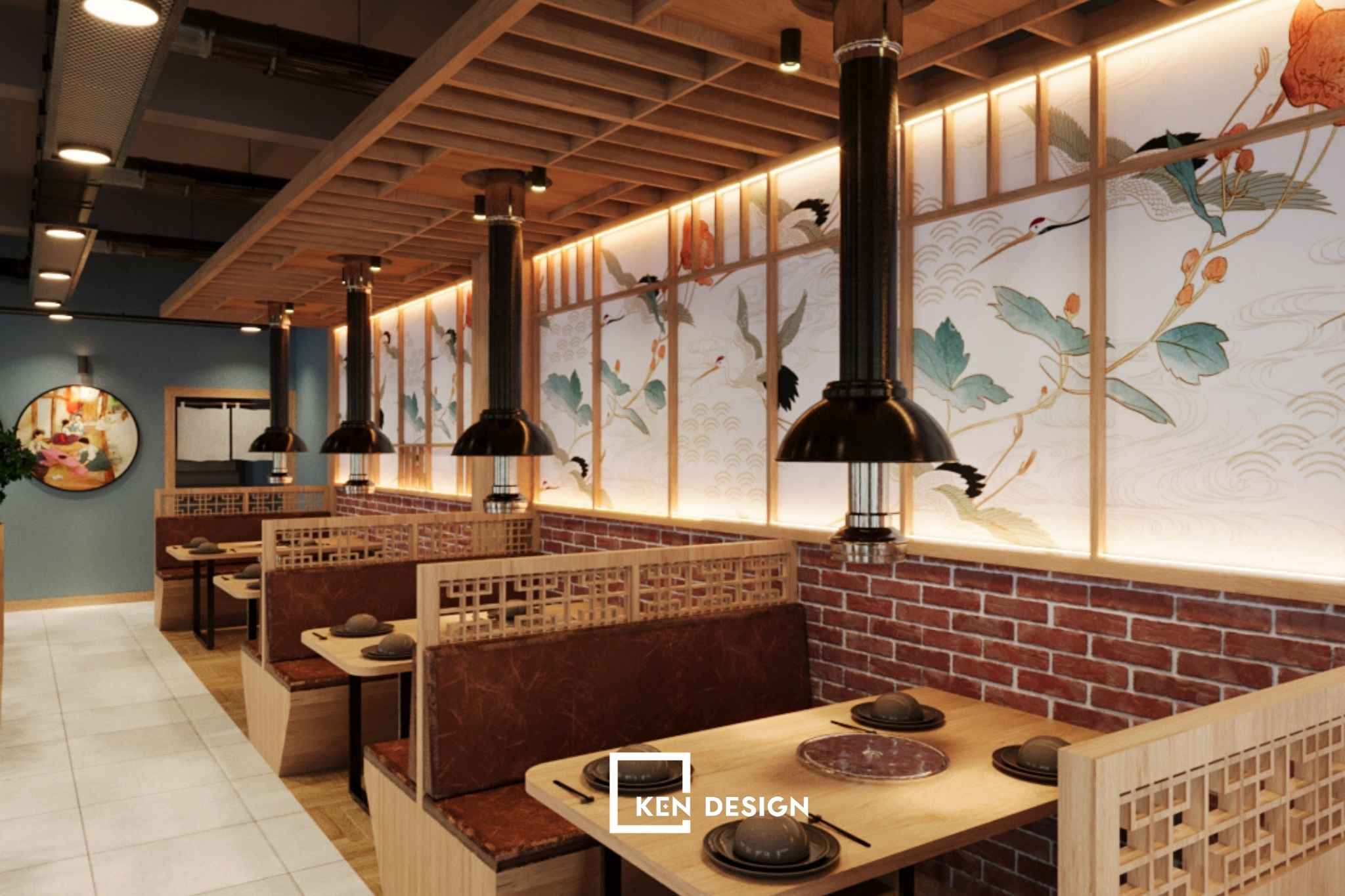
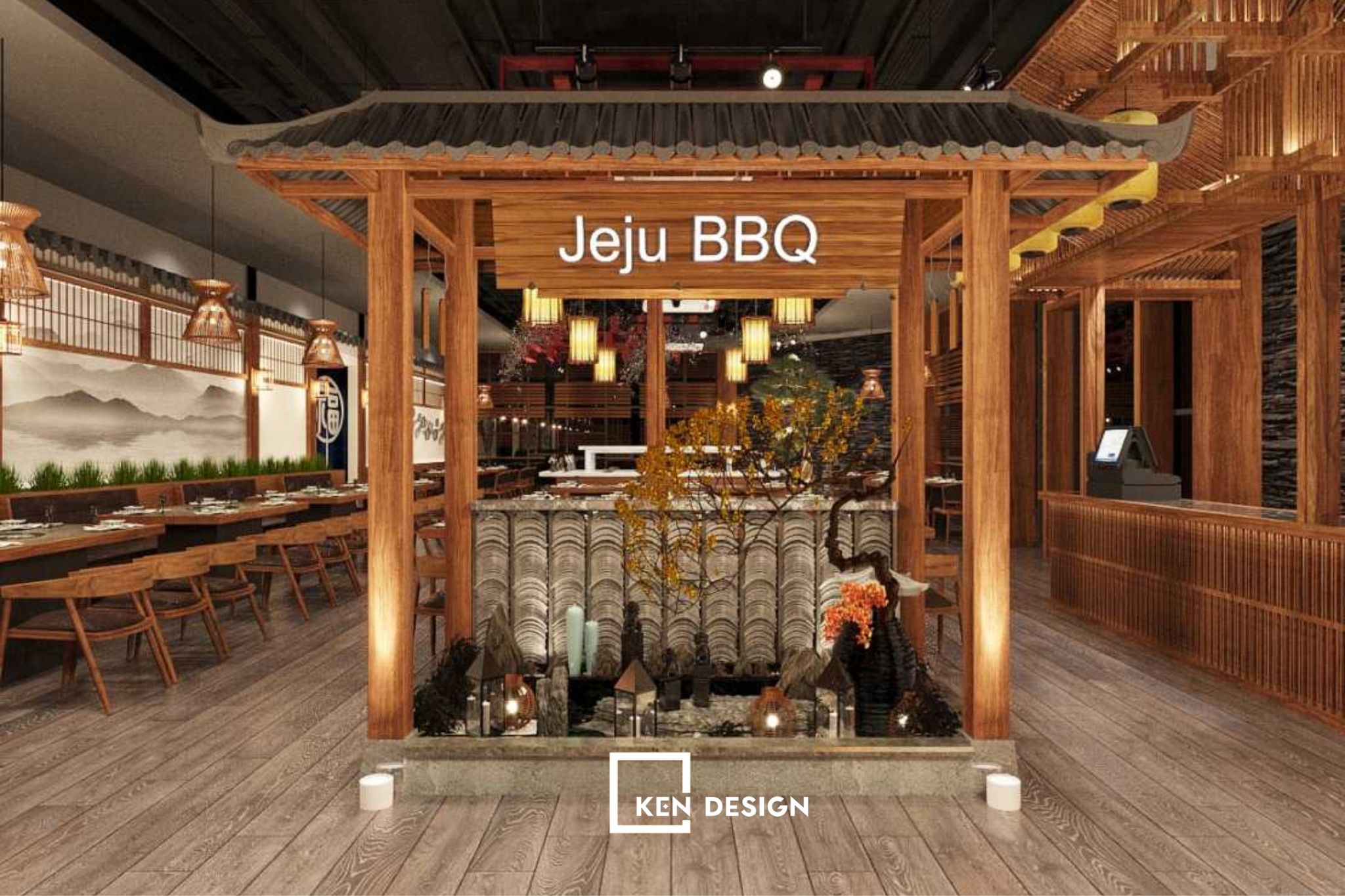
1. Why Is Ethnic Restaurant Design Becoming an Attractive Choice?
In the restaurant business, delicious food is essential, but it is not the only factor that shapes a memorable dining experience. A thoughtfully designed space with a distinctive identity and a compelling story can also become a competitive advantage.
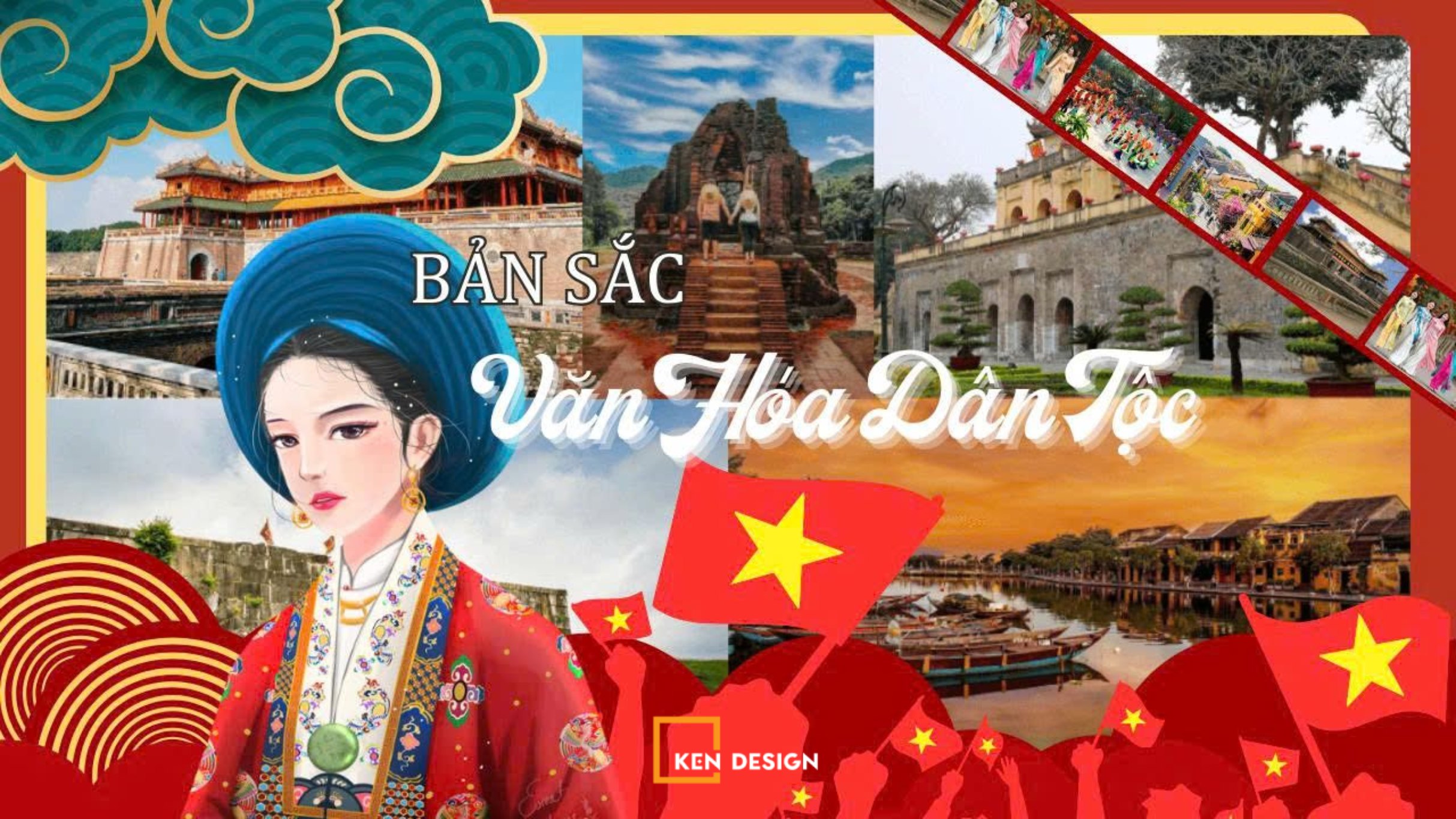
Ethnic restaurant design focuses on expressing the cultural characteristics of a community, region, or tradition through architecture, materials, colors, patterns, and spatial arrangements. Rather than serving only as a place to eat, the restaurant becomes an environment where culinary experiences connect with cultural identity.
1.1. Creating a Distinctive Restaurant Identity
In a competitive dining market, a restaurant needs more than a familiar layout or attractive furniture to stand out. Ethnic-inspired interiors can create a recognizable identity through carefully selected architectural details, natural materials, traditional motifs, and culturally meaningful decorative elements.
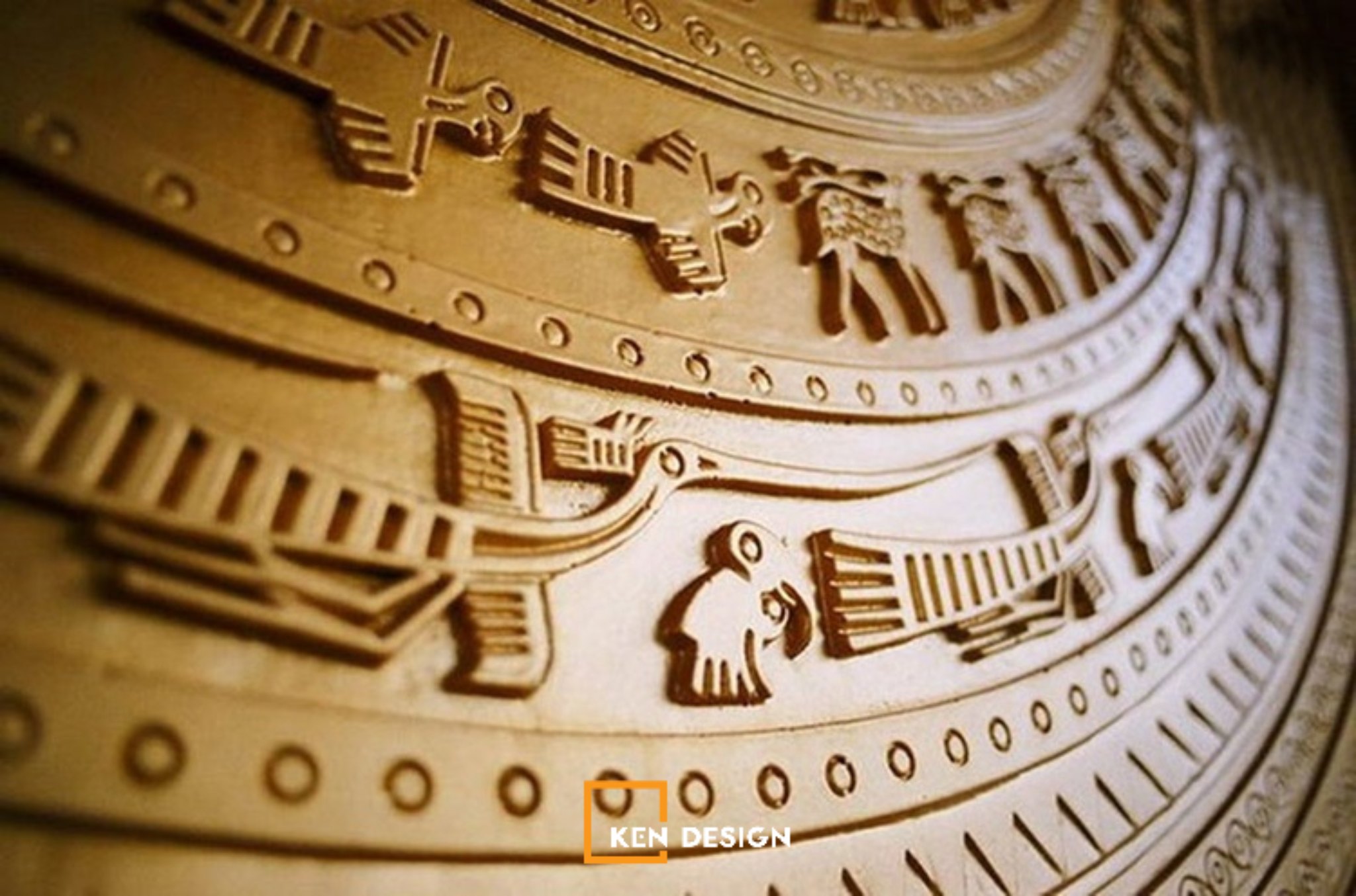
These features may include timber structures, bamboo details, traditional textiles, handcrafted objects, or architectural forms inspired by local communities.
When these elements are integrated consistently, they help establish a clear visual language that customers can recognize and remember.
1.2. Enhancing the Dining Experience Through Cultural Storytelling
A dining experience can become more meaningful when the surrounding environment reflects the origins of the cuisine. Lighting, textures, furniture, and architectural details all contribute to how guests perceive a restaurant.
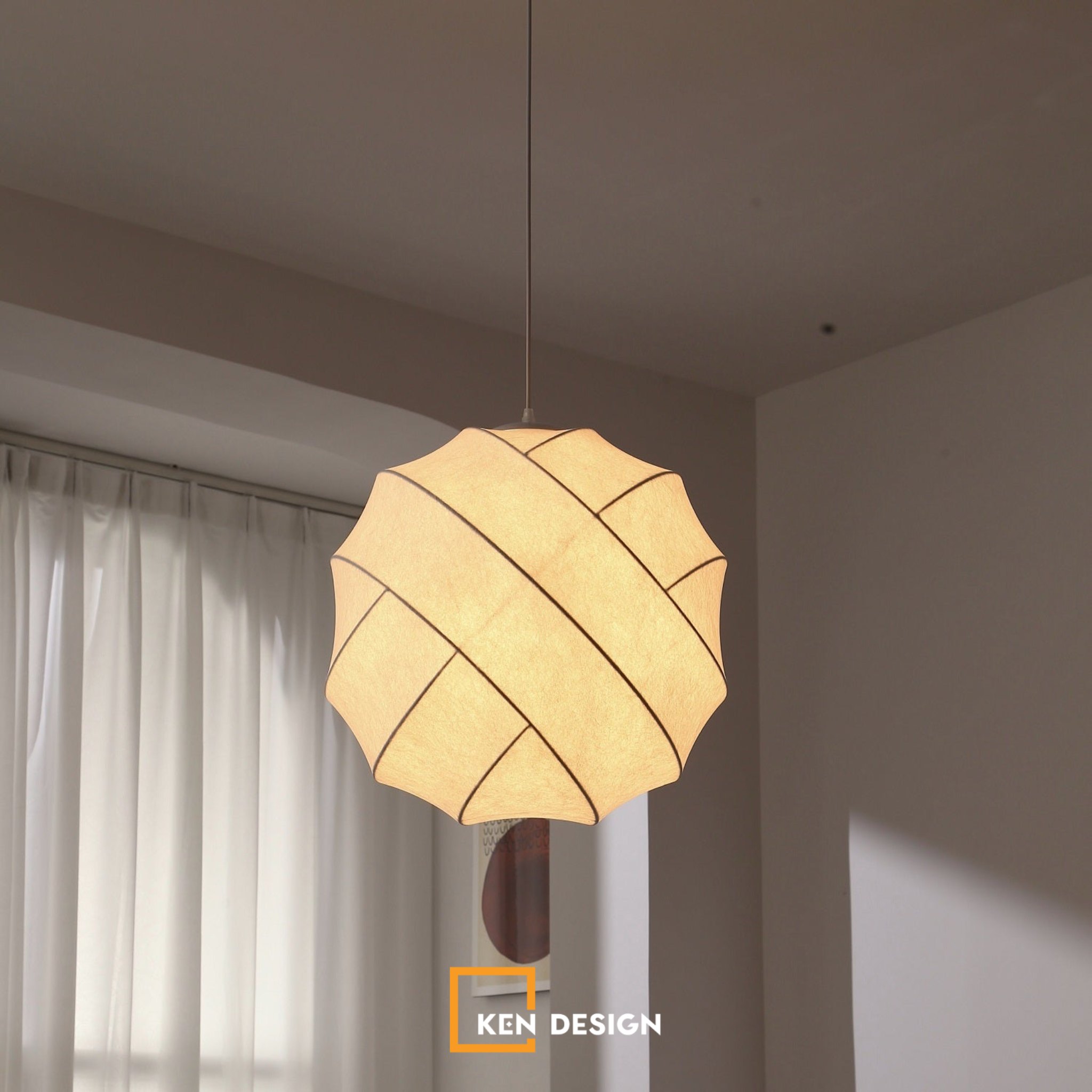
For example, a restaurant serving food from Vietnam's Northwest region may draw inspiration from mountain villages, traditional stilt houses, and locally associated materials. A restaurant inspired by the Central Highlands may instead explore communal spatial arrangements and architectural references appropriate to the specific culture being represented.
The goal is not simply to decorate a restaurant with traditional objects, but to create a coherent environment that connects the food, the space, and the brand's story.
1.3. Supporting Restaurant Marketing and Brand Recognition
A distinctive interior can strengthen a restaurant's visual identity across its website, social media channels, and online listings. Photogenic spaces may also encourage customers to take pictures, share their experiences, and introduce the restaurant to others.
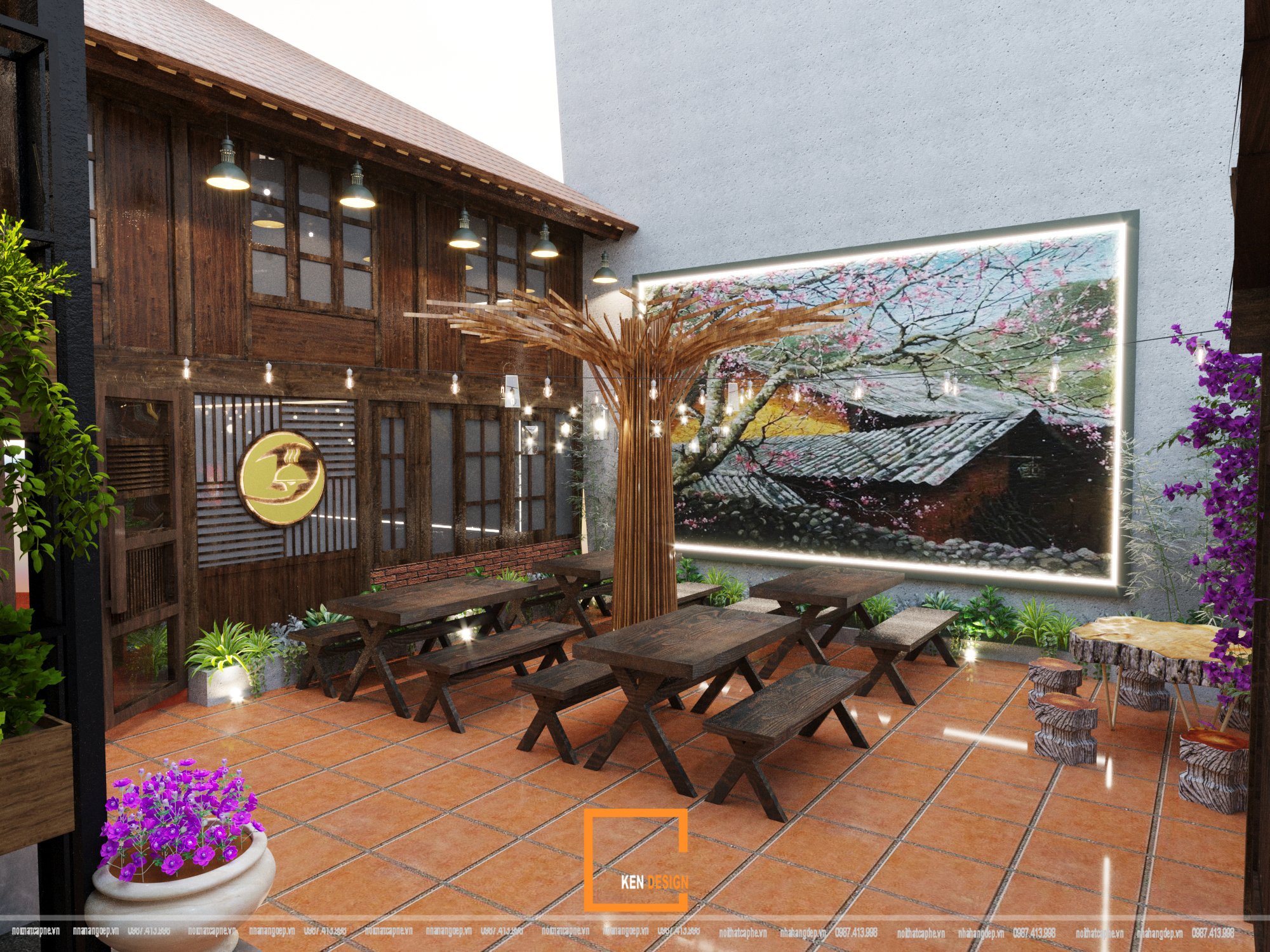
However, attractive interiors alone cannot guarantee business success. Design should work alongside food quality, service standards, location, and the overall customer experience.
For restaurant owners, the real opportunity lies in creating a space that is visually appealing while remaining practical and consistent with the business concept.
2. Beautiful Ethnic Restaurant Design Ideas to Inspire Your Next Project
Different cultural traditions have their own architectural characteristics, materials, and decorative styles. When choosing an ethnic restaurant design concept, owners should consider their menu, brand positioning, target audience, available space, and investment budget.
The following design directions offer inspiration for restaurants seeking to create a distinctive atmosphere rooted in cultural heritage.
2.1. Northwest Vietnamese Restaurant Design
Northwest Vietnamese restaurant design often draws inspiration from the mountainous landscapes, village architecture, and cultural traditions of ethnic communities in northern Vietnam. This approach is particularly suitable for restaurants serving regional specialties or creating a dining experience inspired by the Northwest.
Key design characteristics include:
-
Natural materials: Timber, bamboo, stone, and other textured materials can create a warm, organic atmosphere.
-
Traditional stilt-house inspiration: Elevated platforms, timber structures, roof forms, and selected architectural details may reference traditional stilt houses when appropriate to the design concept.
-
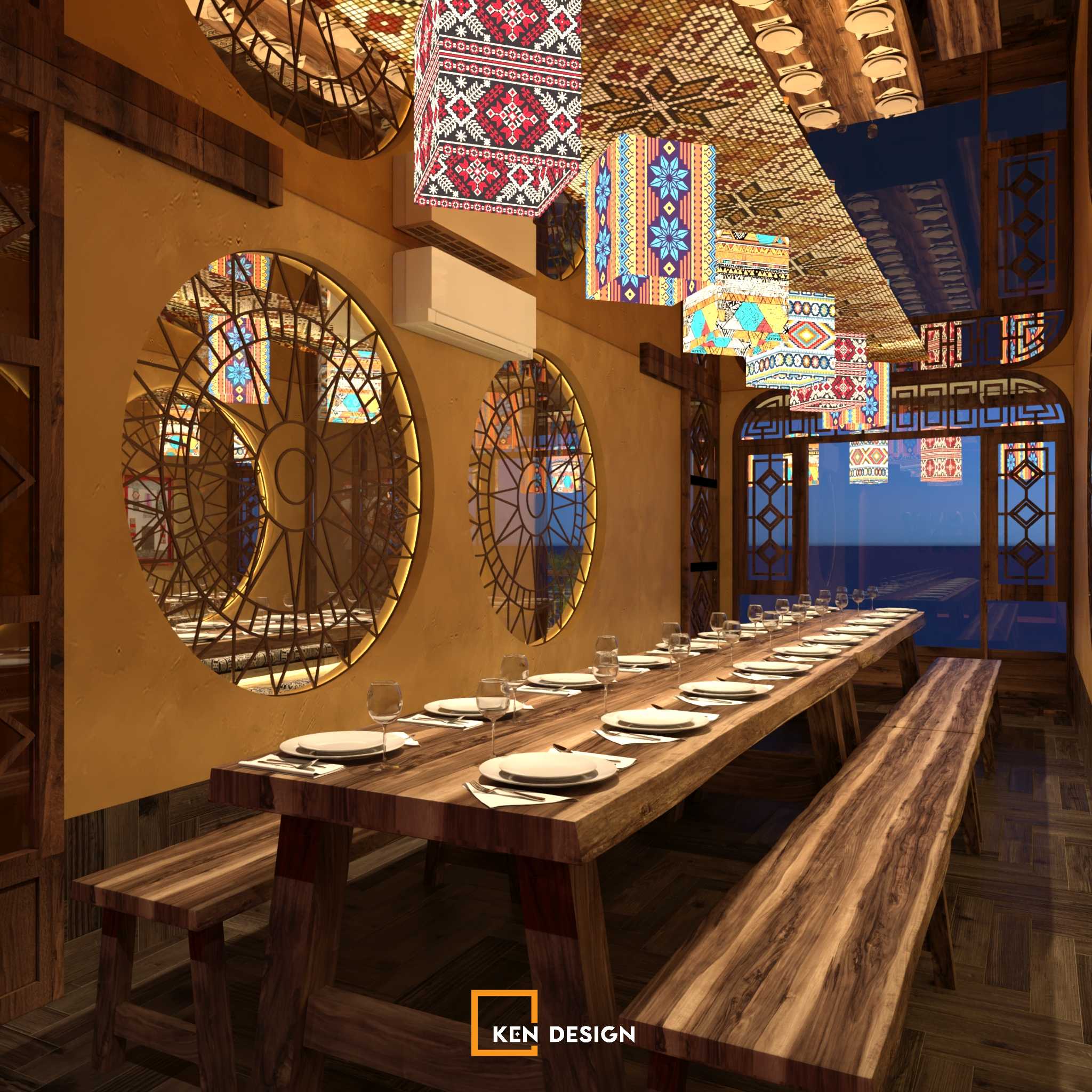
Textile patterns: Traditional textiles and decorative motifs can be incorporated into wall features, cushions, partitions, or selected interior details.
-
Warm color palettes: Natural wood tones, earthy colors, and carefully selected accents inspired by regional textiles can add depth and visual character.
Read more: Pao Quán – A Miniature Northwest Vietnam in the Heart of Hanoi
The layout may combine family dining tables, seating areas for larger groups, and more private corners. Where space allows, a terrace or garden can further reinforce the connection between the restaurant and its natural surroundings.
The key is to avoid overcrowding the interior with decorative elements. Cultural references should be selected carefully to maintain visual balance and create a consistent design language.
2.2. Central Highlands-Inspired Restaurant Design
Restaurant interiors inspired by Vietnam's Central Highlands can explore the region's distinctive architecture, communal traditions, and relationship with the natural environment.
Unlike Northwest-inspired interiors, this design direction may draw on architectural forms such as traditional communal houses or longhouses, depending on the specific cultural community being represented.
Potential design elements include:
-
Architectural forms: Selected references to traditional longhouses or communal houses can establish the overall character of the space.
-
Natural materials: Timber, bamboo, and other organic textures can create a grounded, tactile atmosphere.
-
Cultural patterns: Traditional motifs, handicrafts, and decorative objects should be chosen with attention to their cultural origins.
-
Communal seating: Group dining areas and shared spaces may reflect the social character of the restaurant concept.
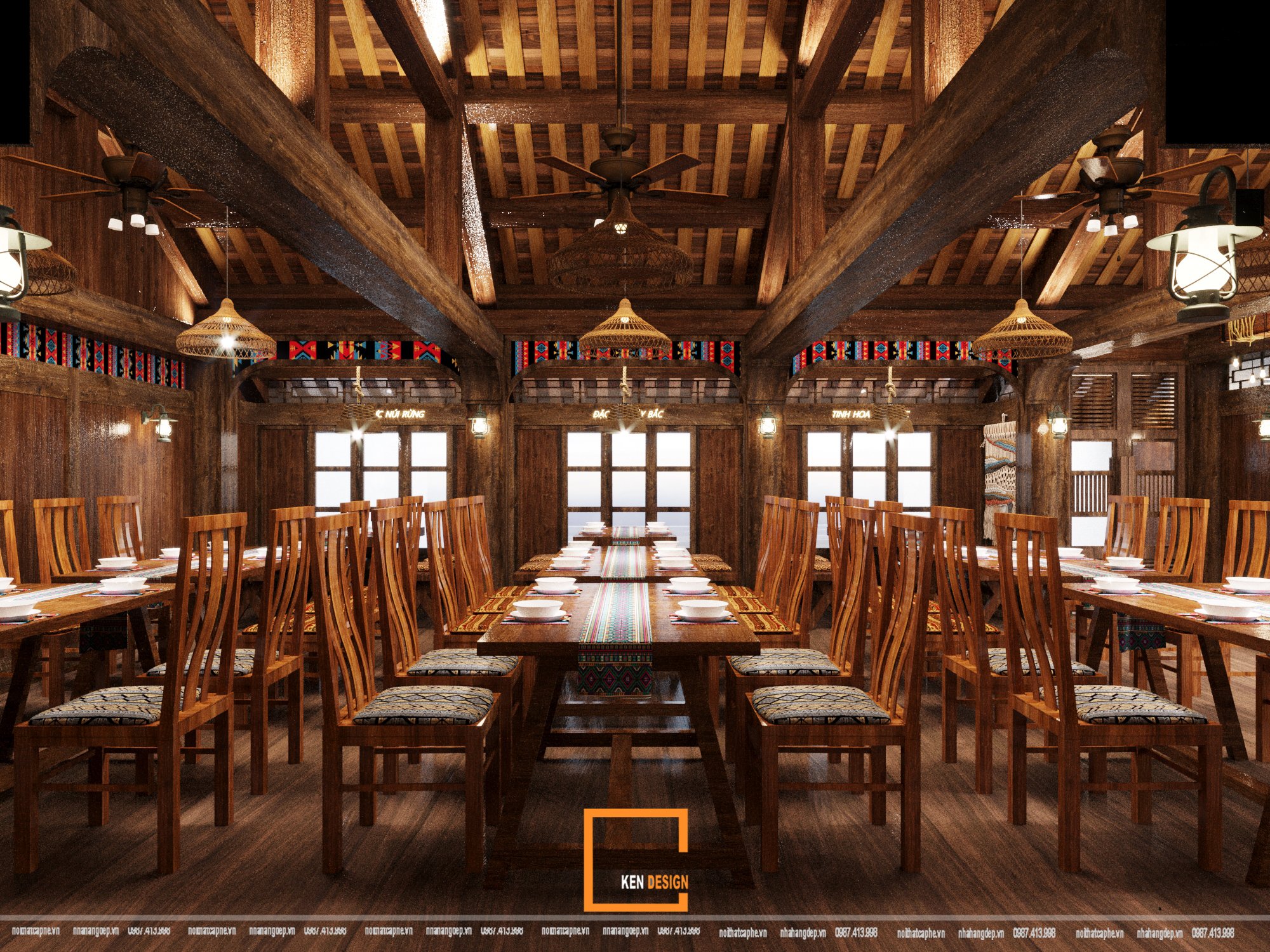
Read more: Duyen Quan Restaurant - The Gentle Charm of the Northwest Region
The architectural composition plays an important role in expressing the intended cultural identity. Instead of relying on a few symbolic decorations, designers should research the specific tradition being represented and develop a cohesive concept around it.
Accurate cultural interpretation is essential. Different architectural traditions should not be combined indiscriminately simply because they are associated with the same broad region.
2.3. Vietnamese Traditional Restaurant Design
For restaurants serving traditional Vietnamese cuisine, an interior inspired by Vietnamese architectural heritage can create a welcoming and familiar atmosphere.
Rather than representing one specific ethnic community, this approach can draw on traditional residential architecture, courtyards, tiled roofs, timber structures, and regional design traditions.
Common design features include:
-
Traditional architecture: Tiled roofs, timber columns, covered verandas, and references to traditional Vietnamese houses.
-
Natural materials: Wood, brick, stone, and ceramics can introduce warmth and texture.
-
Traditional furnishings: Wooden furniture, ceramic objects, folk art, and selected handcrafted pieces can create visual interest.
-
Green spaces: Courtyards, plants, and garden features can make the dining environment feel more relaxed when the site allows.
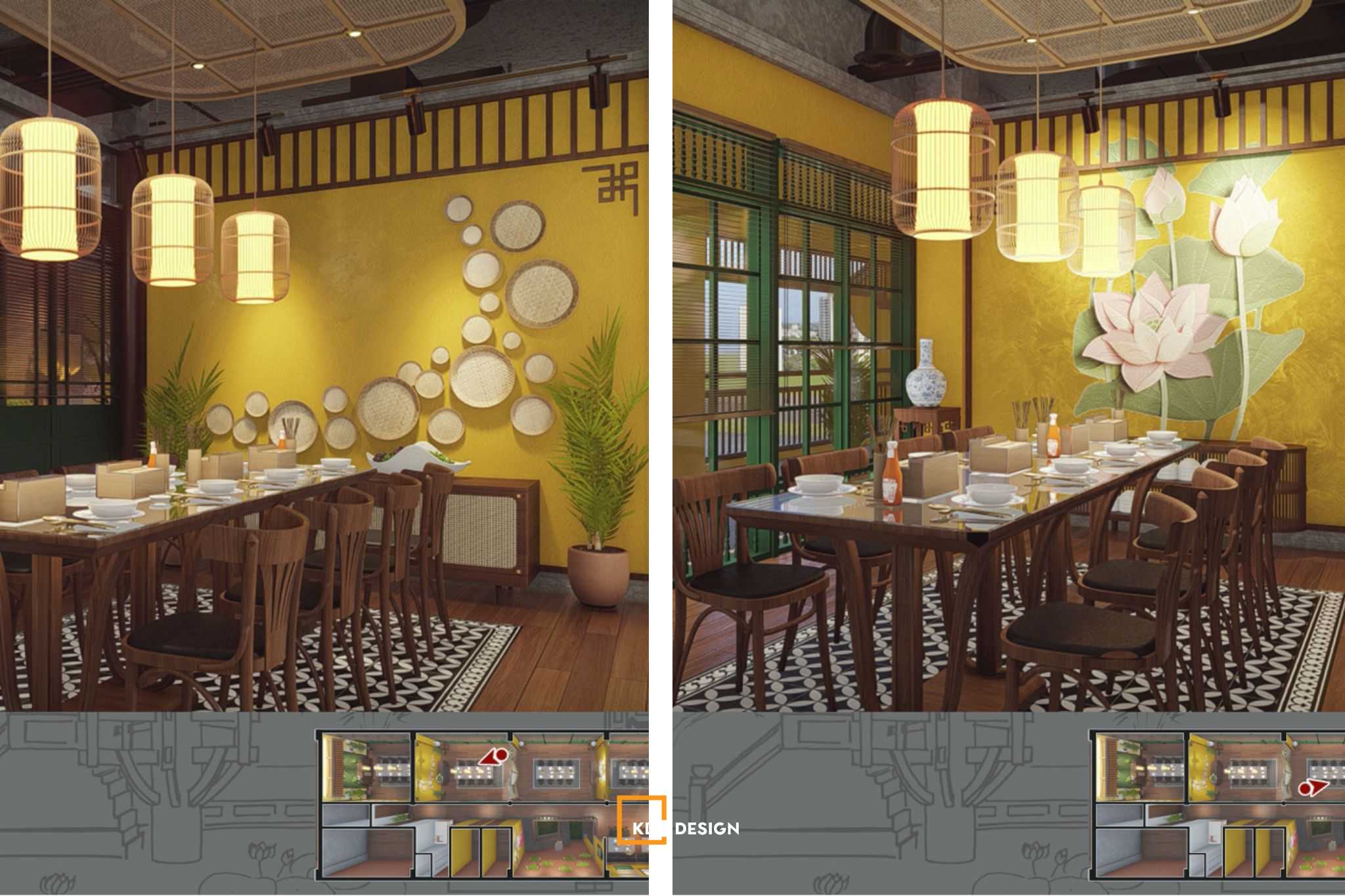
Read more: Designing the Em Ha Noi Restaurant - a glimpse of old Vietnam
One advantage of this approach is its flexibility. Traditional architectural references can be combined with modern lighting, comfortable seating, contemporary kitchen facilities, and efficient circulation.
To avoid a generic result, restaurant owners should establish a clear regional identity. A Northern Vietnamese courtyard concept, a Central Vietnamese heritage-inspired interior, and a Southern Vietnamese riverside atmosphere may require very different design solutions.
2.4. Modern Ethnic Restaurant Interior Design
Ethnic restaurant interiors do not always need to recreate traditional architecture in its original form. In urban locations, shopping centers, or compact commercial spaces, a modern interpretation may be more practical.
This approach preserves selected cultural references while adapting the interior to contemporary expectations for comfort, functionality, and operational efficiency.
Design strategies to consider include:
-
Using timber, stone, or natural-looking finishes as the foundation of the interior palette.
-
Incorporating traditional motifs into selected wall panels, partitions, or furniture rather than covering every surface.
-
Combining contemporary decorative lighting with warm illumination to highlight textures and architectural features.
-
Choosing streamlined furniture that supports comfortable dining and efficient circulation.
-
Organizing functional zones clearly to improve the experience of both customers and staff.
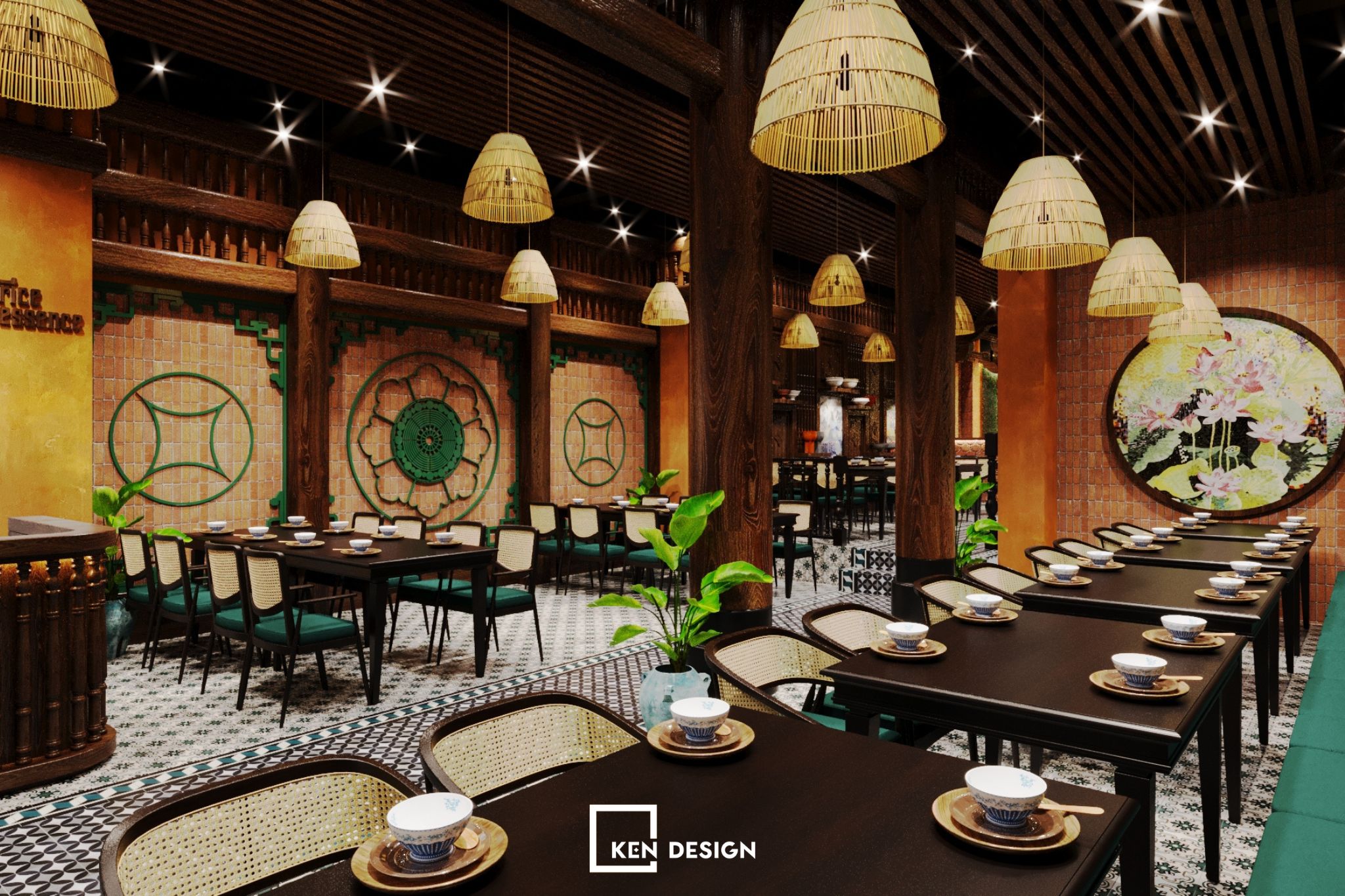
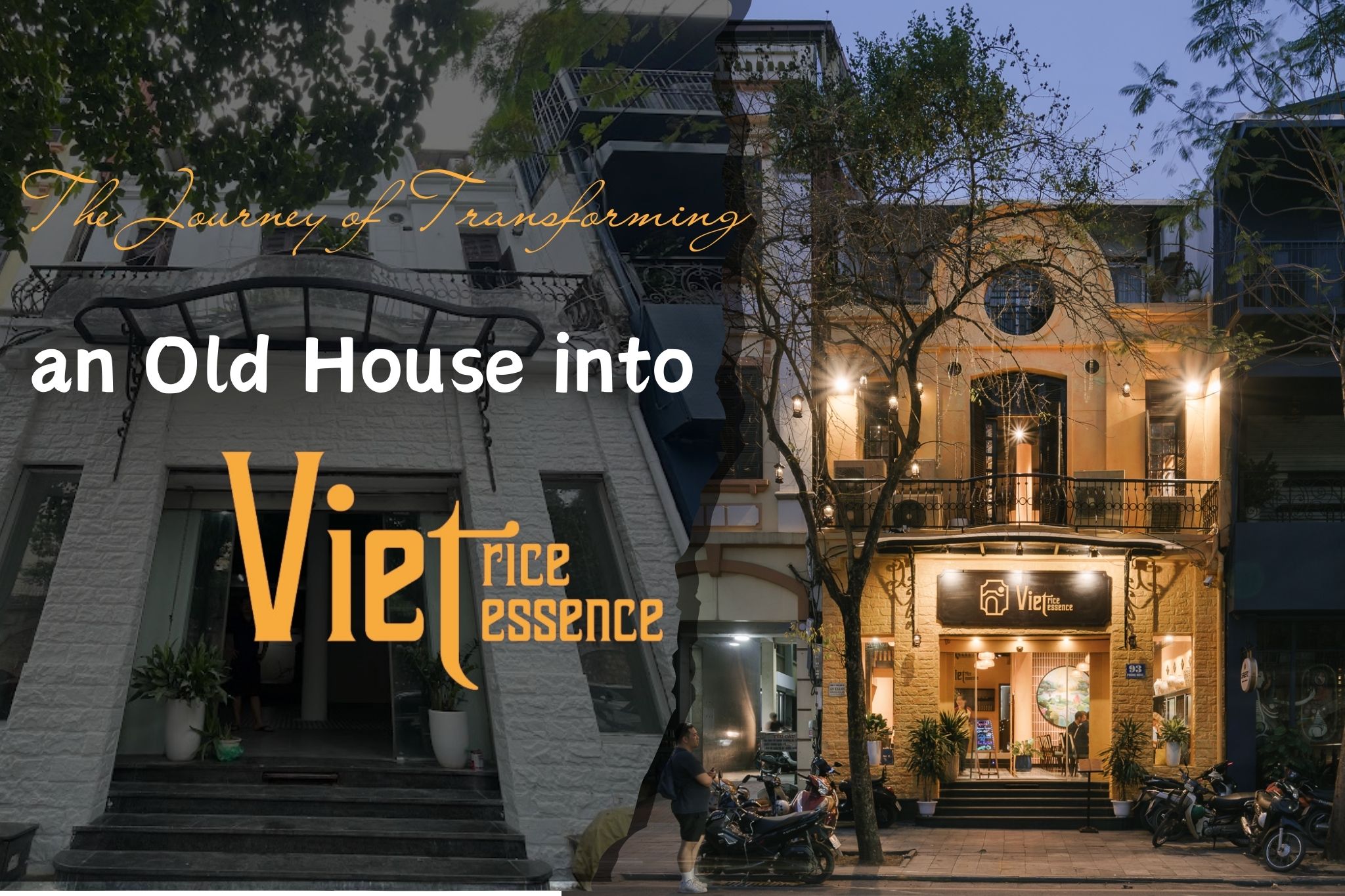
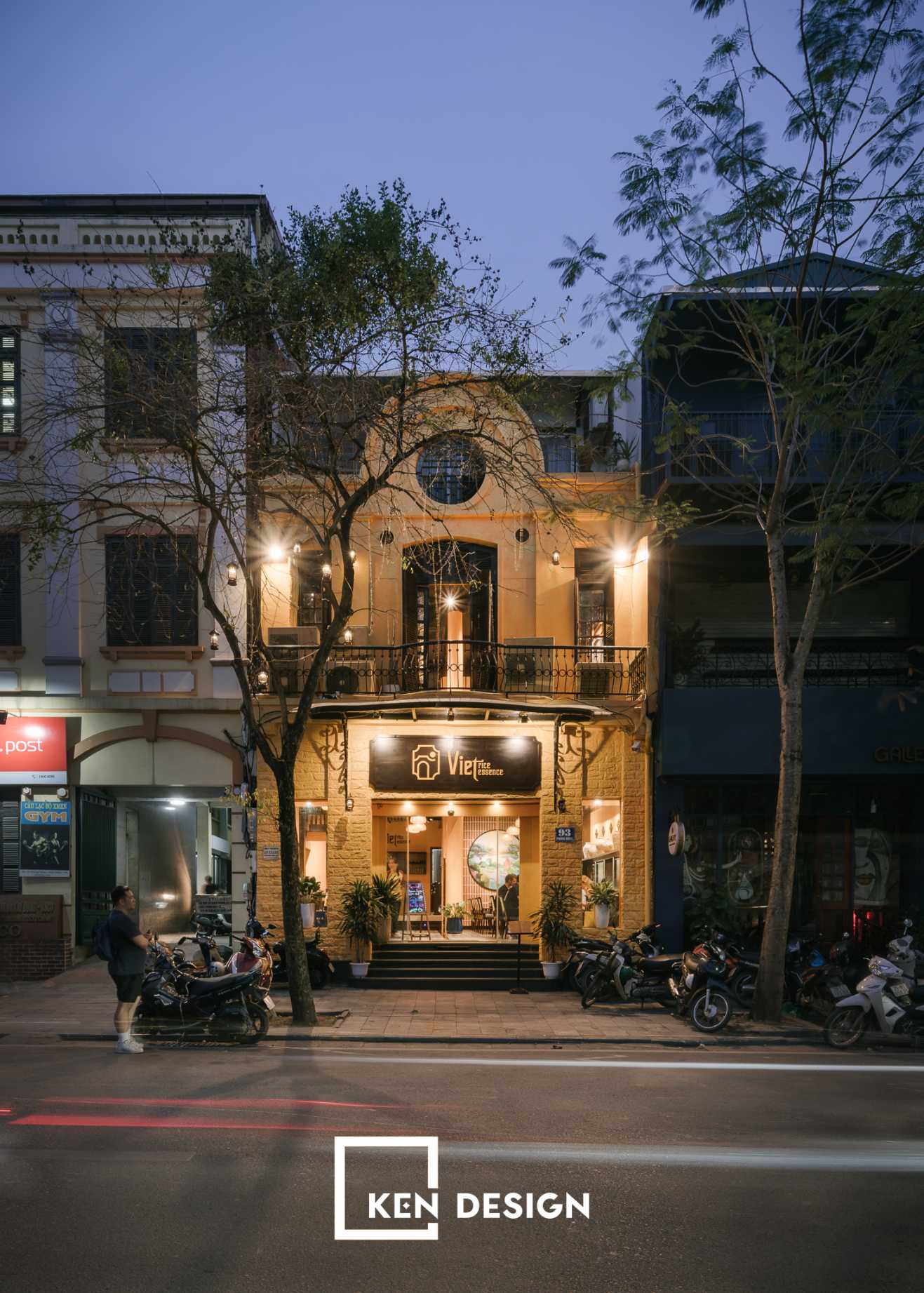
Read more: The design of Viet Rice Essence restaurant
For example, a restaurant inspired by Vietnam's mountainous regions could use natural wood tones and selected textile patterns alongside contemporary seating and carefully planned lighting.
The result can communicate cultural identity without requiring the entire venue to imitate a traditional building.
This approach is particularly relevant for restaurant owners who want a distinctive brand image while maintaining flexibility in layout, construction, and daily operations.
2.5. Ethnic Restaurant Design With Garden Spaces
For restaurants with larger sites, combining ethnic-inspired interiors with landscaped outdoor areas can create a more immersive dining environment.
Depending on the concept, the landscape may incorporate greenery, stone pathways, natural materials, covered seating, and transitional spaces between indoor and outdoor dining areas.
When planned effectively, the garden can help organize different seating zones while creating a stronger connection between architecture and nature.
Important design considerations include:
-
Spatial planning: Define indoor dining areas, outdoor seating, circulation routes, and service access.
-
Weather protection: Account for sunlight, rainfall, wind, and local climate conditions.
-
Landscape lighting: Combine functional lighting with decorative illumination without creating glare.
-
Material durability: Choose outdoor finishes that can withstand moisture, temperature changes, and regular use.
-
Design consistency: Ensure that the landscape, architecture, and interior details support the same cultural concept.
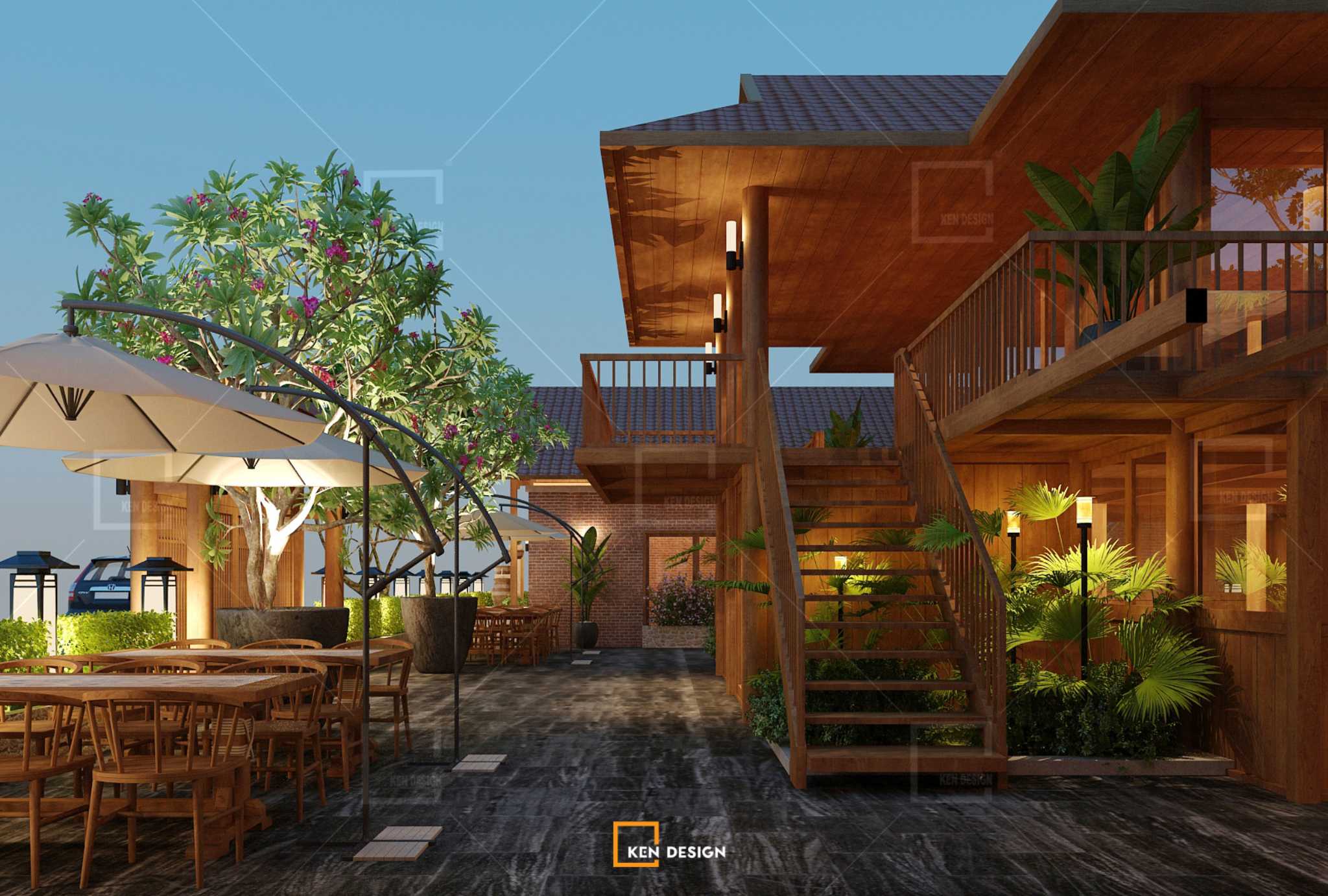
Read more: Design of Tay Bac Quan restaurant
A garden should not be treated merely as a decorative addition. When integrated into the initial design, it can support the restaurant's atmosphere and contribute to a more considered customer experience.
3. Essential Elements of an Authentic Ethnic Restaurant Interior
A restaurant does not establish cultural identity simply by displaying a few traditional objects. A successful interior brings architecture, materials, colors, lighting, and functionality together in a coherent way.
3.1. Choose Materials That Support the Design Concept
Materials influence how guests perceive a restaurant. Wood can introduce warmth, stone can create a sense of solidity, while bamboo and handcrafted materials may strengthen the connection with nature and traditional craftsmanship.
However, material selection must balance appearance, cost, durability, and maintenance requirements.
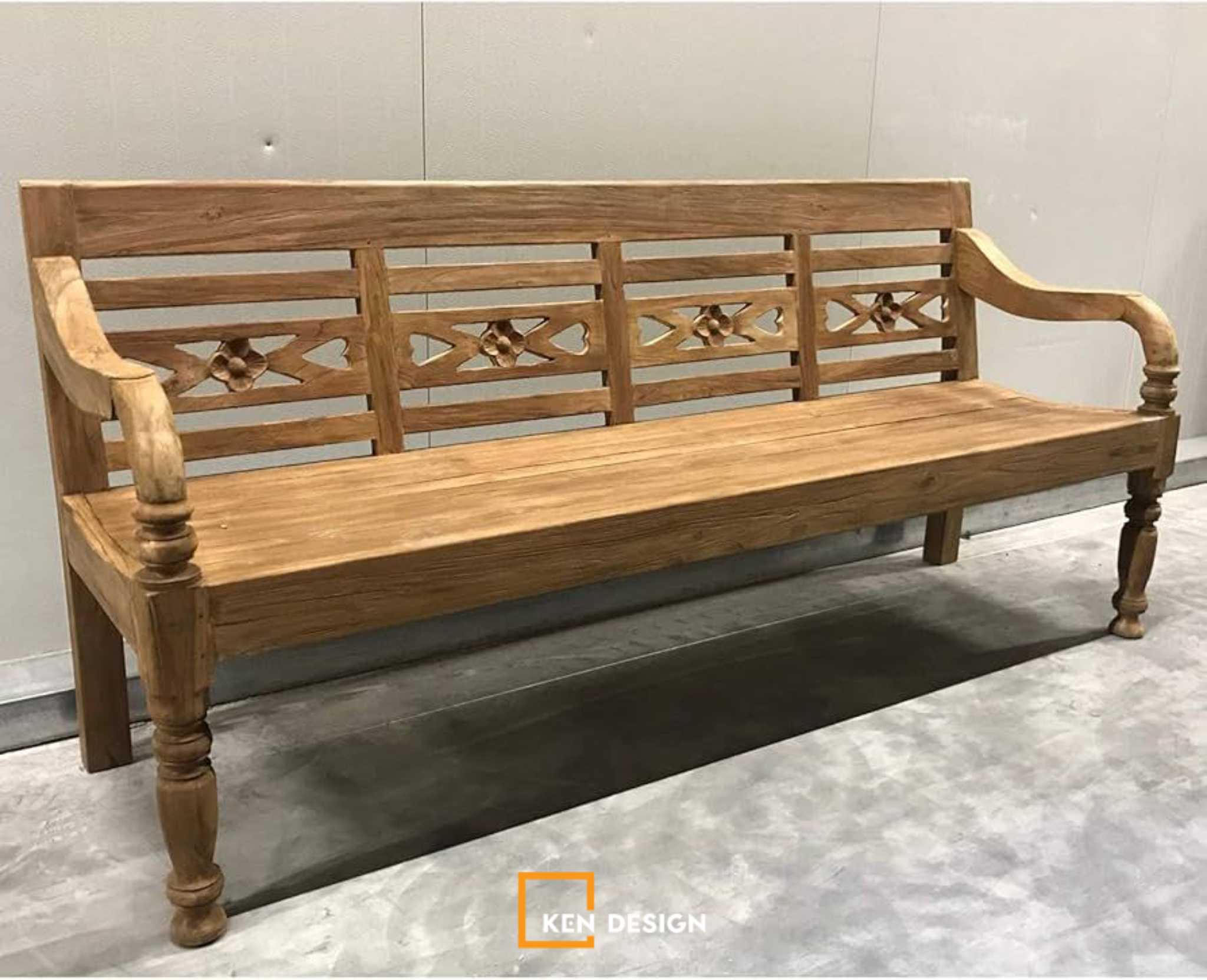
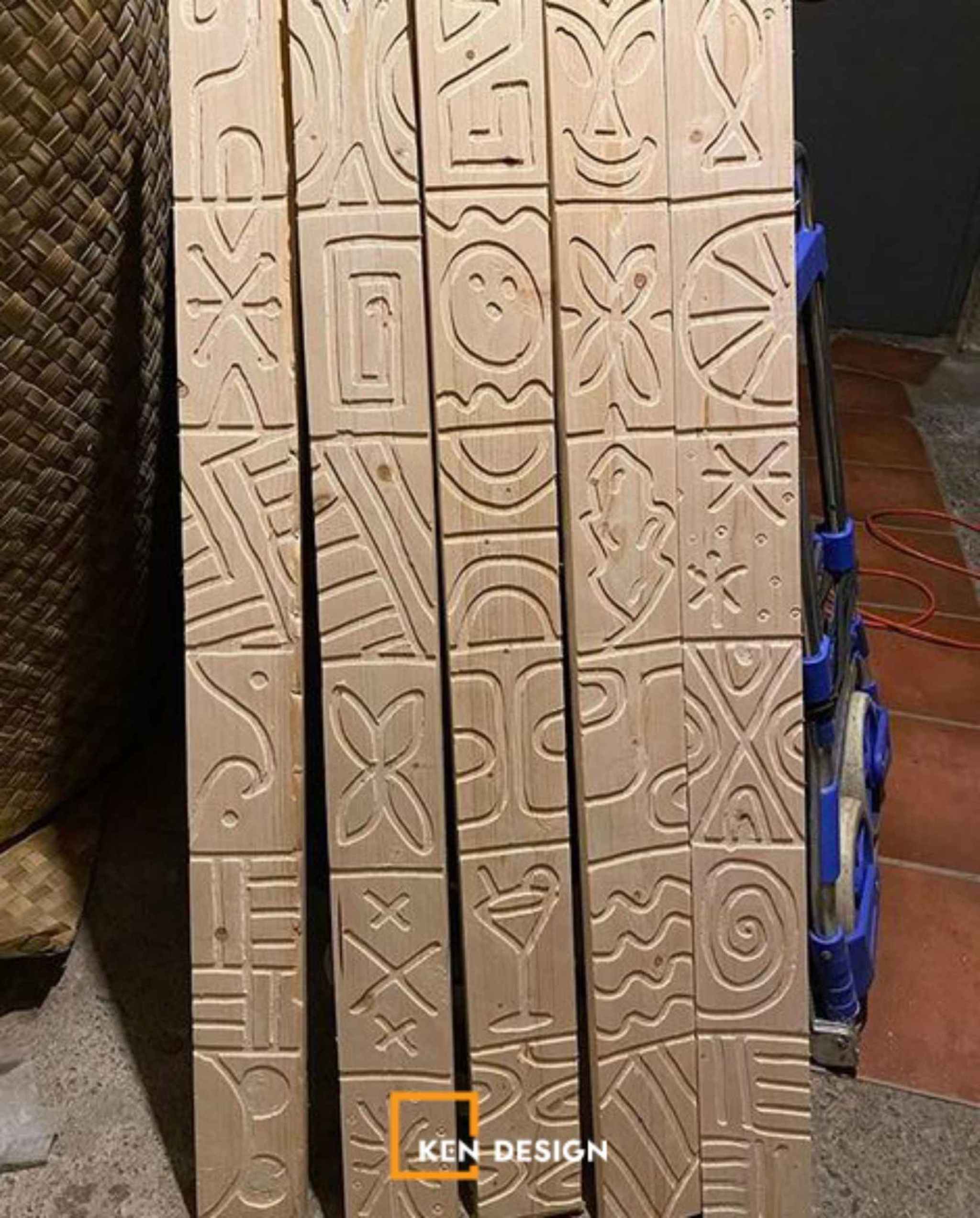
Areas exposed to water, grease, or heavy foot traffic require finishes that are suitable for frequent cleaning and daily commercial use. Natural materials may also need appropriate moisture protection, surface treatment, and regular maintenance.
In some projects, alternative finishes that replicate natural textures can help control costs while preserving the intended visual direction.
3.2. Use Colors and Patterns With Purpose
Color palettes and decorative motifs can communicate the cultural character of a restaurant. However, different communities have distinct traditions, so patterns and decorative objects should not be selected arbitrarily and labeled broadly as ethnic design.
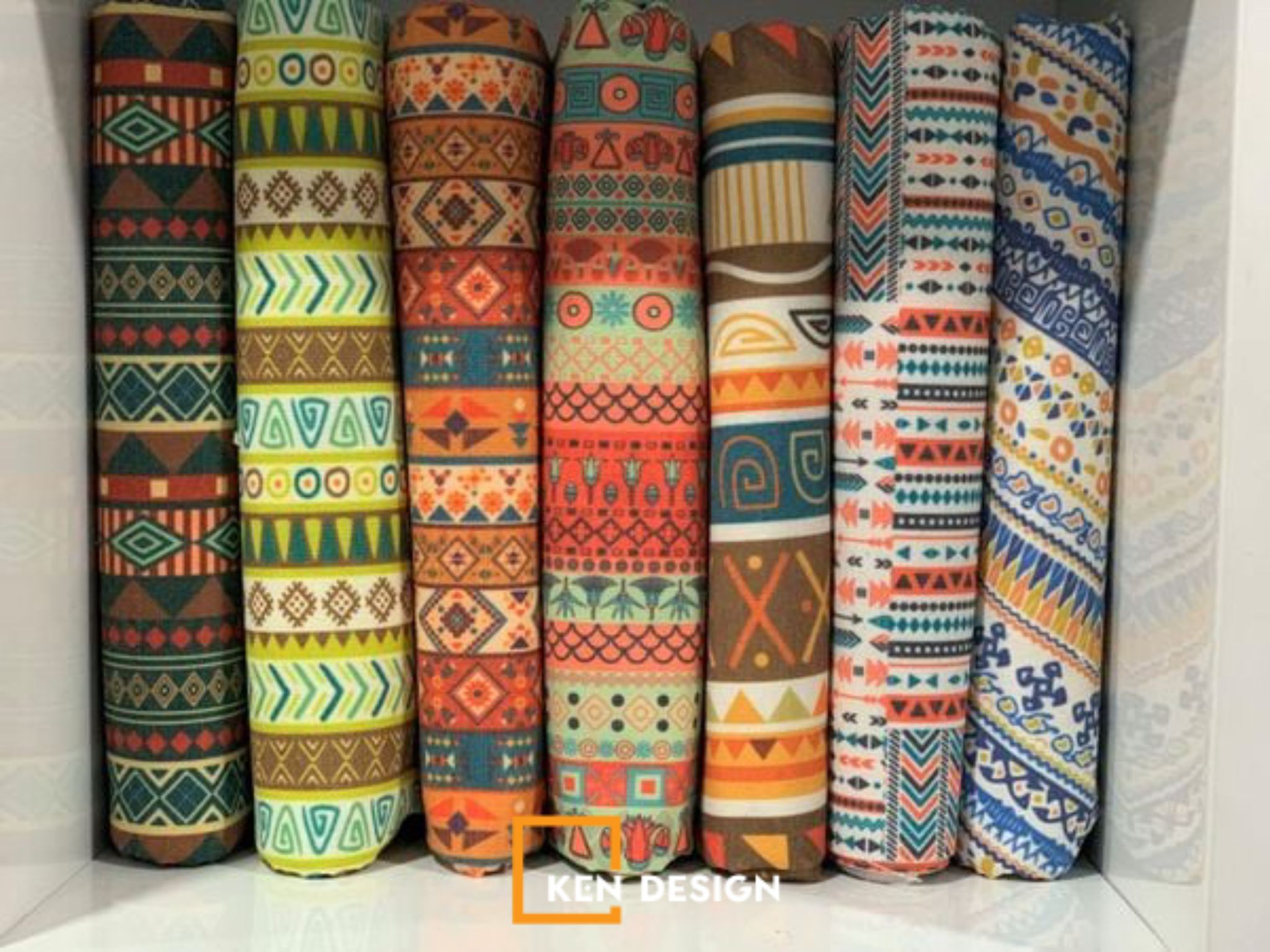
A more effective approach is to establish a primary color palette first, then introduce selected decorative accents.
For example, a natural timber background can be paired with carefully placed patterned textiles or handcrafted objects. This creates visual depth without making the interior feel overcrowded.
3.3. Use Lighting to Highlight Architecture and Interior Details
Lighting influences how customers perceive materials, colors, and atmosphere. Warm lighting can emphasize the textures of timber, stone, and traditional decorative elements.
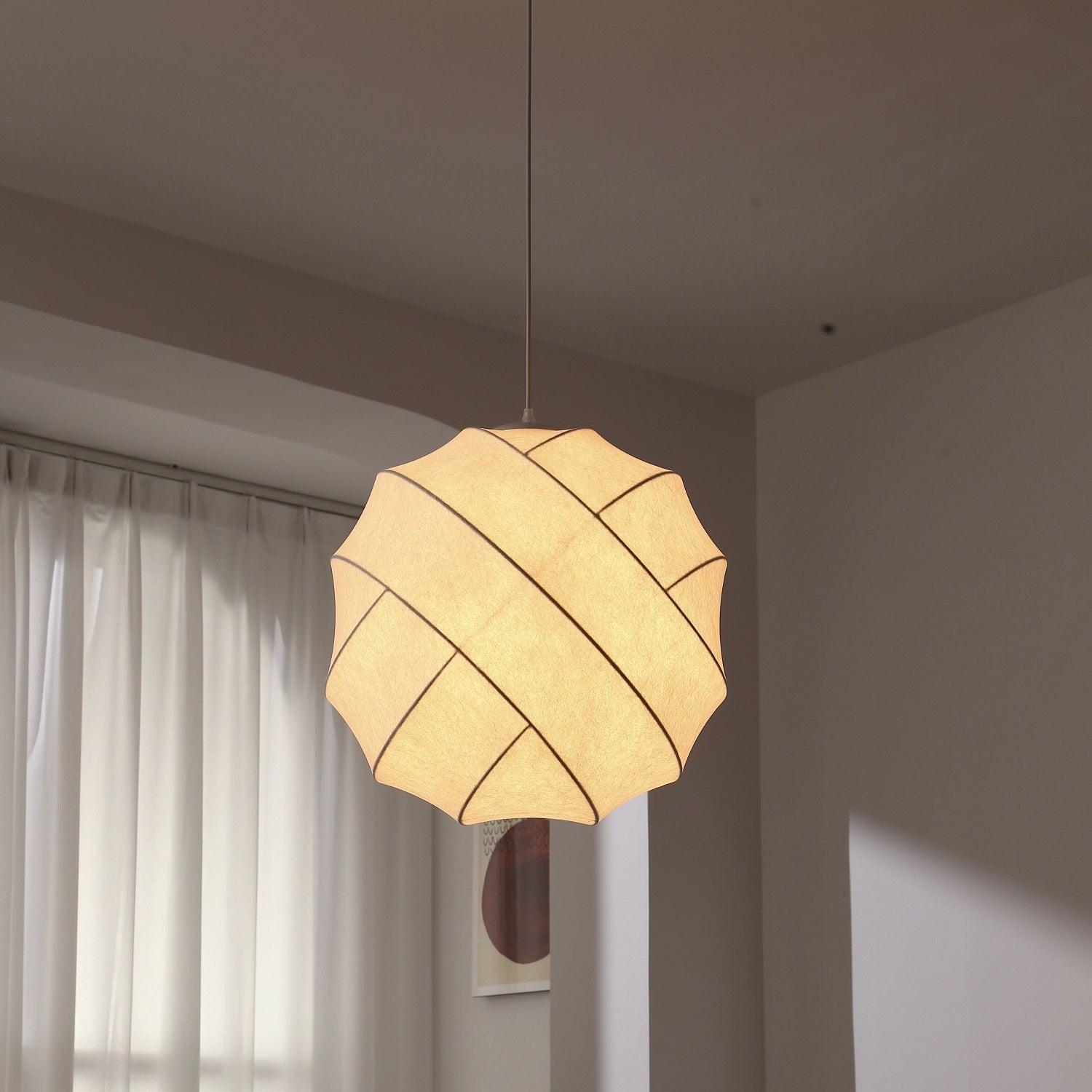
Beyond decorative fixtures, the lighting plan must support practical needs at dining tables, service counters, circulation routes, and functional areas.
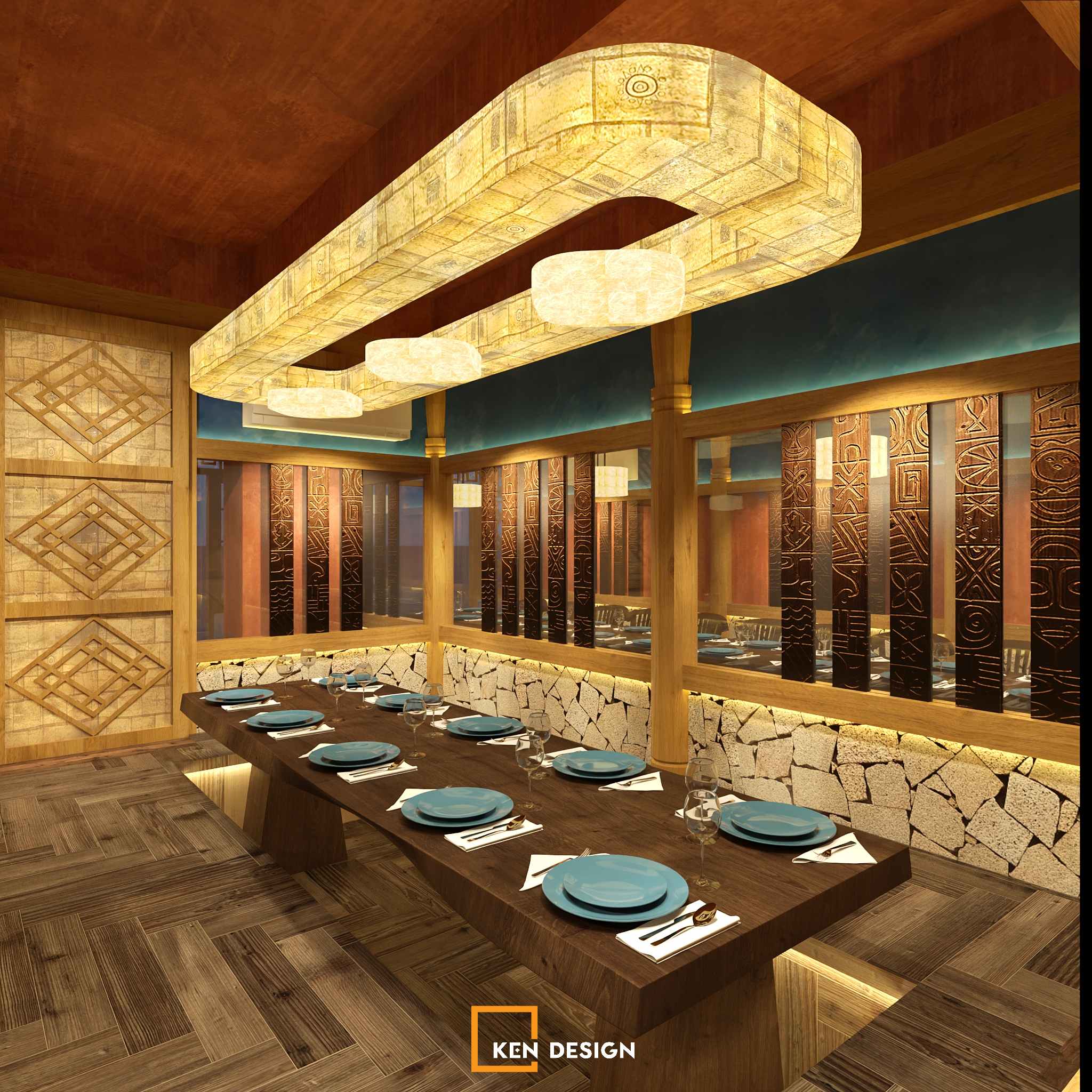
Combining ambient lighting with targeted accent lighting from the early design stage helps create a comfortable environment while avoiding overly dark or excessively bright areas.
3.4. Maintain Consistency in Cultural Storytelling
A coherent cultural narrative gives an ethnic restaurant design greater depth. Architectural forms, materials, patterns, and decorative objects should each have a clear purpose and relate to the identity the restaurant wants to communicate.
A Northwest Vietnamese concept, for example, should focus on appropriate cultural references from that region. A Central Highlands-inspired restaurant requires its own research and design approach.
Consistency does not mean reproducing a traditional environment exactly as it once existed. Modern adaptations are possible, provided that they respect the meaning of the cultural elements being used and support the restaurant's practical needs.
4. Practical Tips for Designing an Attractive and Functional Ethnic Restaurant
A restaurant interior must do more than look appealing. It should support efficient operations, a comfortable dining experience, and the owner's long-term business objectives.
Before starting a project, restaurant owners should evaluate the design concept, site conditions, functional requirements, and investment budget together.
4.1. Define the Restaurant Concept and Target Audience
Start by identifying the restaurant's cuisine, target customers, positioning, and intended dining experience.
A restaurant specializing in regional Vietnamese dishes, a destination restaurant catering to tourists, and a traditional dining venue in an urban neighborhood may require different approaches to architecture and interior design.
A clearly defined concept helps owners allocate their budgets more effectively, select appropriate materials, and determine which decorative features deserve the greatest attention.
It also reduces the risk of investing in visually appealing details that do not contribute to the customer experience or business objectives.
4.2. Plan the Layout for Efficient Operations
The floor plan should account for the relationship between the entrance, dining areas, kitchen, storage, restrooms, and staff circulation routes.
Restaurants serving large groups need to consider table arrangements, movement between seating areas, and service efficiency during busy periods. Smaller venues may benefit from compact layouts, flexible seating, and restrained decorative features.
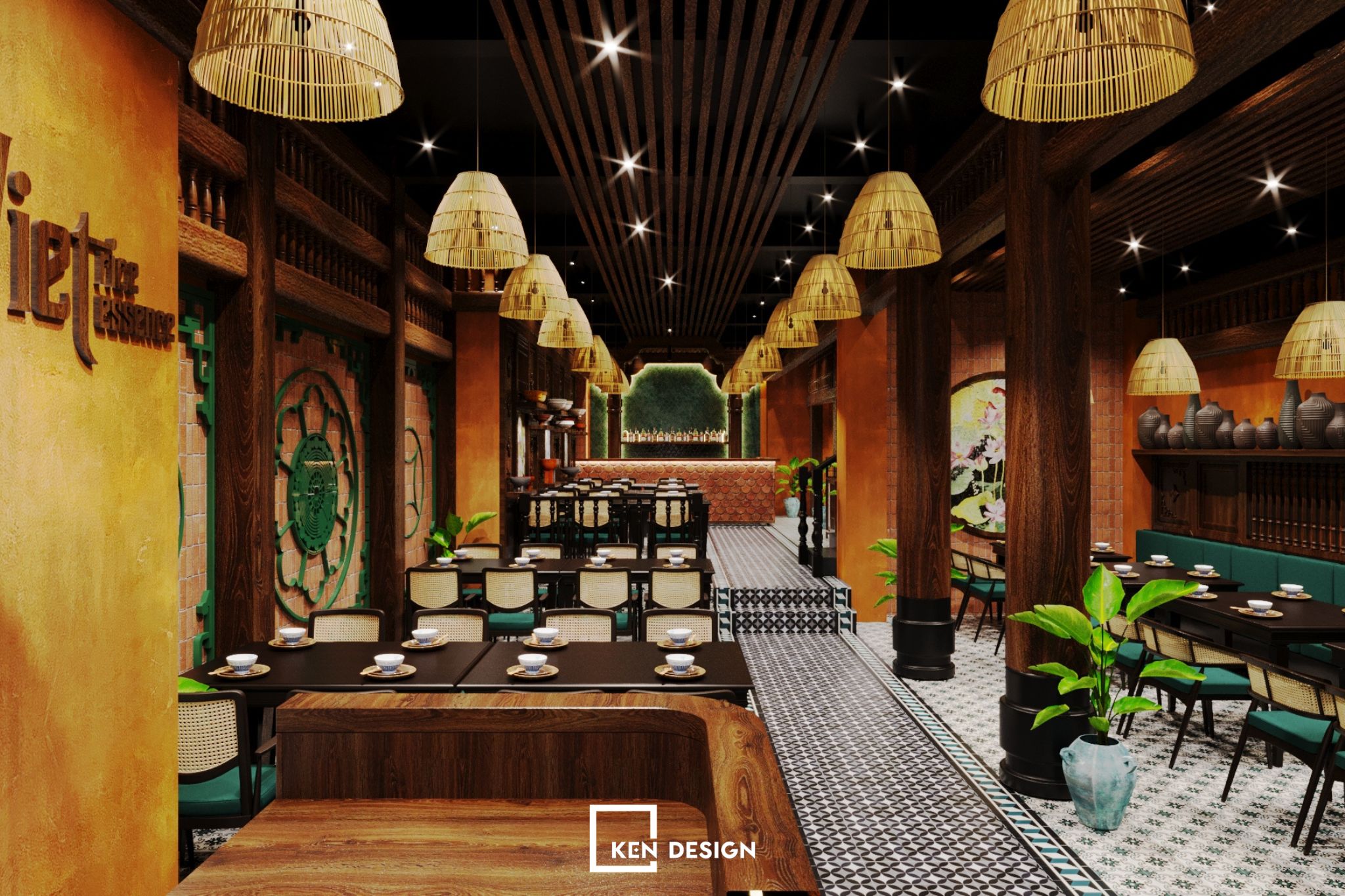
Ventilation, fire safety, hygiene, accessibility where applicable, and emergency exits should also be considered during the design process rather than addressed only after the interior has been completed.
4.3. Establish a Realistic Investment Budget
The cost of designing and building an ethnic restaurant depends on several factors, including floor area, existing site conditions, renovation requirements, material choices, architectural complexity, and equipment specifications.
Rather than distributing the budget evenly across every part of the restaurant, owners can prioritize the features that define the brand, such as the entrance, reception area, central dining space, or signature architectural elements.

Other areas can follow the same design language with a more restrained approach.
To manage costs effectively, establish a clear scope of work, material specifications, and itemized budget before construction begins. When comparing quotations, evaluate equivalent work scopes and technical standards rather than choosing solely on the basis of the lowest initial price.
4.4. Choose the Right Restaurant Design and Construction Partner
A professional design team helps translate an initial idea into a practical spatial solution while balancing aesthetics, functionality, and budget.
For ethnic restaurant projects, the process also requires thoughtful research into cultural traditions and an understanding of how traditional references can be adapted to contemporary commercial spaces.
Before selecting a partner, restaurant owners should review the company's portfolio, relevant project experience, design proposals, scope of work, and coordination process between design and construction.
Project timelines, material specifications, potential additional costs, and the responsibilities of each party should also be clearly defined.
5. Kendesign: Creating Restaurant Spaces With a Distinctive Identity
Ethnic restaurant design brings together cultural research, creative thinking, and practical commercial requirements. A successful project should not only look distinctive but also communicate the restaurant's story, suit its target customers, and support its operational needs.
Kendesign works in restaurant and commercial interior design, helping restaurant owners explore design concepts and develop spatial solutions suited to their business goals.
Depending on the concept, owners may consider Northwest Vietnamese inspiration, regional cultural influences, or a contemporary interpretation of traditional design. Each approach should be developed around the actual site conditions, budget, and experience the brand wants to offer.
If you are planning to open a restaurant or renovate an existing venue, contact Kendesign to discuss your concept, design requirements, and potential solutions.
A well-planned design process can provide a clearer foundation for construction, budget management, and the development of a distinctive restaurant identity.