1. Overview of Pao Quán – A Taste of Northwest Vietnam in Hanoi
1.1. About Pao Quán
Pao Quán is a restaurant inspired by the cuisine of Northwest Vietnam, making an impression by bringing the distinctive character of the mountains and forests into a dining space in the heart of Hanoi. Beyond its culinary offerings, Pao Quán creates a cohesive experience through a space that reflects local culture, warmth, and authenticity.
1.2. Pao Quán Project Information
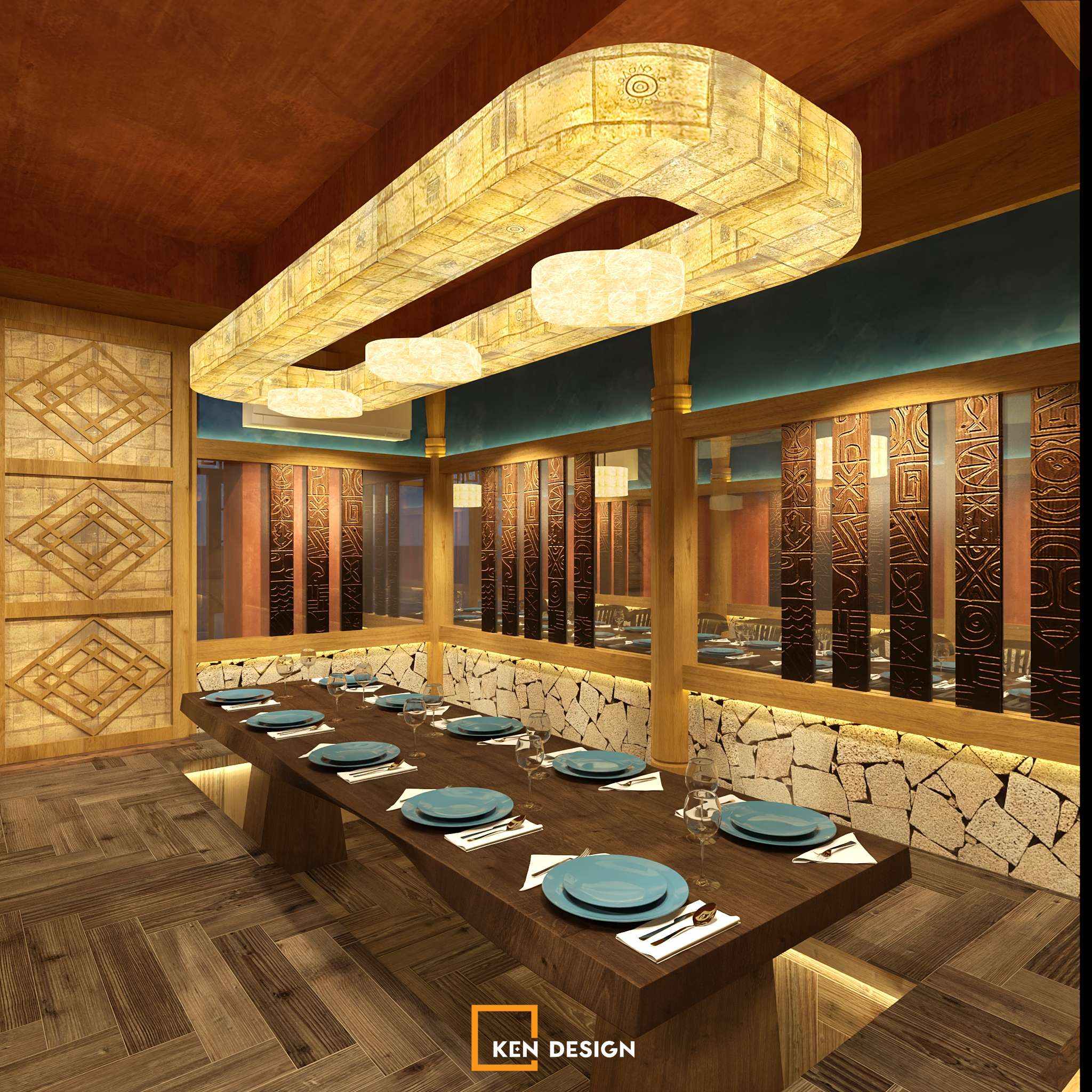
Located at 01 Alley 62 Tran Thai Tong Street, Dich Vong Hau, Cau Giay District, Hanoi, Vietnam, Pao Quán occupies an area of 150 m² and features a distinctive Northwest Vietnamese-inspired design concept.
2. Exploring the Distinctive Northwest Vietnamese Design of Pao Quán
2.1. Architecture Inspired by the Northwest Highlands
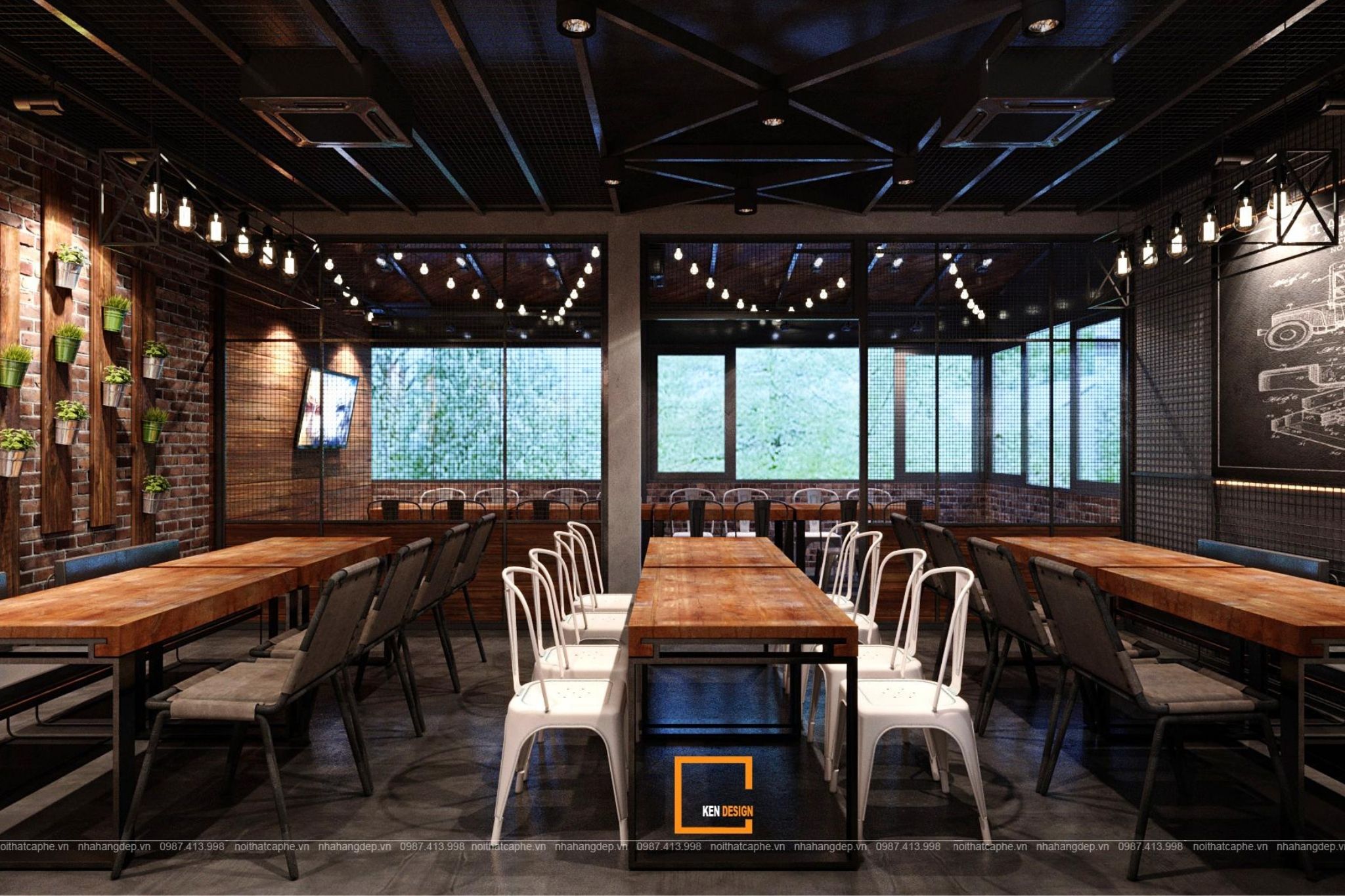
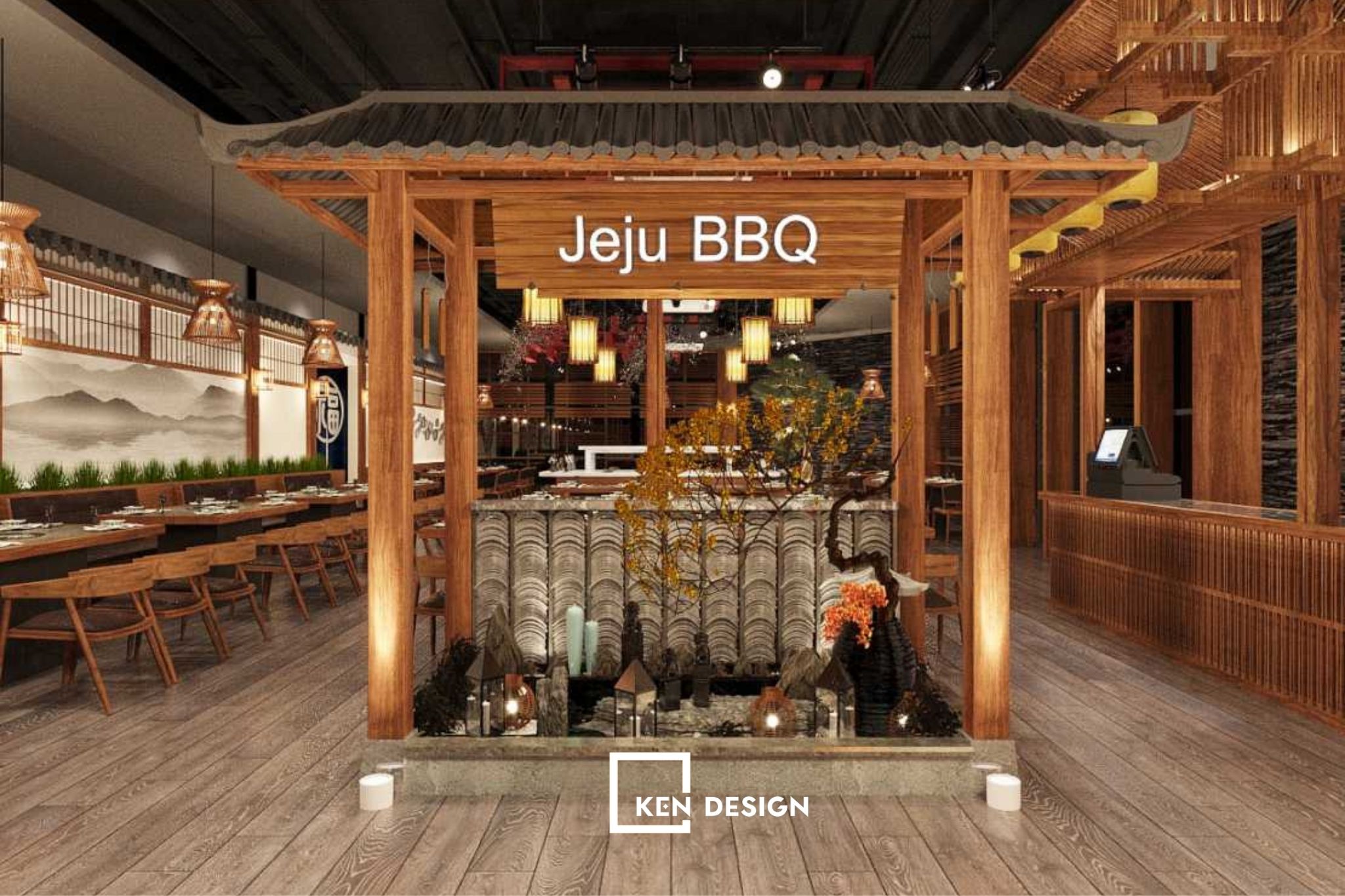
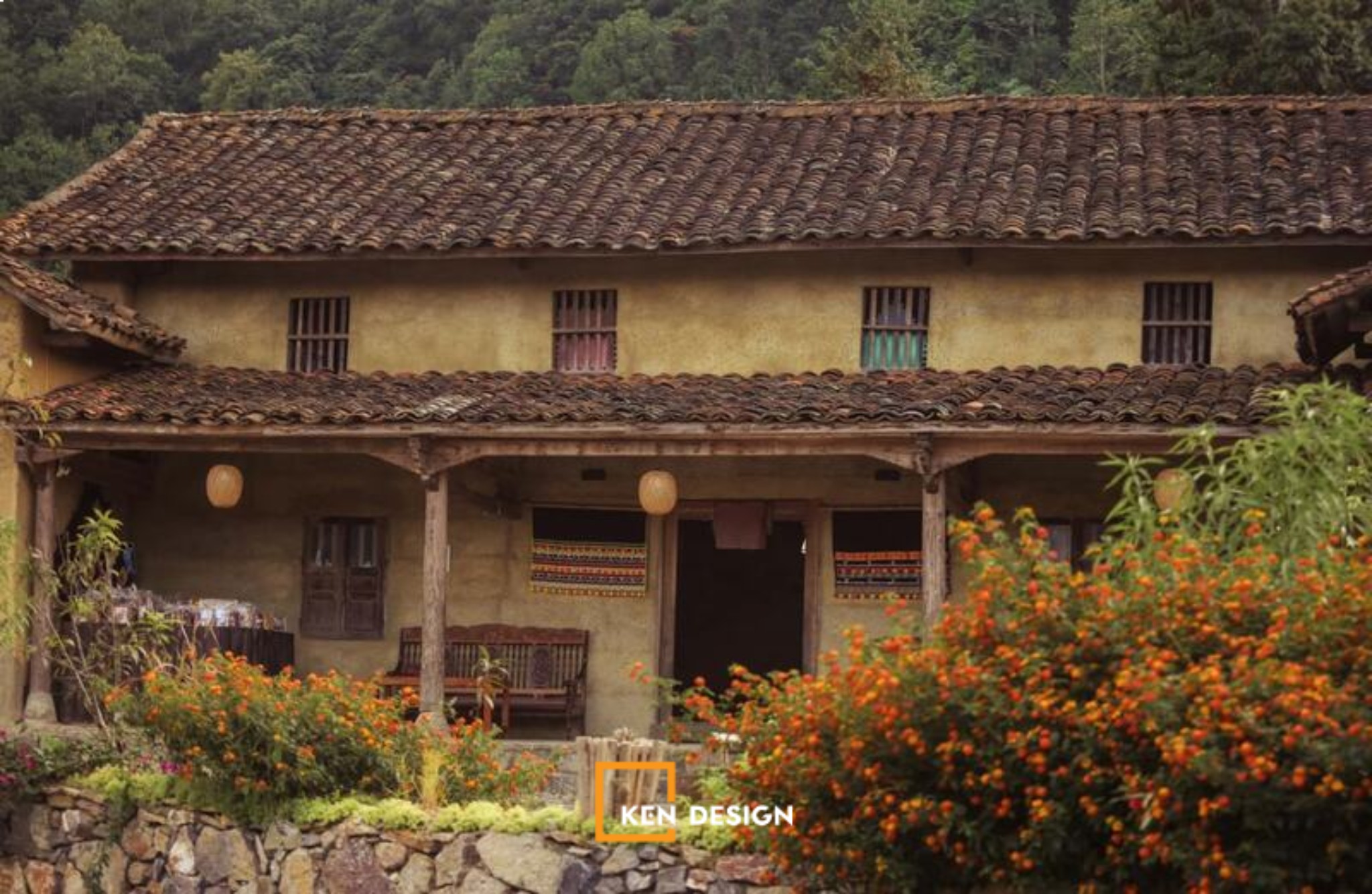
Pao Quán’s design stands out by recreating the essence of Northwest Vietnam through rustic architectural forms and elements inspired by nature. The space is designed as a “miniature Northwest Vietnam,” allowing diners to experience the atmosphere of the highlands amid the vibrant urban landscape of Hanoi.
2.2. Natural Materials Creating a Rustic Atmosphere
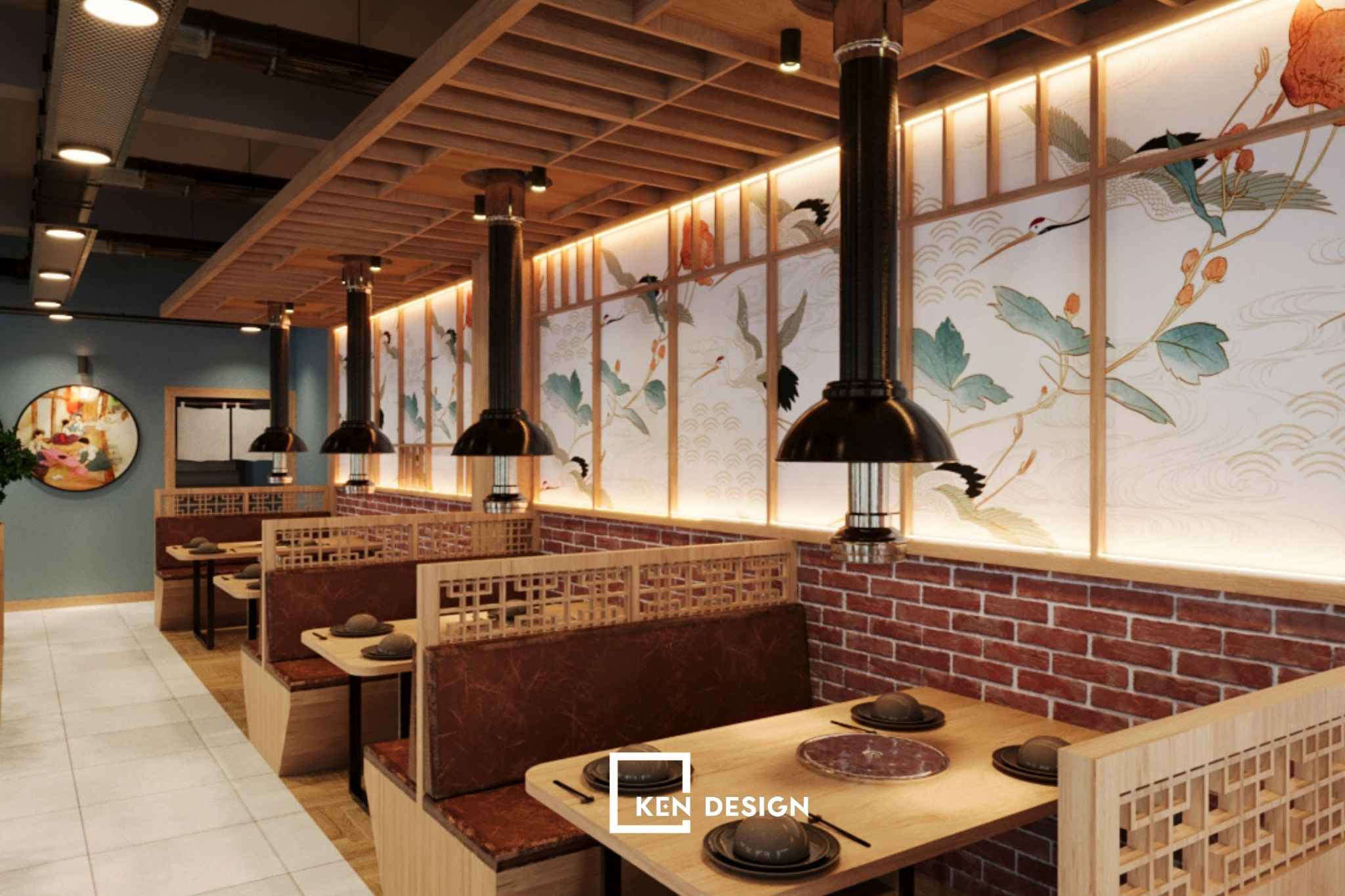
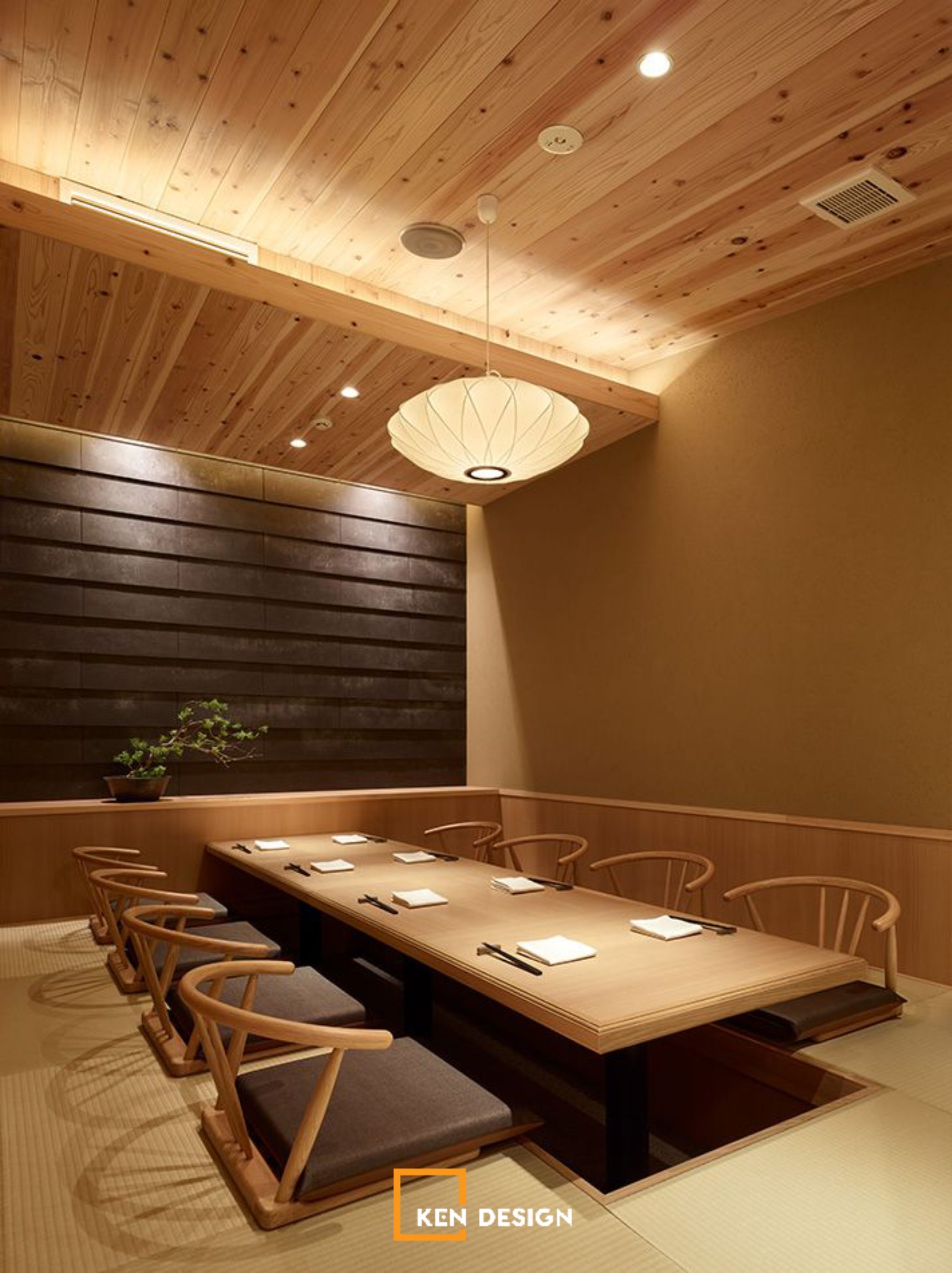
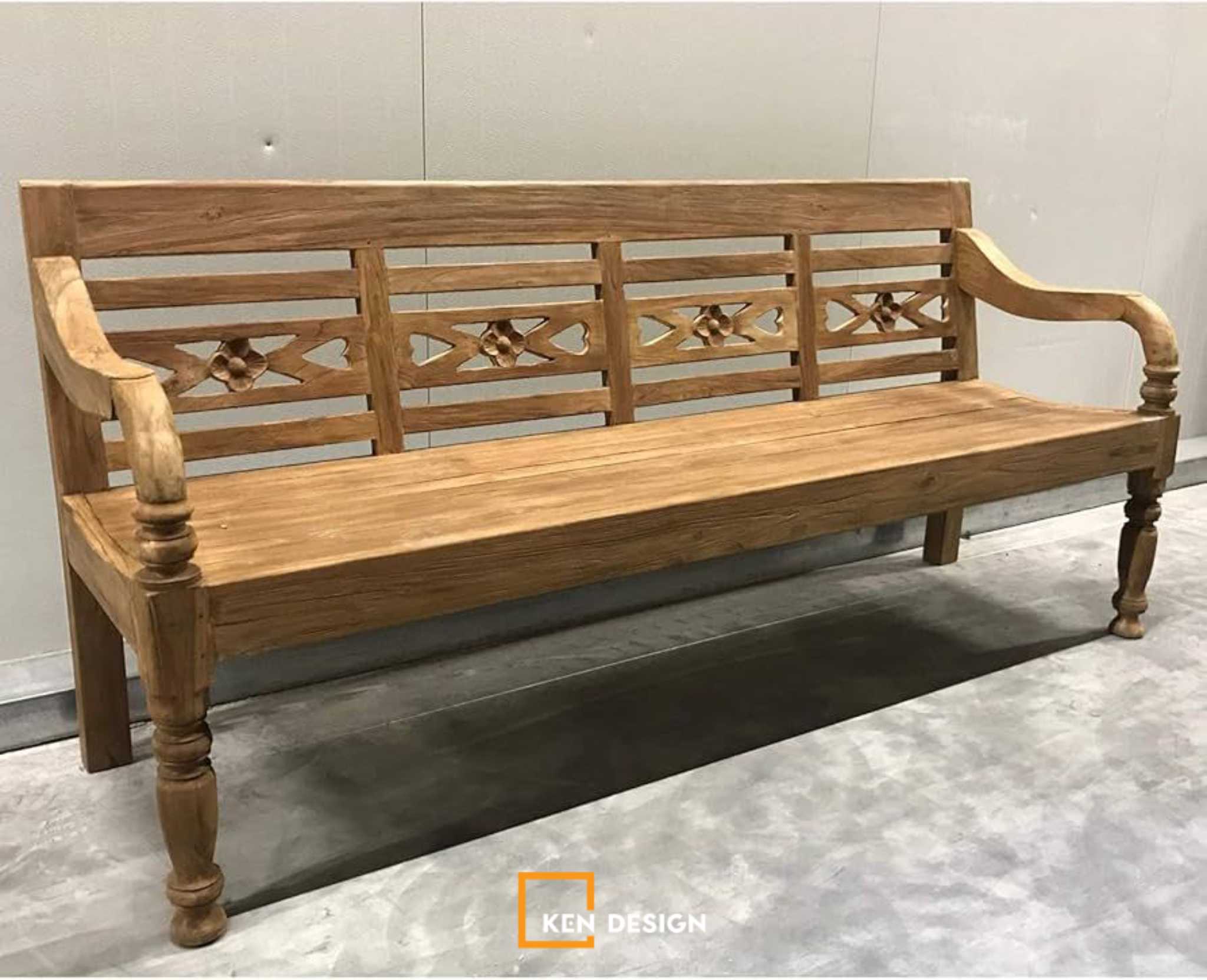
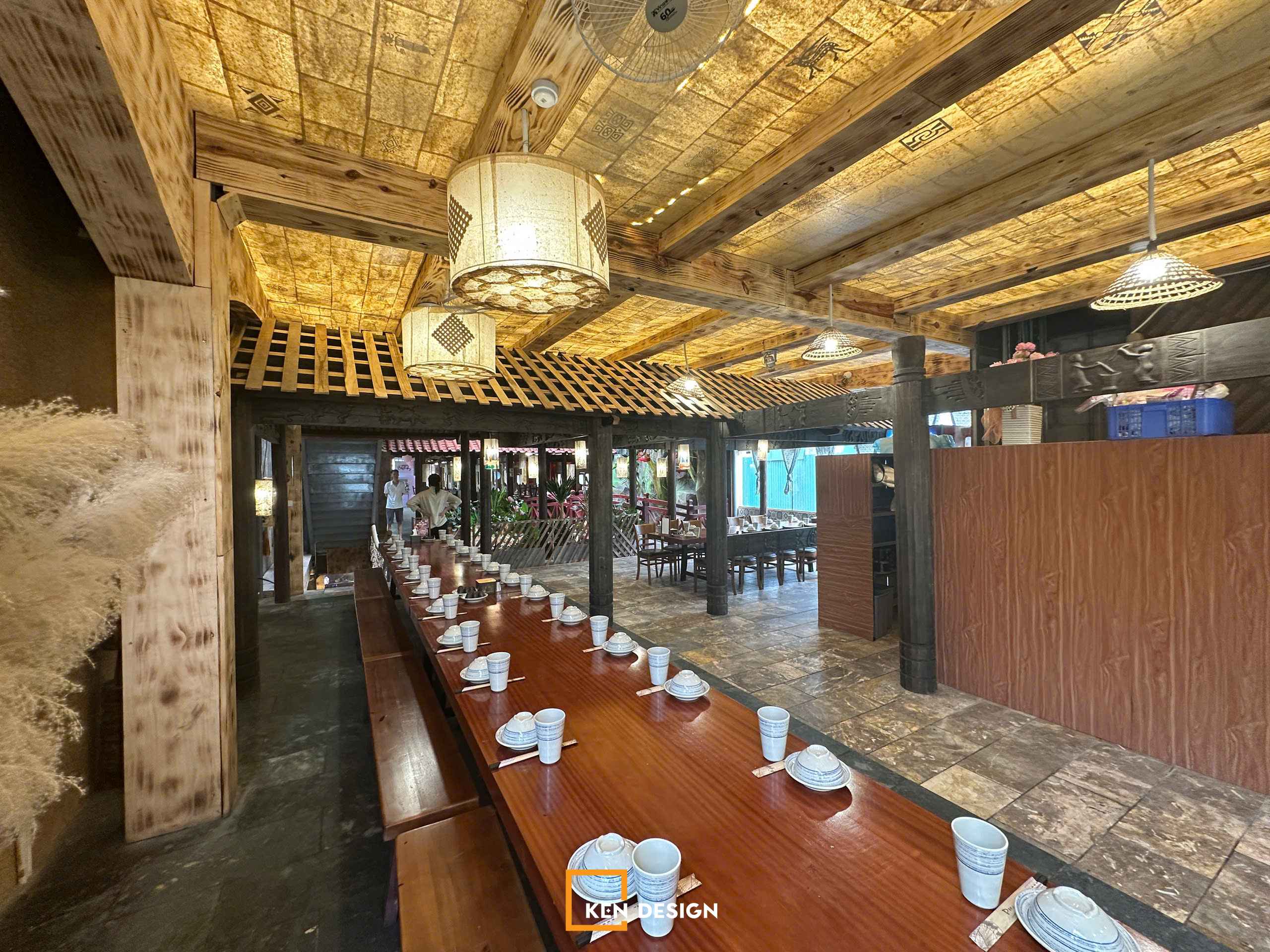
Natural-inspired materials such as wood, bamboo, rattan, and stone contribute to the restaurant’s rustic and inviting atmosphere. The use of these materials not only complements the Northwest-inspired concept but also gives the space a more authentic and approachable character.
2.3. Colors and Lighting Inspired by the Mountains and Forests
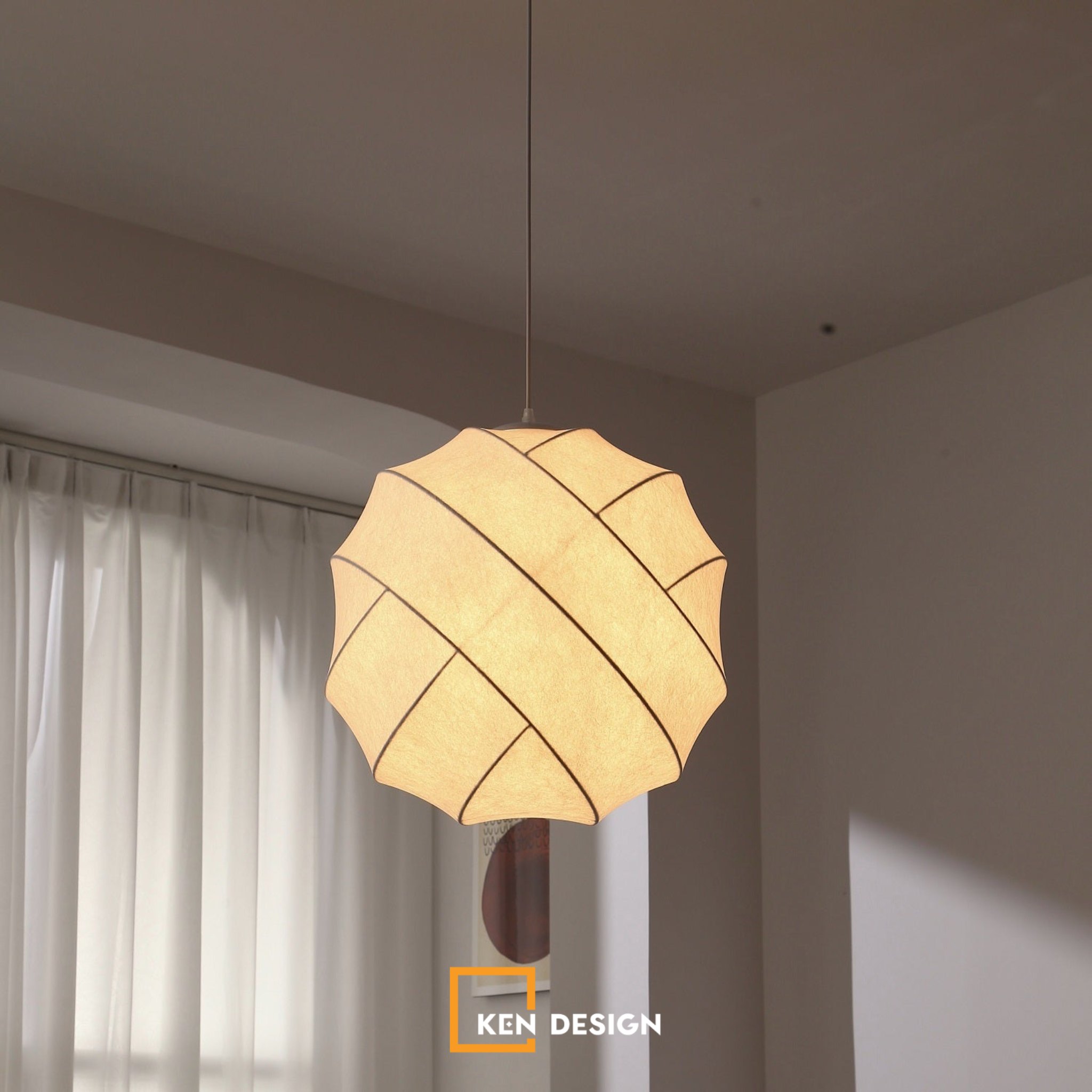
The use of warm, earthy tones evokes the distinctive colors of the mountains, forests, and highland villages. Combined with carefully arranged lighting, the overall space feels warm, atmospheric, and rich in visual depth.
2.4. Decorative Details and Ethnic Cultural Influences
Decorative details inspired by the culture of Vietnam’s highland communities are thoughtfully incorporated into the space, creating visual accents while maintaining overall harmony. These elements also help communicate Pao Quán’s brand story in a direct and memorable way.
3. Spatial Planning and the Dining Experience
3.1. Functional and Well-Organized Space Planning
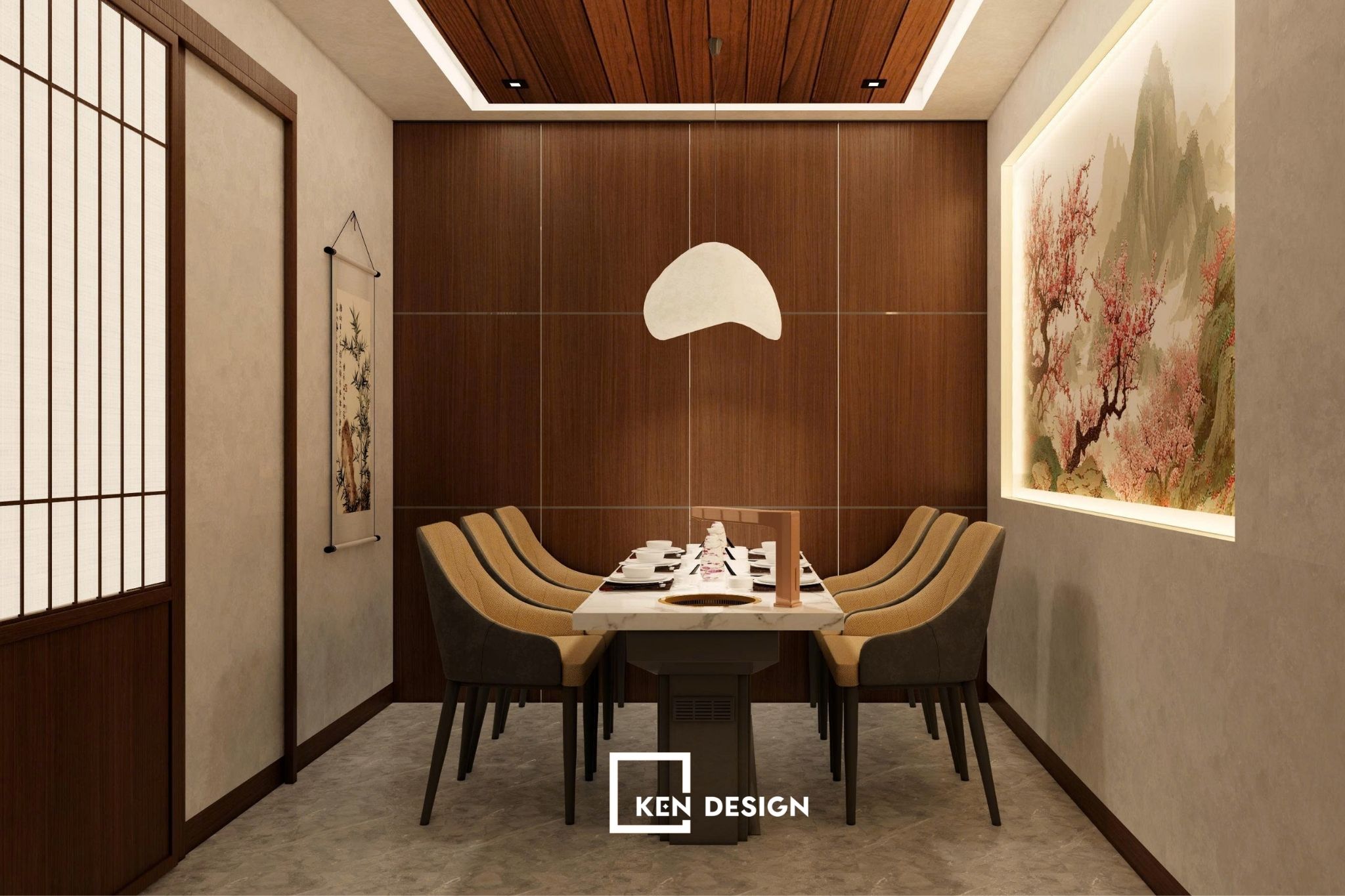
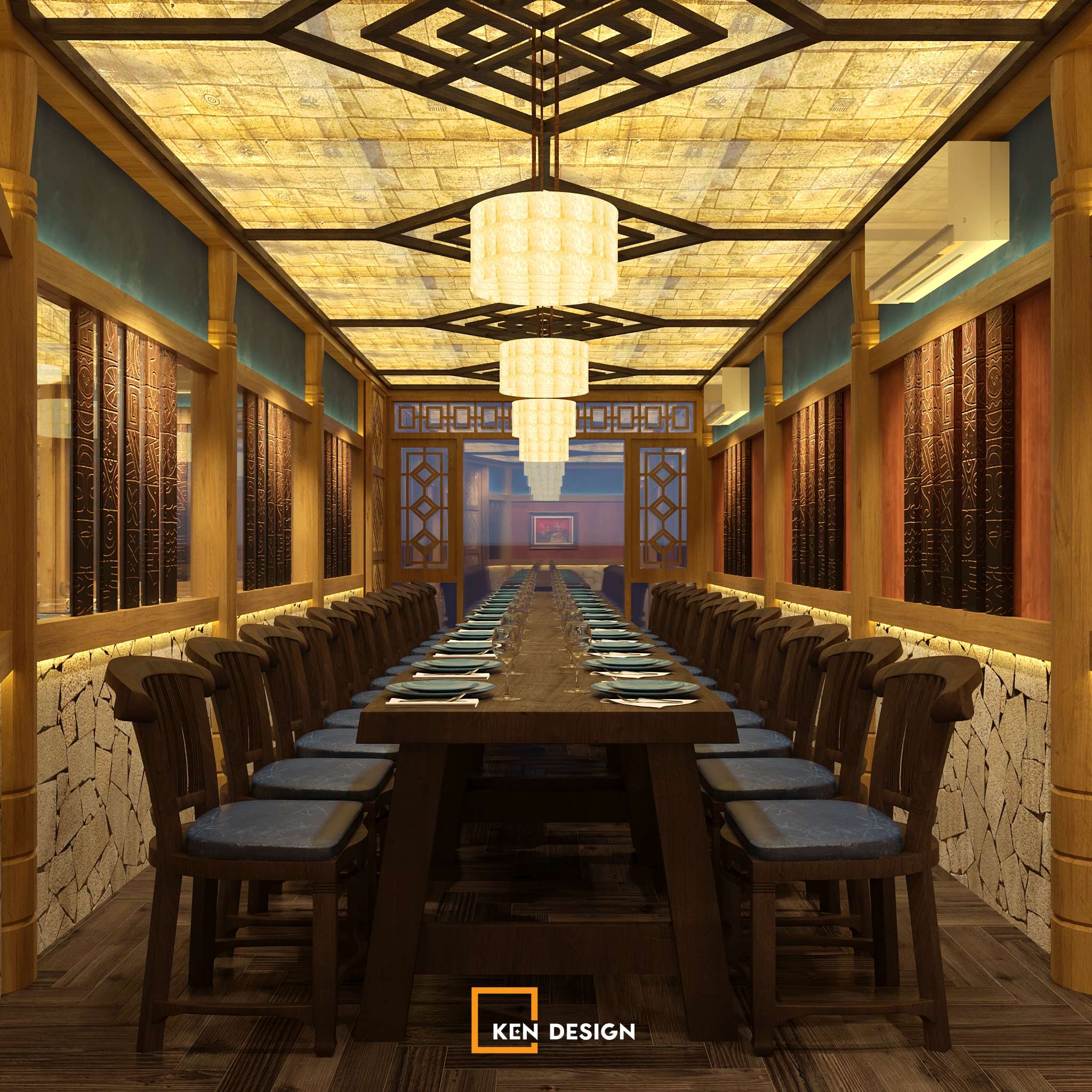
Beyond aesthetics, Pao Quán’s design focuses on convenience throughout restaurant operations and customer service. Different areas are thoughtfully organized to create a smooth connection between communal spaces, dining areas, and more private seating areas.
3.2. Connecting the Space with the Dining Experience
At Pao Quán, the restaurant design is not an independent element but an integral part of the dining experience. From materials and colors to decorative details, every element contributes to bringing diners closer to the culture and atmosphere of Northwest Vietnam.
4. What Makes Pao Quán’s Design Stand Out?
4.1. Differentiating the Brand Through Design
In an increasingly competitive F&B market, a clearly defined spatial concept can become an important factor in establishing a distinctive brand identity. Pao Quán uses Northwest Vietnamese culture as its design language, creating a recognizable and differentiated brand image.
4.2. Creating Emotional Connections and Enhancing Customer Experience
A thoughtfully designed space does more than meet customers’ dining needs; it gives them a reason to explore, remember, and share their experience. At Pao Quán, Northwest-inspired details transform a simple meal into a cultural journey in the heart of the city.
4.3. Inspiration for Regionally Inspired Restaurant Concepts
Pao Quán demonstrates how local culture can serve as the foundation for developing a contemporary restaurant concept. When the brand story, physical space, and customer experience are seamlessly connected, cultural identity not only creates aesthetic value but can also become a competitive advantage for an F&B business.
5. Kendesign – Professional Restaurant Design and Build Company
Creating a restaurant with a distinctive identity requires a combination of aesthetic thinking, functionality, and brand storytelling. With experience in F&B design and construction, Kendesign focuses on developing solutions that align with each brand’s positioning while creating a distinctive experience for customers.