1. Determine Your Total Investment Budget
Before allocating funds, restaurant owners should establish their available capital and set a spending limit for the project. This helps determine an appropriate restaurant size, location, and design concept based on financial capacity.

Several factors should be considered:
-
Restaurant size: The floor area, seating capacity, and expected number of customers.
-
Business location: Rental costs, property conditions, and initial renovation expenses.
-
Business model: Whether the restaurant focuses on casual dining, family dining, or a regional specialty dining experience.
-
Design direction: The level of investment in architecture, interiors, materials, and decorative elements inspired by Northwest Vietnamese culture.
Based on these factors, owners can develop a realistic financial plan instead of choosing a restaurant concept that exceeds their investment capacity.
2. Allocate the Budget Across Key Investment Categories
Once the total budget has been established, it should be divided into specific cost categories. Setting an estimated spending limit for each category makes it easier to monitor expenses throughout the project.
2.1. Location and Rental Costs
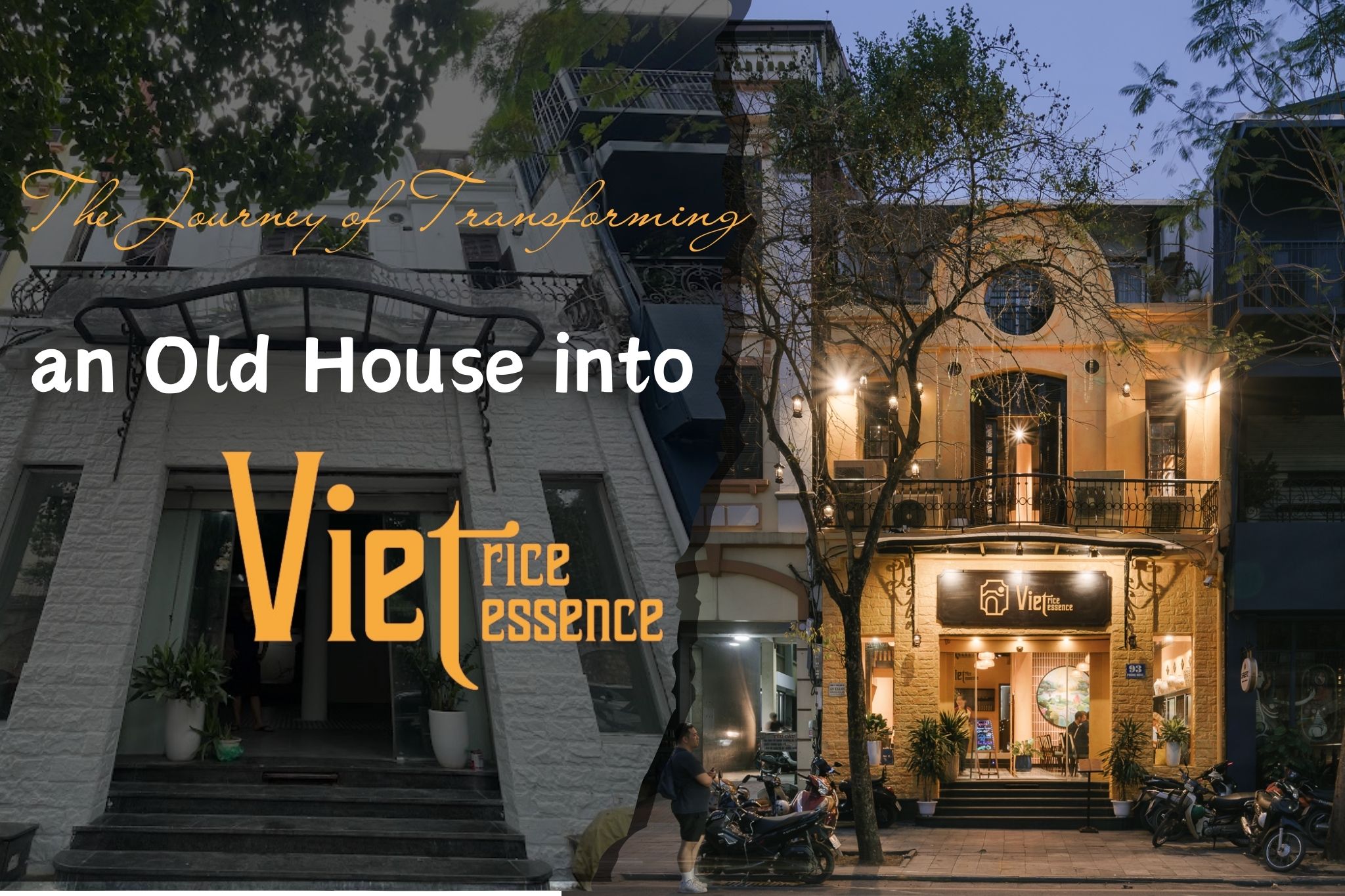
Choosing a suitable location is one of the first financial decisions when opening a restaurant. In addition to rent and security deposits, owners should account for renovation, repairs, and initial property improvements.
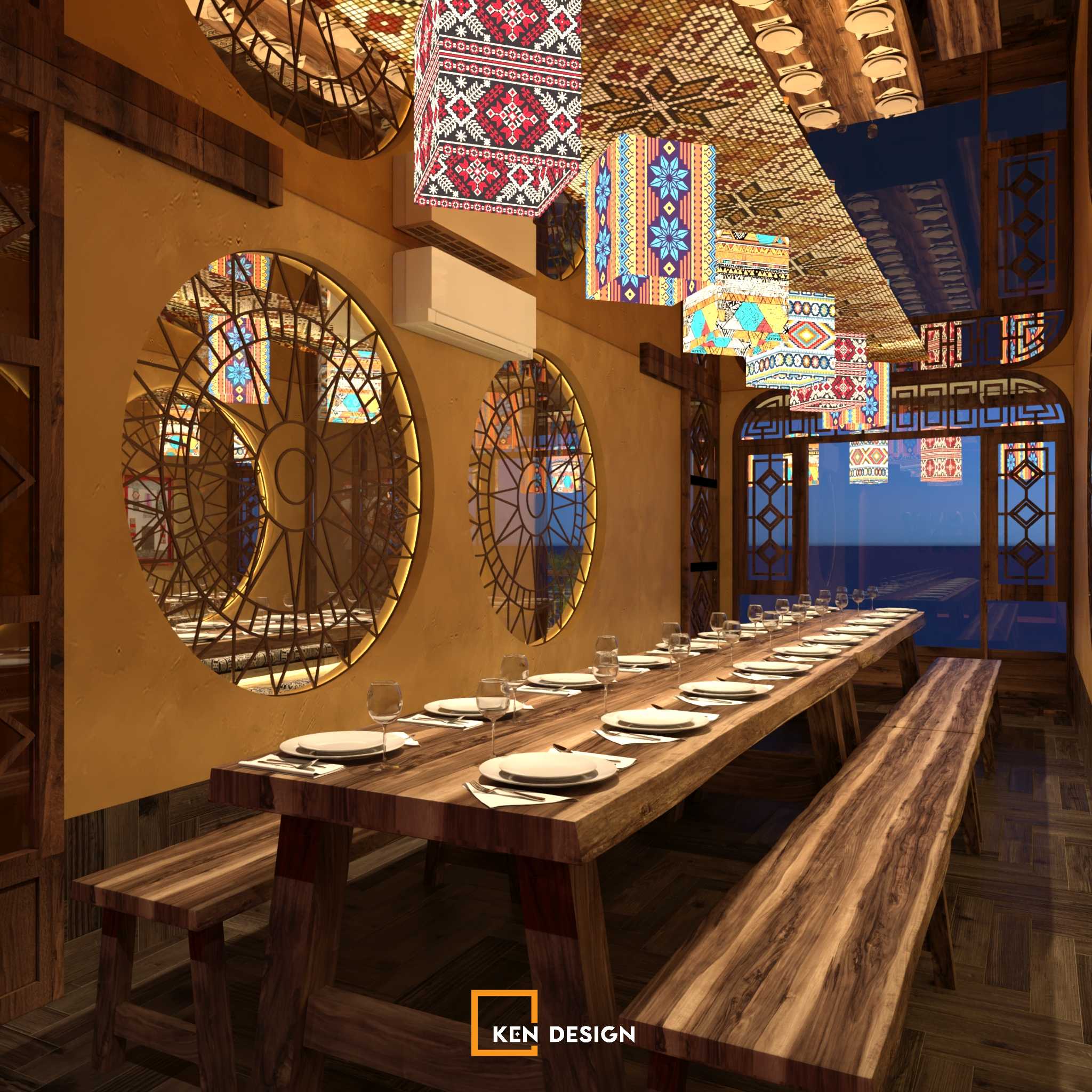
Priority should be given to premises with a suitable layout and structure for restaurant operations. Choosing the right location from the beginning can help reduce unnecessary renovation costs and future adjustments.
2.2. Design and Construction Costs
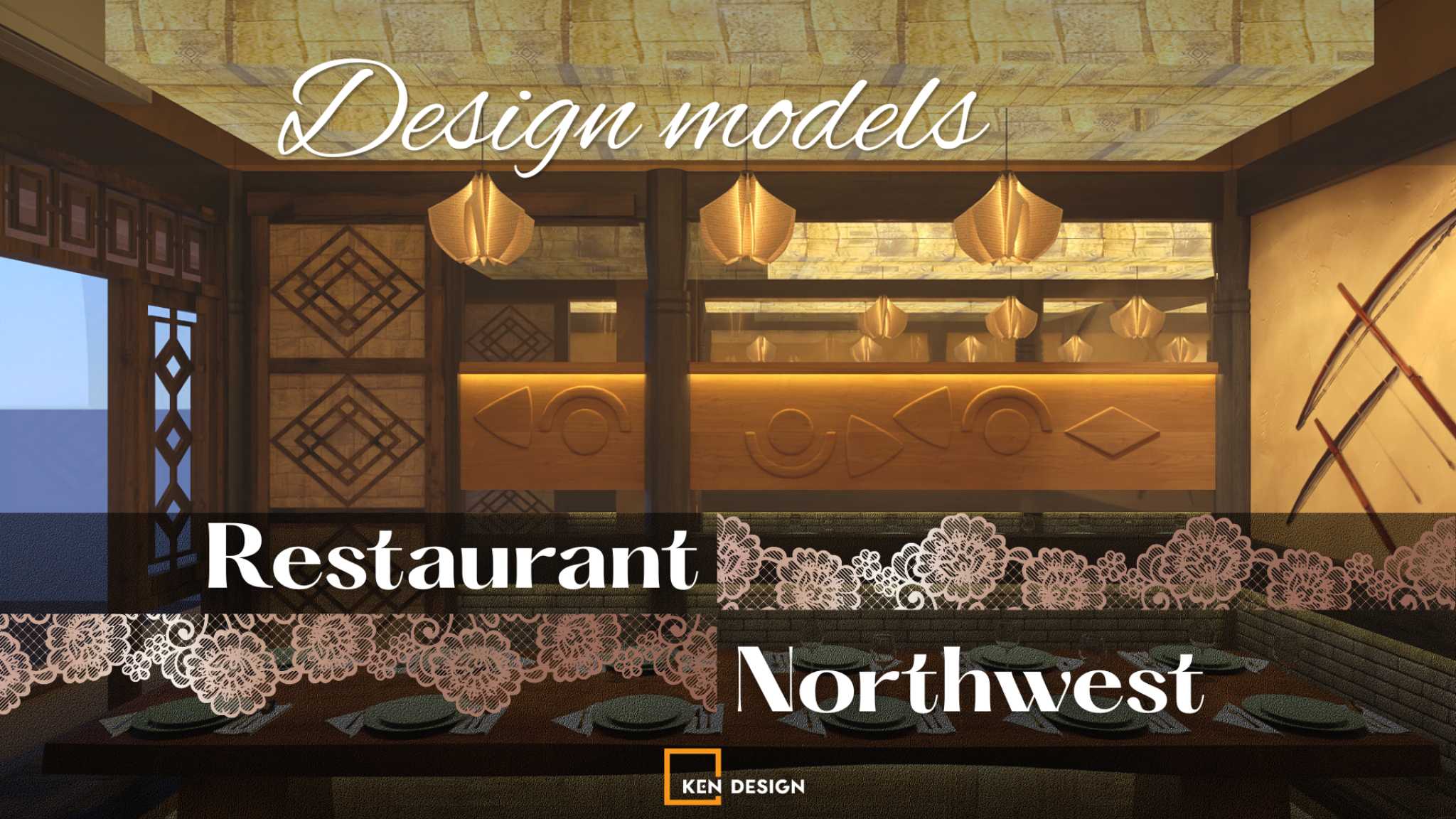
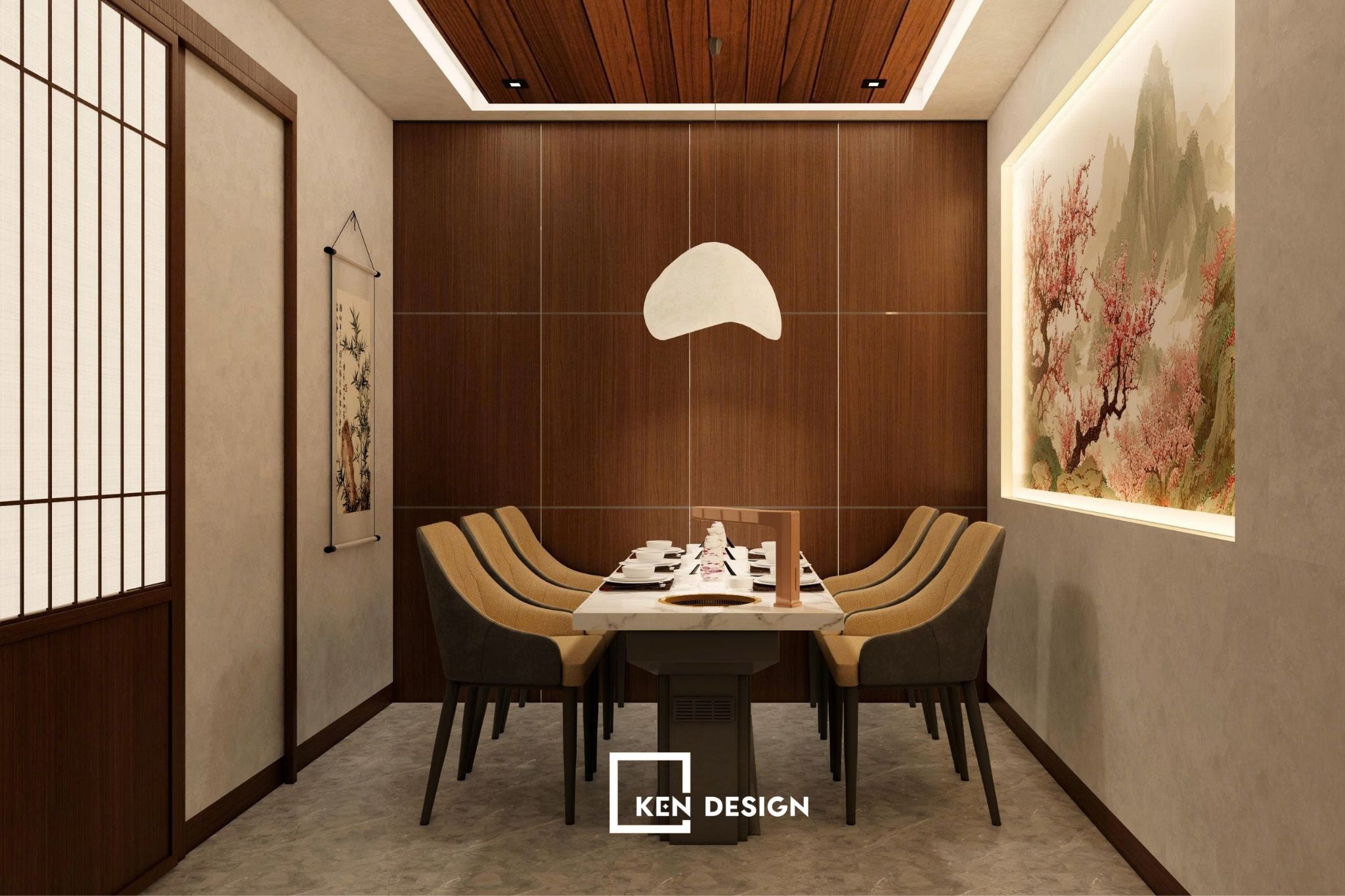
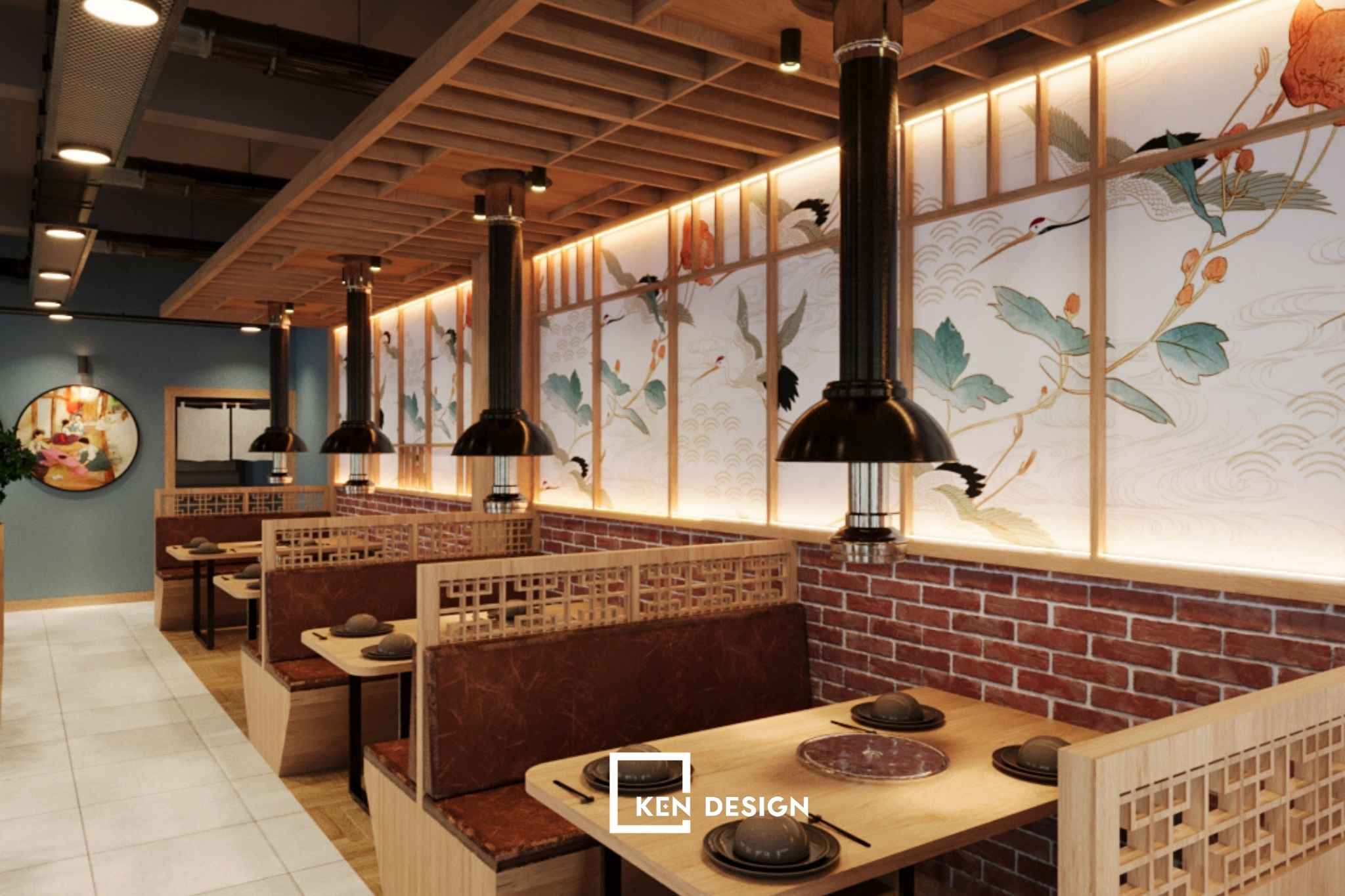
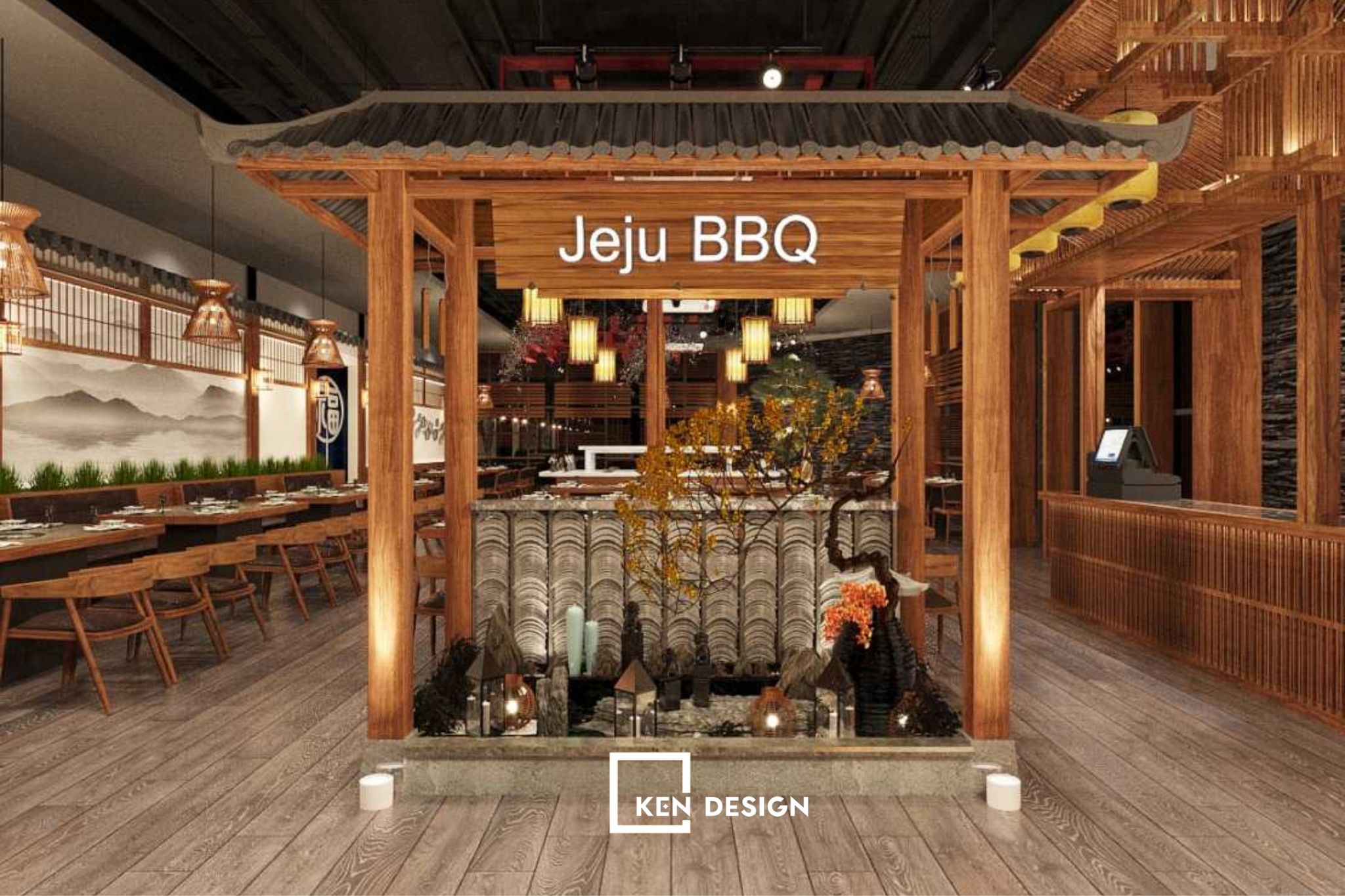
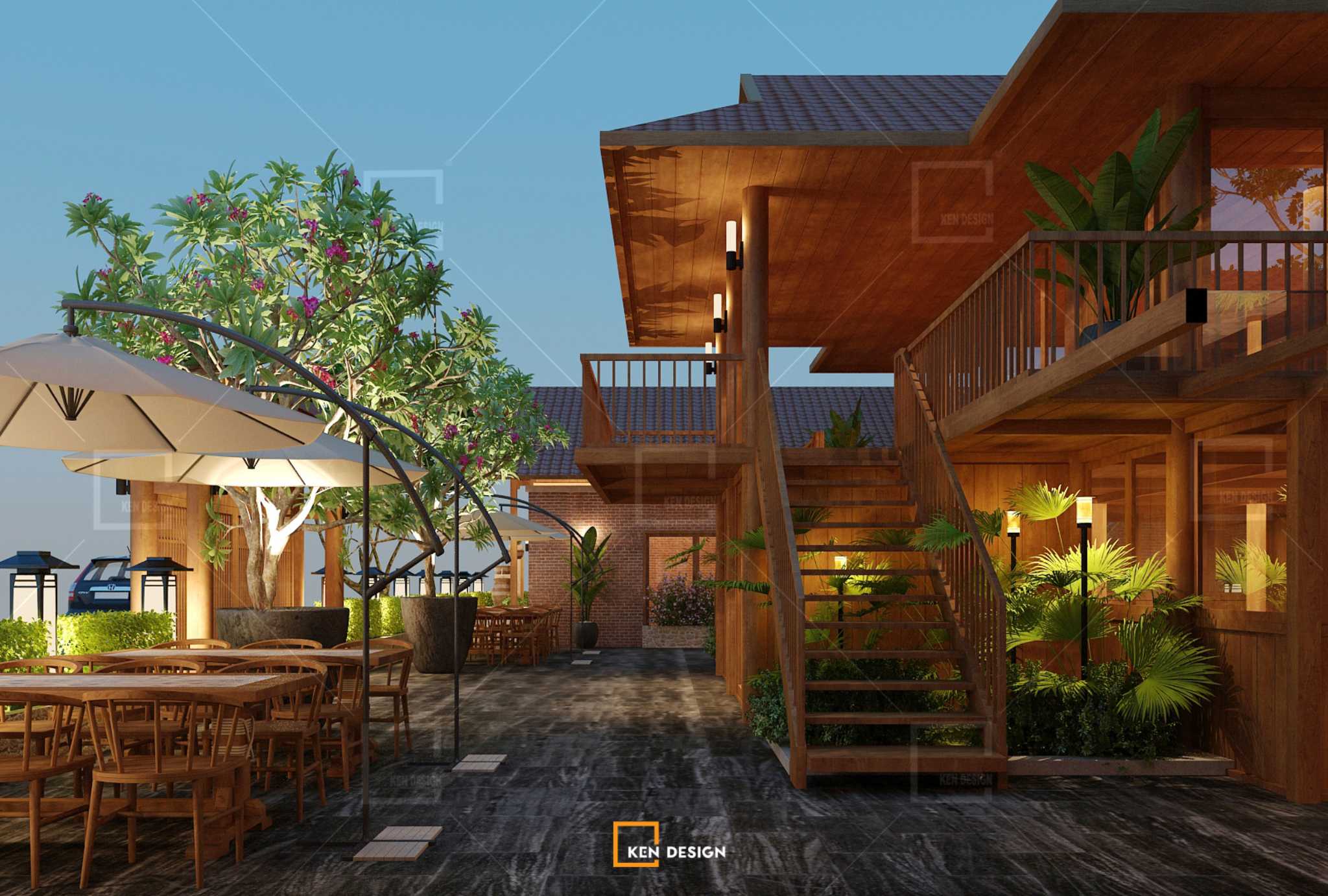
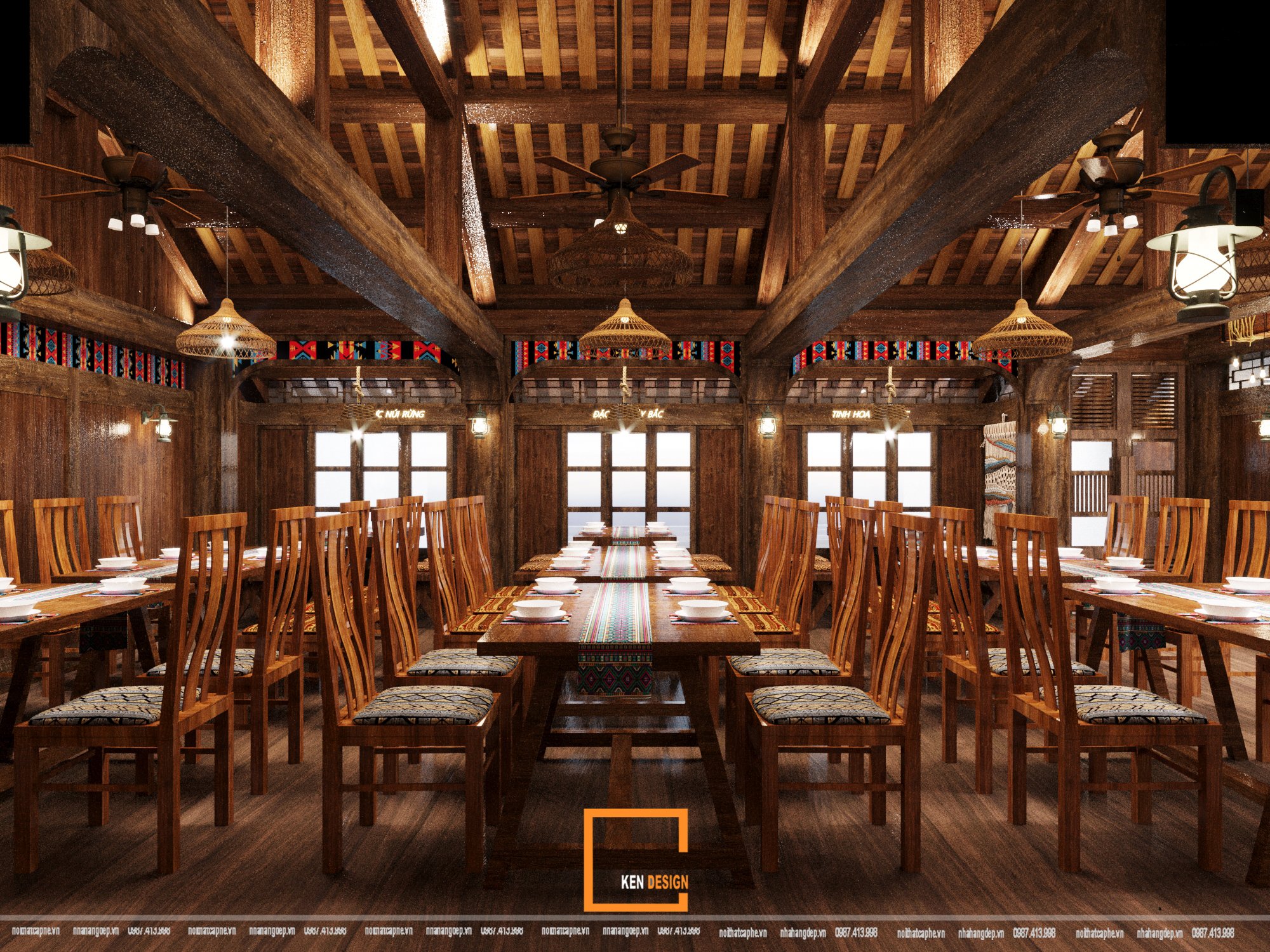
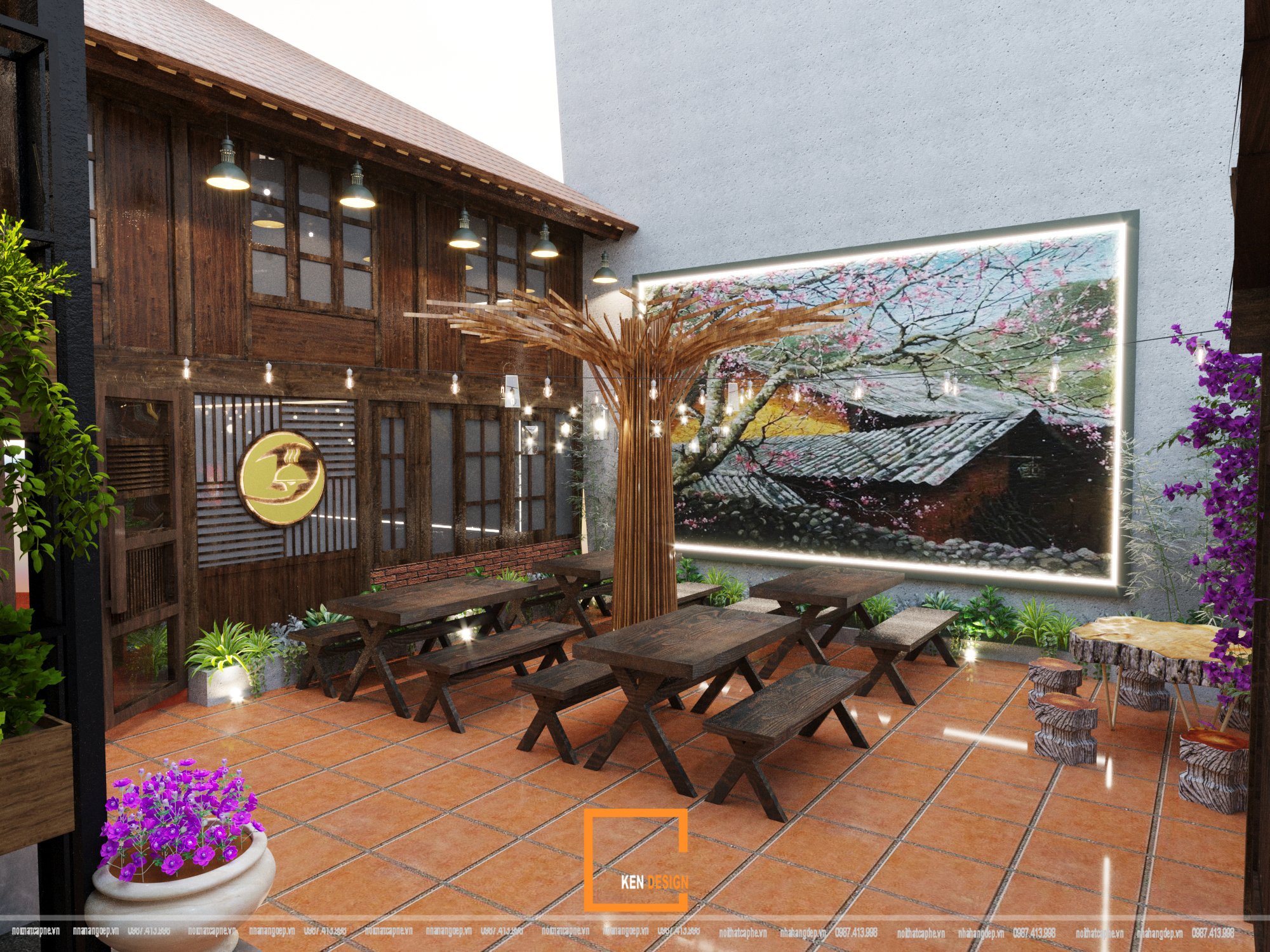
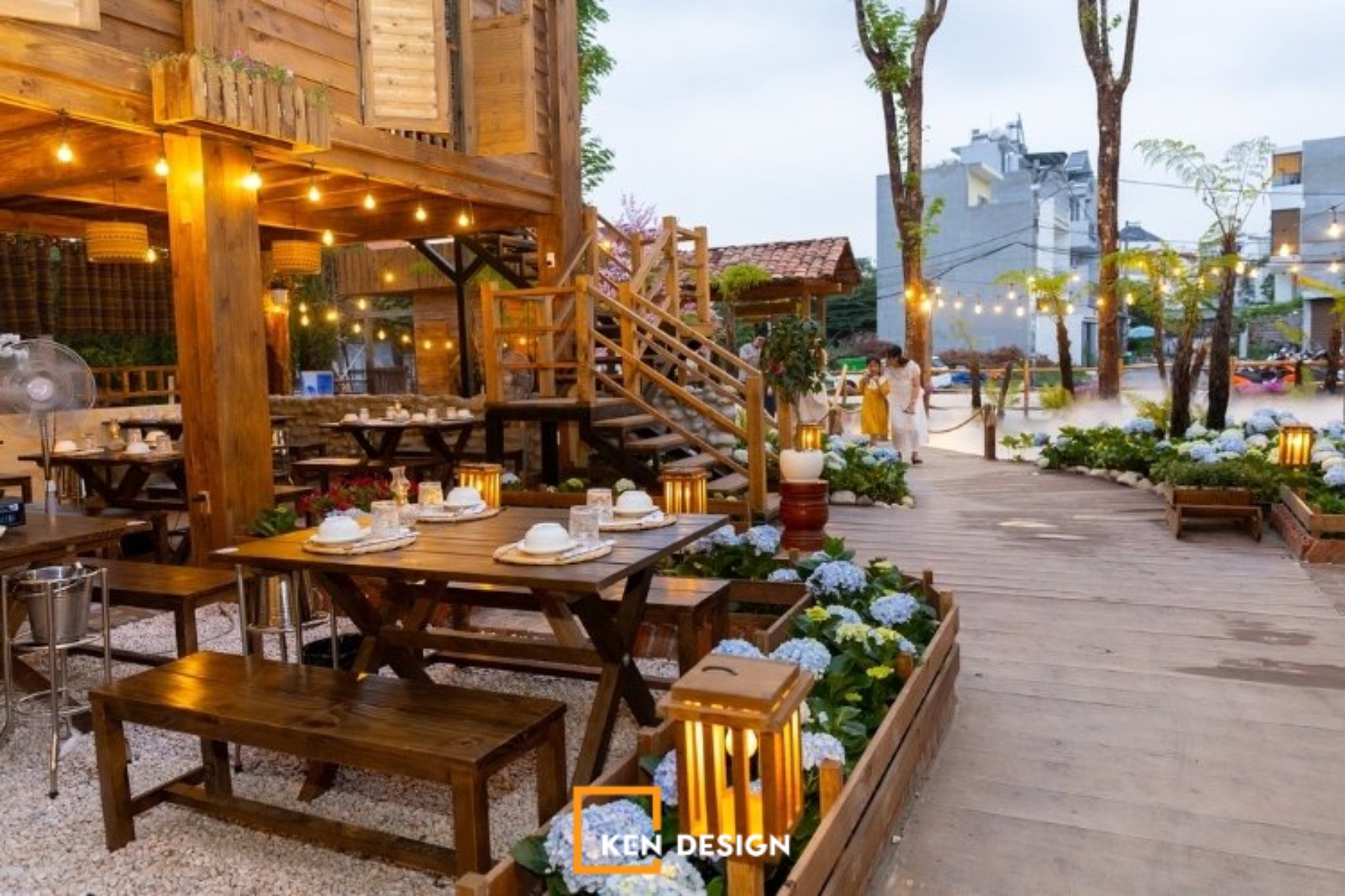
For a Northwest Vietnamese restaurant, the interior should do more than look attractive. It should also communicate the cultural identity of the region.
The design and construction budget should therefore reflect the desired architectural style, materials, furniture, and finishing standards.
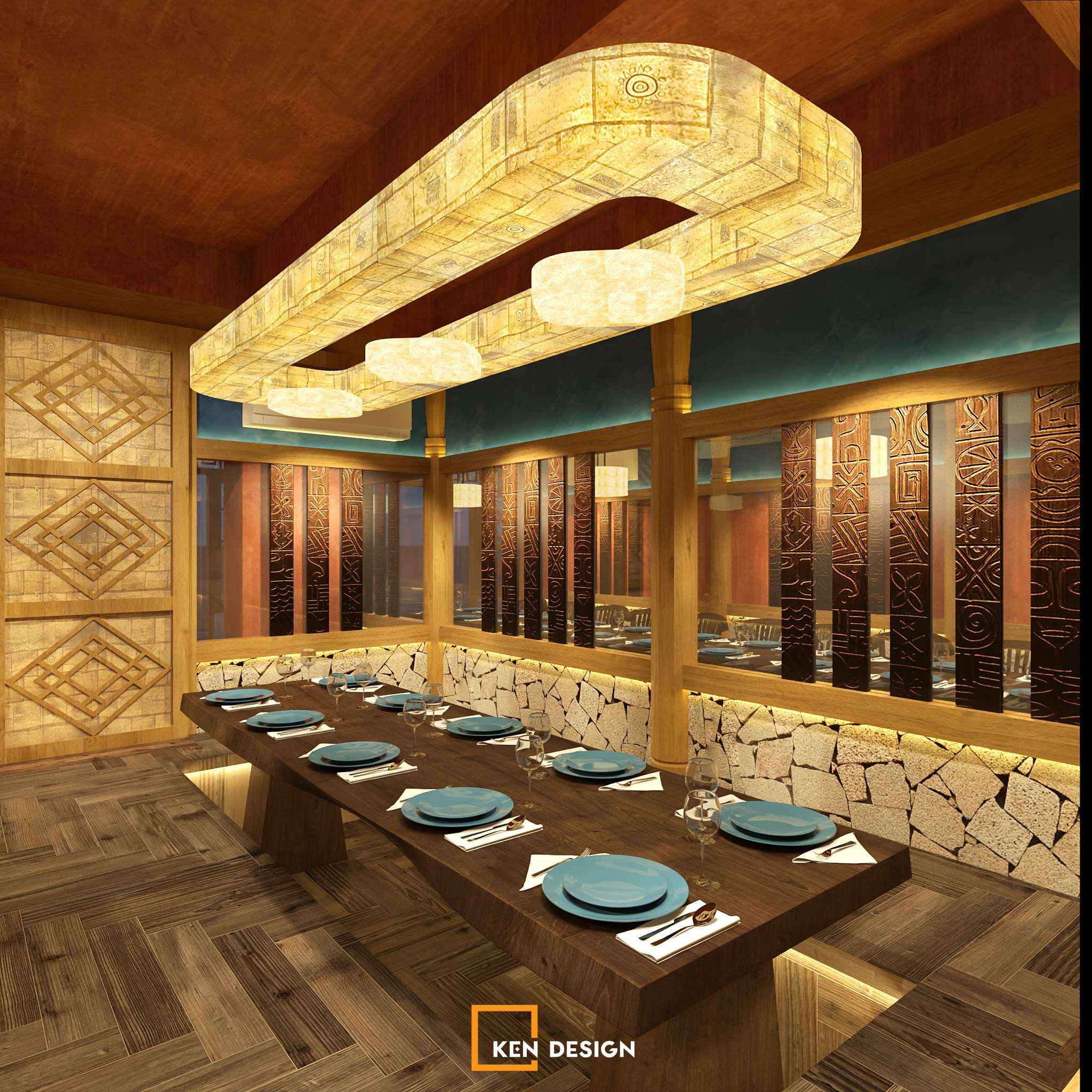
Key expenses may include:
-
Architectural and interior design services.
-
Structural work, finishing, and technical systems.
-
Decorative materials such as wood, stone, bamboo, and rattan.
-
Lighting systems and distinctive interior features.
Restaurant owners do not need to use expensive materials throughout the entire space. Instead, investment should be prioritized in areas that directly influence customer experience and brand identity.
2.3. Furniture and Equipment Costs
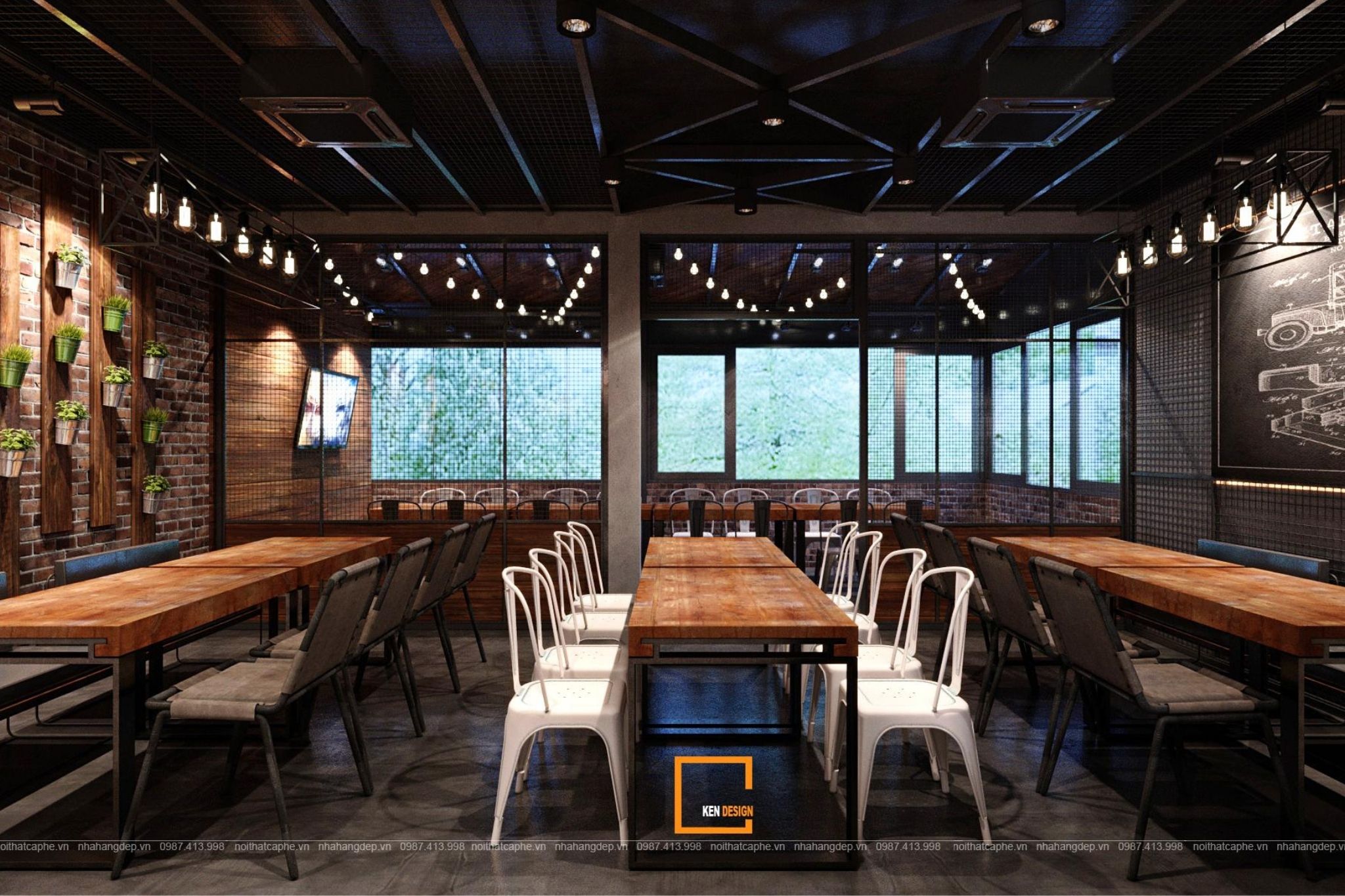
Tables, chairs, service counters, lighting, air conditioning, and other essential equipment should all be included in the financial plan.
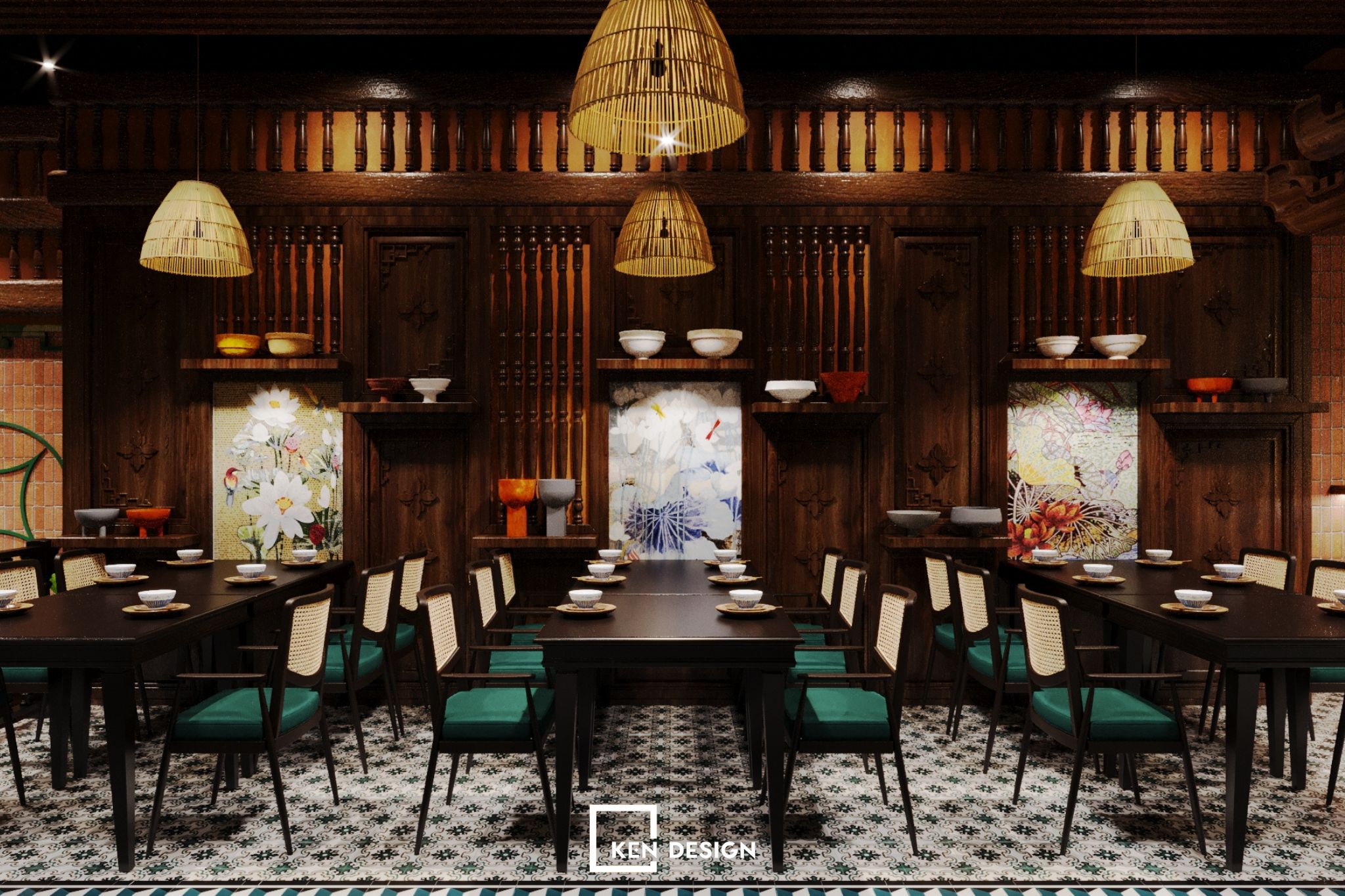
For a Northwest Vietnamese restaurant, furniture and decorative elements should be consistent with the overall design concept. Wooden furniture, handcrafted accessories, and traditional textile patterns can help create a distinctive atmosphere.
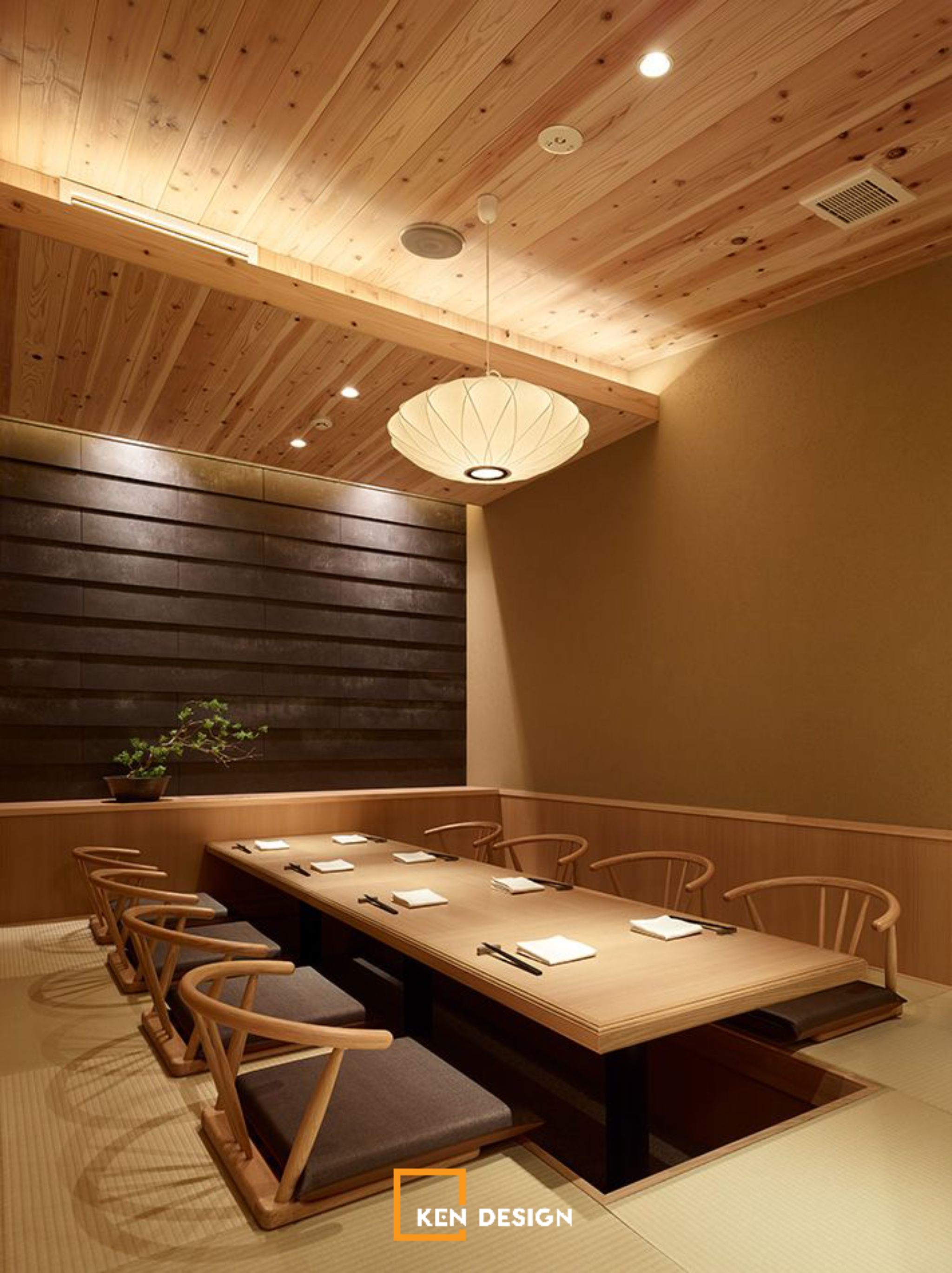
However, aesthetic appeal should be balanced with durability and functionality. Spending too much on decoration while neglecting essential operating equipment can create difficulties once the restaurant opens.
2.4. Kitchen Equipment and Initial Supplies
The kitchen directly affects food quality and service efficiency. Before purchasing equipment, owners should determine the planned menu, expected customer volume, and food preparation process.
The budget should cover essential equipment such as cooking appliances, ventilation systems, refrigerators, food preparation tables, and kitchen utensils.
In addition, owners should prepare initial funds for ingredients, seasonings, and consumable supplies. For a restaurant specializing in Northwest Vietnamese cuisine, establishing reliable ingredient suppliers is also an important consideration.
2.5. Staffing, Marketing, and Operating Expenses
Beyond the initial investment, a restaurant needs sufficient funding to maintain operations during its early stages.
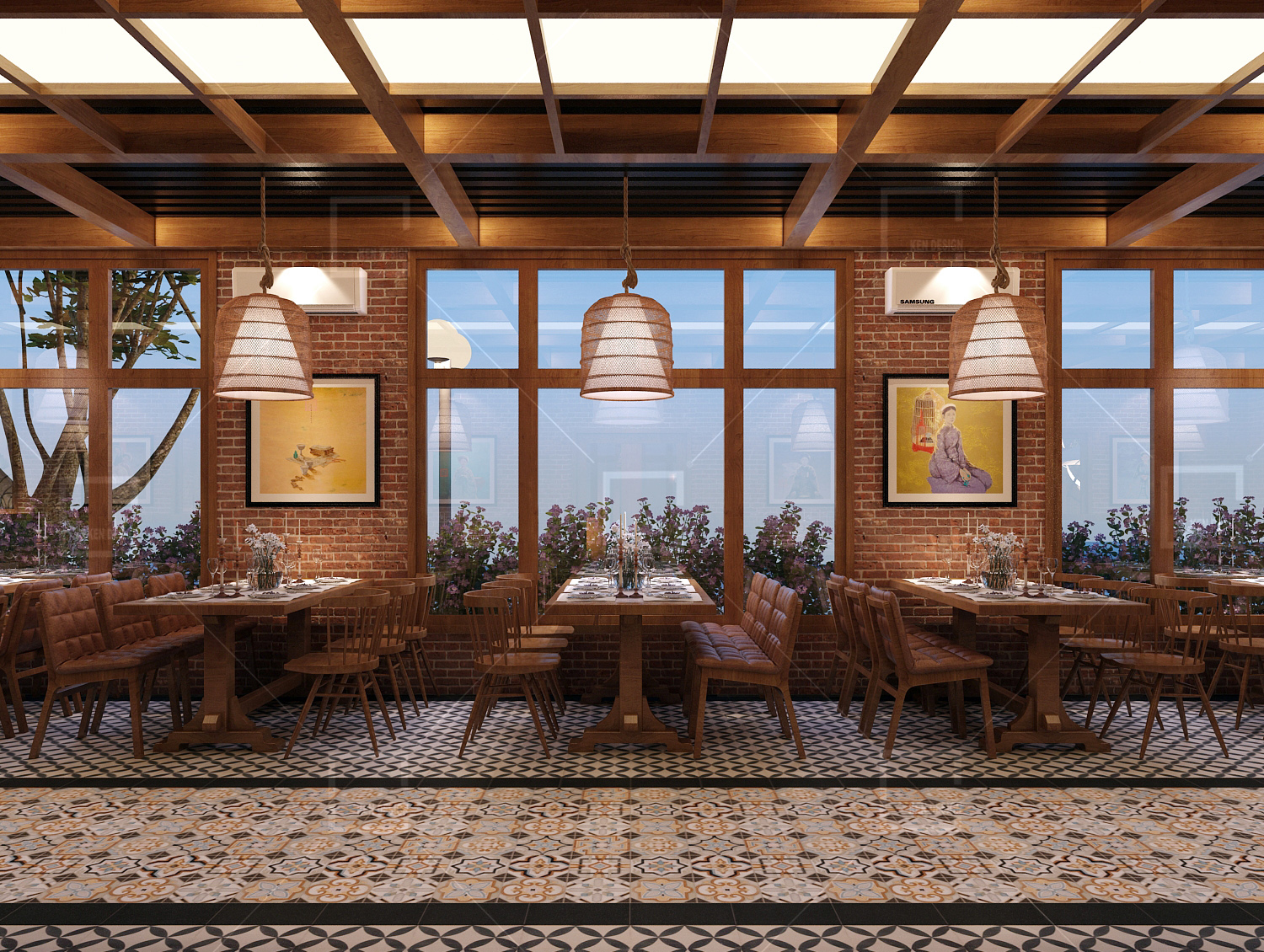
Important expenses include:
-
Recruitment and staff training.
-
Employee salaries and related personnel costs.
-
Advertising, marketing, and opening campaigns.
-
Utilities, internet, cleaning, and other operating expenses.
These costs are sometimes overlooked when owners focus too heavily on completing the interior. However, insufficient operating capital can create financial pressure even after the restaurant has been fully constructed.
3. Set Aside a Contingency Budget
During the restaurant opening process, actual expenses may differ from initial estimates due to property conditions, changes in material prices, or design adjustments.
For this reason, owners should set aside a separate contingency budget rather than committing all available capital to planned expenses.
The amount should depend on the restaurant's size, construction complexity, and potential project risks. It is also important to clearly agree on the scope of work, materials, and construction specifications with the contractor to minimize unnecessary additional costs.
4. Common Budget Allocation Mistakes to Avoid
Poor financial planning can create significant challenges when opening a restaurant. Here are some common mistakes that business owners should avoid:
Spending too much on design and decoration: An attractive interior is valuable, but it should not come at the expense of essential kitchen equipment, staffing, or operating capital.
Failing to prioritize expenses: Costs directly related to functionality and daily operations should take priority over non-essential decorative features.
Considering only initial investment costs: A restaurant needs time to build its customer base and establish stable revenue. Owners should therefore account for operating expenses after opening.
Failing to monitor construction costs: Material changes, design modifications, and additional work during construction can cause the budget to exceed initial estimates.
5. Kendesign – Supporting Your Northwest Vietnamese Restaurant Design Project
Effective budget allocation is essential for controlling investment costs and avoiding unnecessary expenses when opening a Northwest Vietnamese restaurant. In particular, design and construction should be planned in line with the business model, available space, and brand direction.
Kendesign provides restaurant design and construction solutions, helping business owners develop interior plans that suit their premises, functional requirements, and investment goals. Defining project requirements clearly during the design stage can also help minimize unnecessary changes during construction.
If you are planning to open a Northwest Vietnamese restaurant, contact Kendesign for advice on a suitable design and construction solution. A well-planned space can help you make better use of your investment while creating a distinctive restaurant experience.