1. Why Is Material Selection Important in Northwest Vietnam Restaurant Design?
1.1. Reflecting the Cultural Identity of Northwest Vietnam
Northwest Vietnam-inspired restaurants often draw inspiration from traditional stilt houses, mountainous landscapes, and the daily lives of ethnic communities in the region. As a result, natural materials such as wood, bamboo, stone, and brocade fabrics are commonly incorporated into the design.
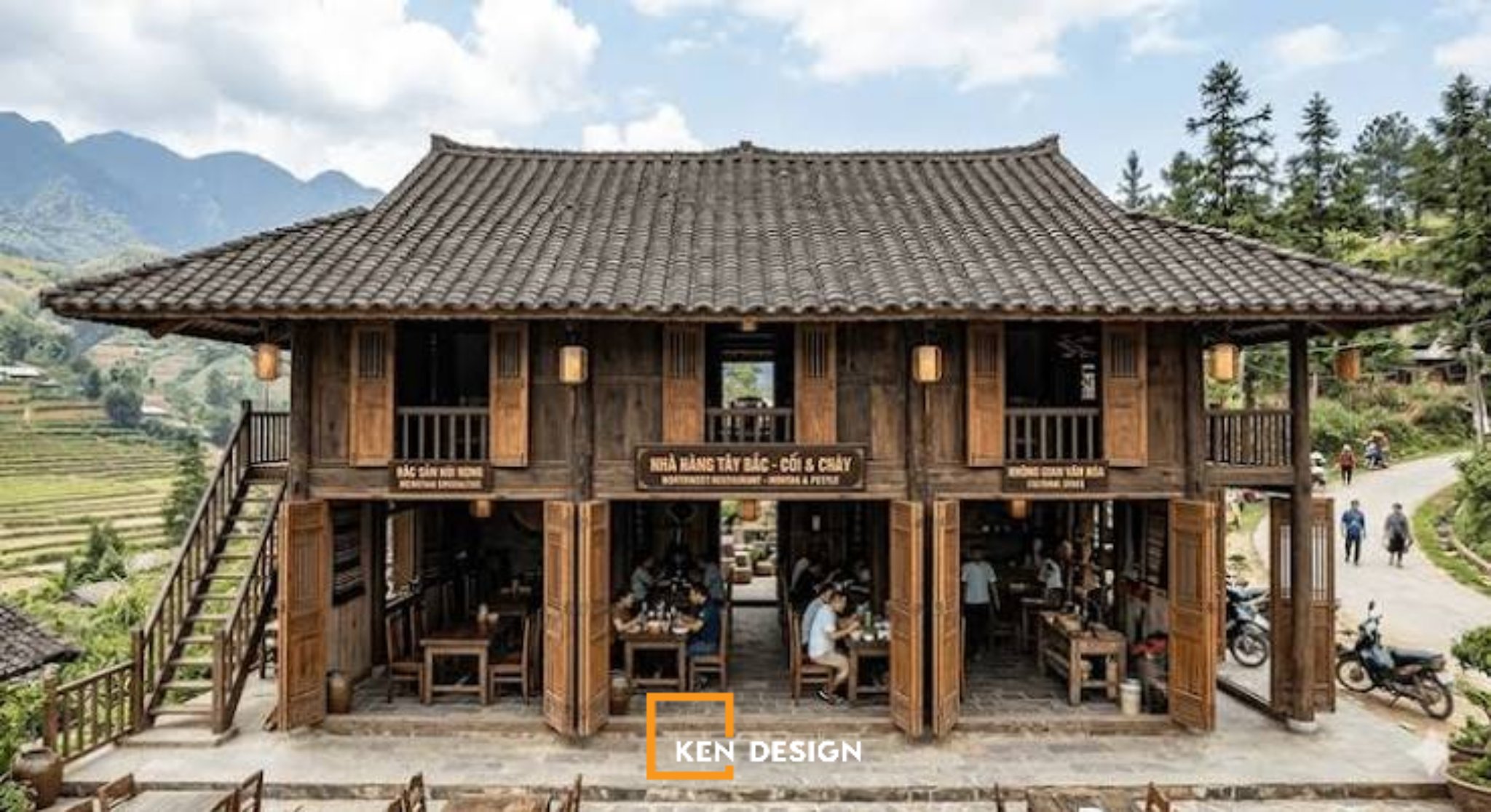
Each material brings its own visual and tactile qualities, helping recreate the distinctive atmosphere of the region. The thoughtful combination of textures, colors, and decorative elements allows restaurants to express local cultural identity naturally rather than relying solely on traditional motifs.
1.2. Creating a Distinctive Dining Experience
The interior environment is an important part of the overall dining experience. Warm wooden surfaces, rustic bamboo partitions, and colorful brocade details can create a welcoming atmosphere that distinguishes a Northwest Vietnam-inspired restaurant from conventional modern dining spaces.
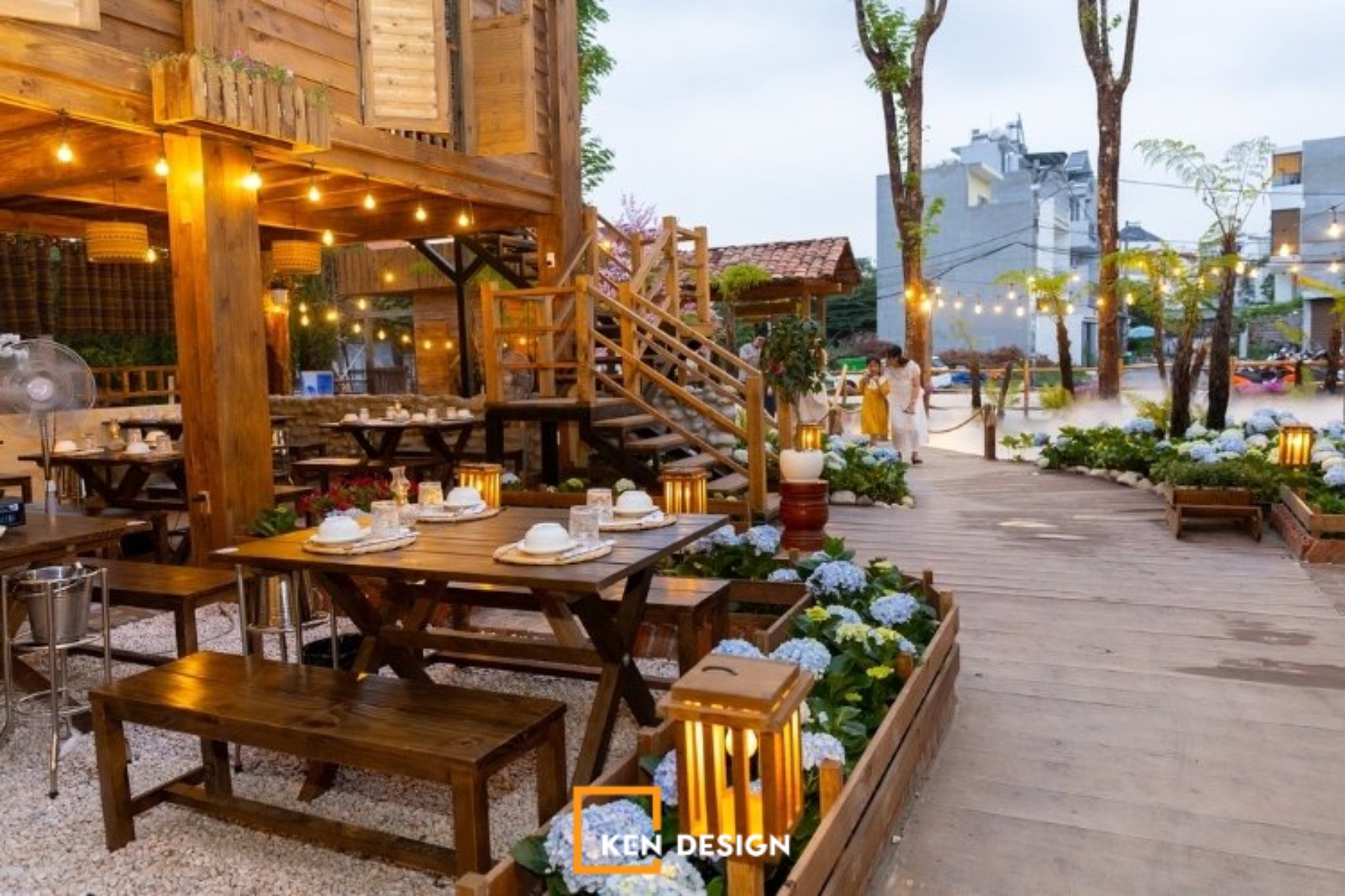
A well-designed interior also provides attractive photo opportunities, strengthens brand recognition, and encourages customers to share their experiences on social media.
1.3. Ensuring Durability and Long-Term Business Efficiency
Unlike residential interiors, restaurants experience intensive daily use and frequent exposure to moisture, temperature changes, grease, and cleaning products. Therefore, materials must be selected not only for their appearance but also for their ability to withstand actual operating conditions.
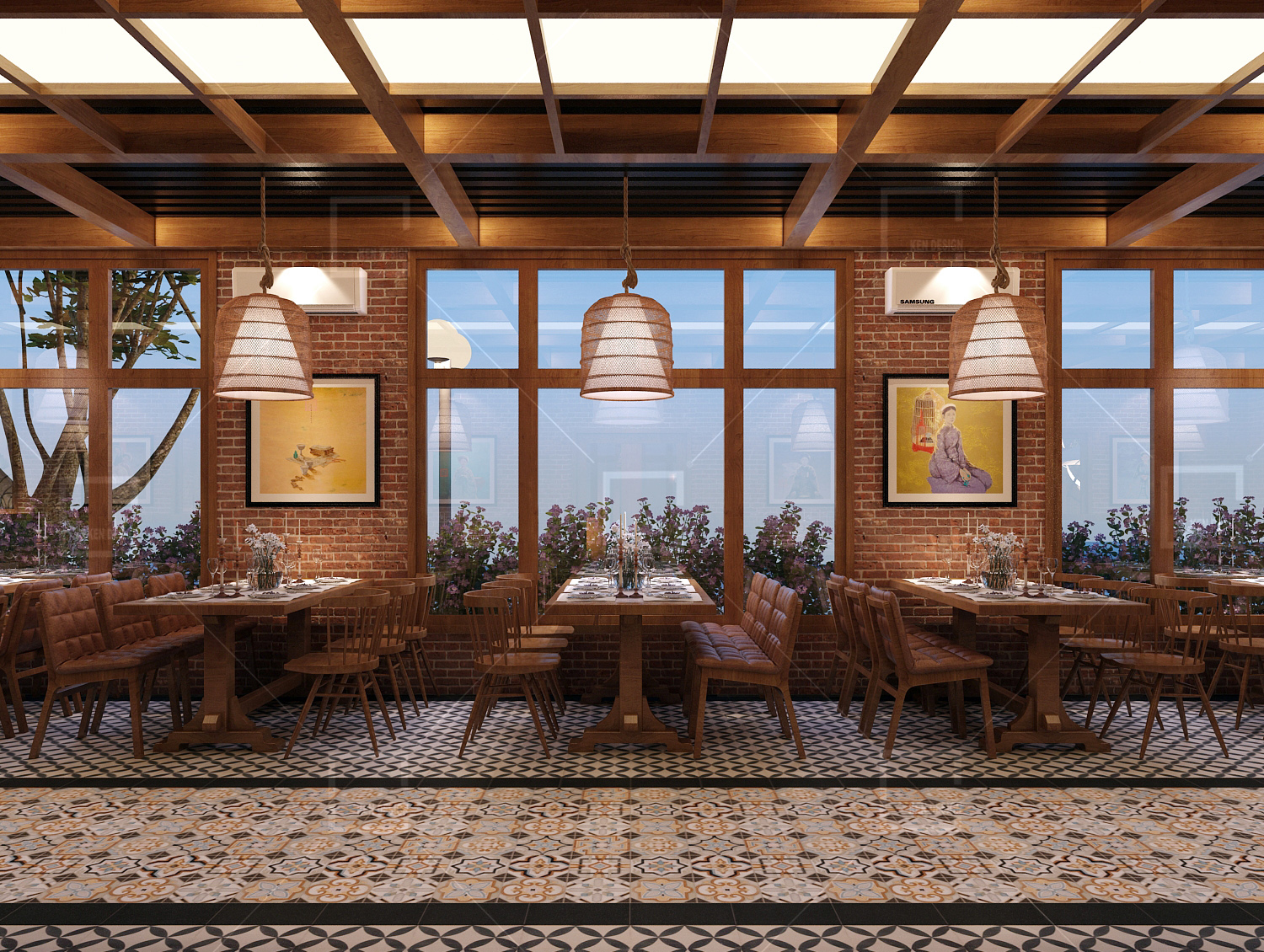
Choosing suitable materials from the beginning helps minimize deterioration, reduce maintenance expenses, and preserve the quality of the restaurant interior over time.
2. Suitable Materials for Northwest Vietnam Restaurant Design
2.1. Natural Wood – Creating a Warm and Rustic Atmosphere
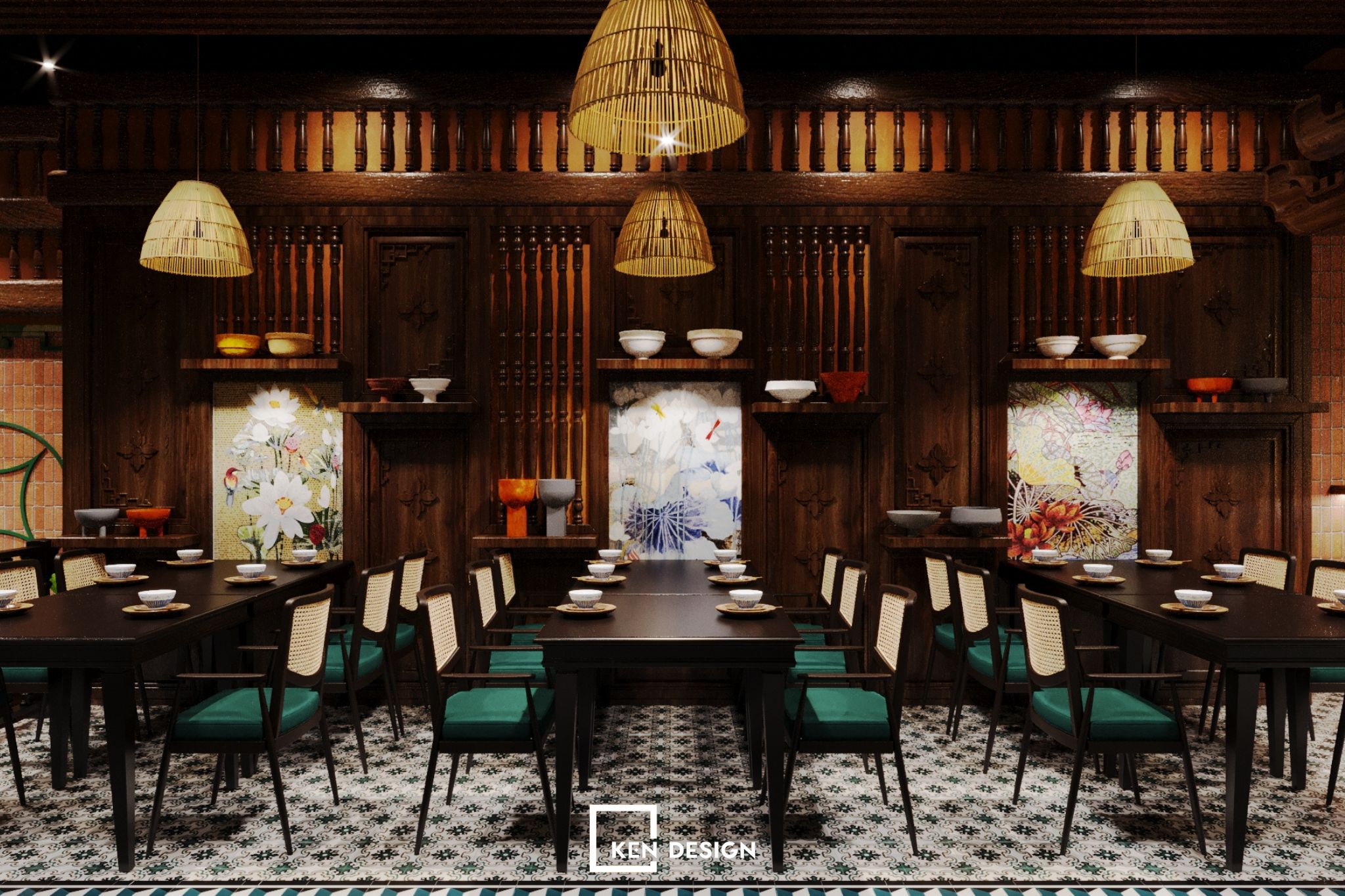
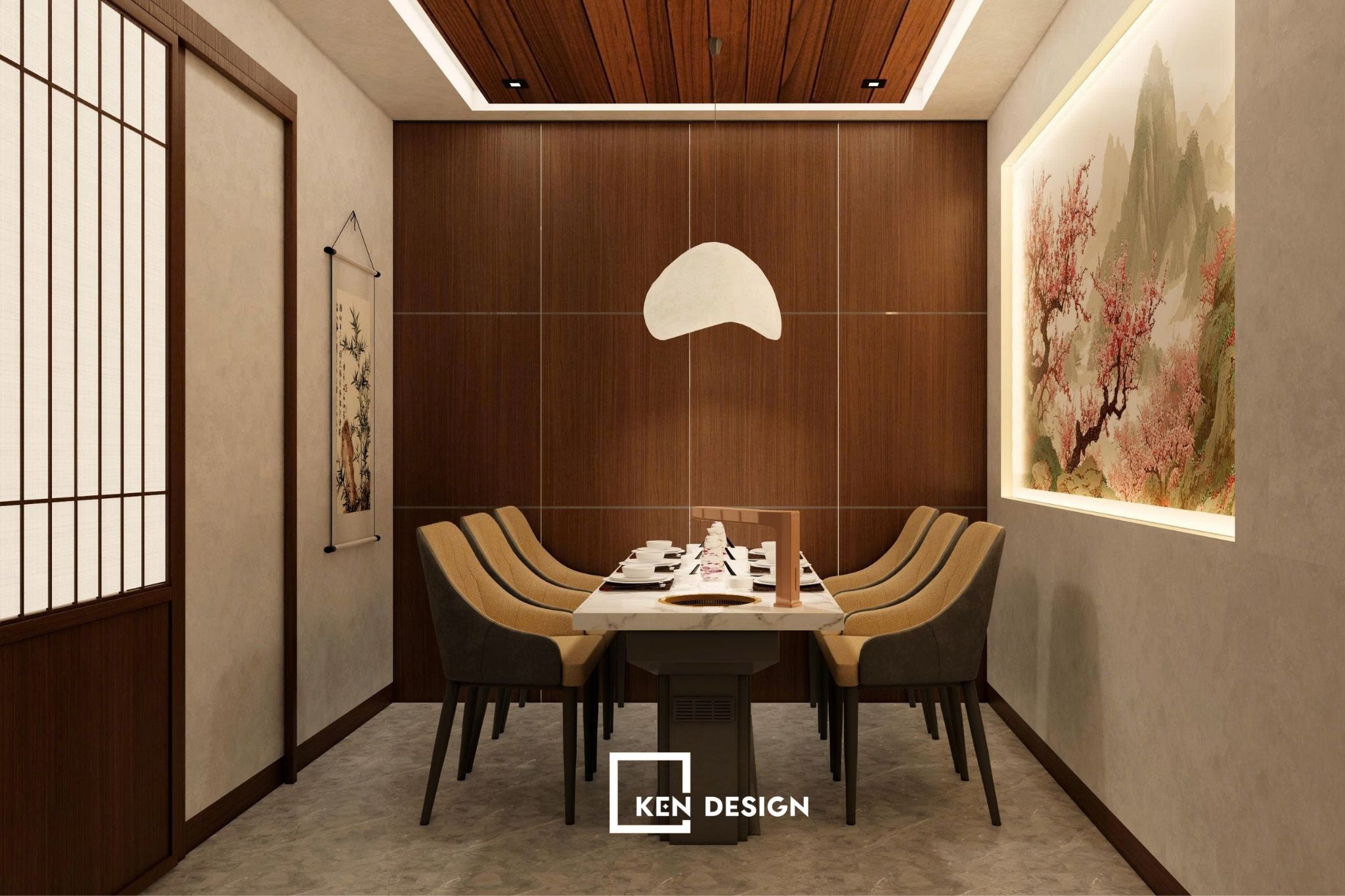
Wood is one of the most recognizable materials in Northwest Vietnam-inspired restaurant design. It is commonly used for structural columns, beams, ceilings, flooring, furniture, and decorative details, evoking the traditional architecture of local stilt houses.
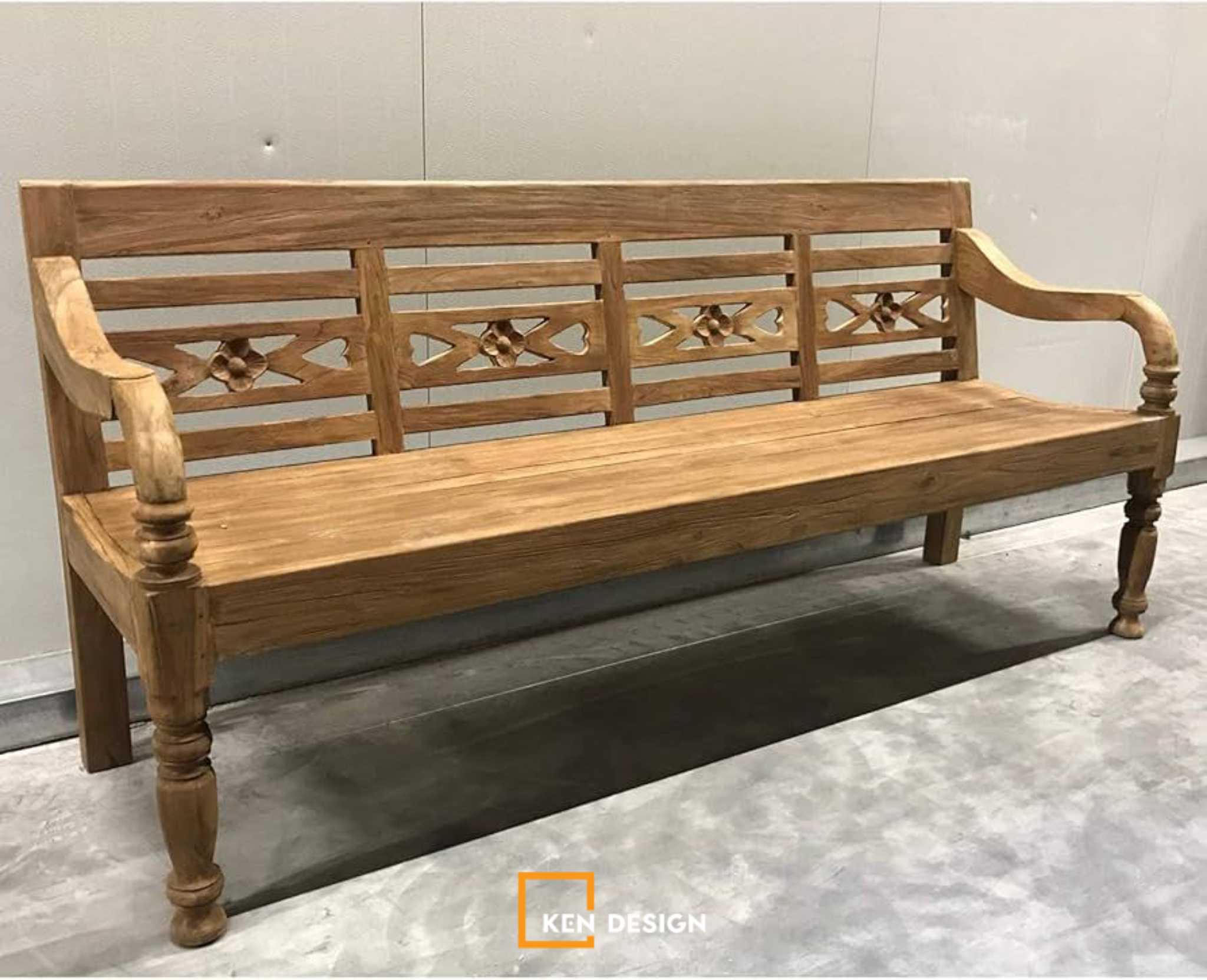
Its warm brown tones and natural grain patterns create a cozy, welcoming atmosphere. When combined with warm lighting, stone, and bamboo, wood helps establish a harmonious interior inspired by the mountainous landscape.
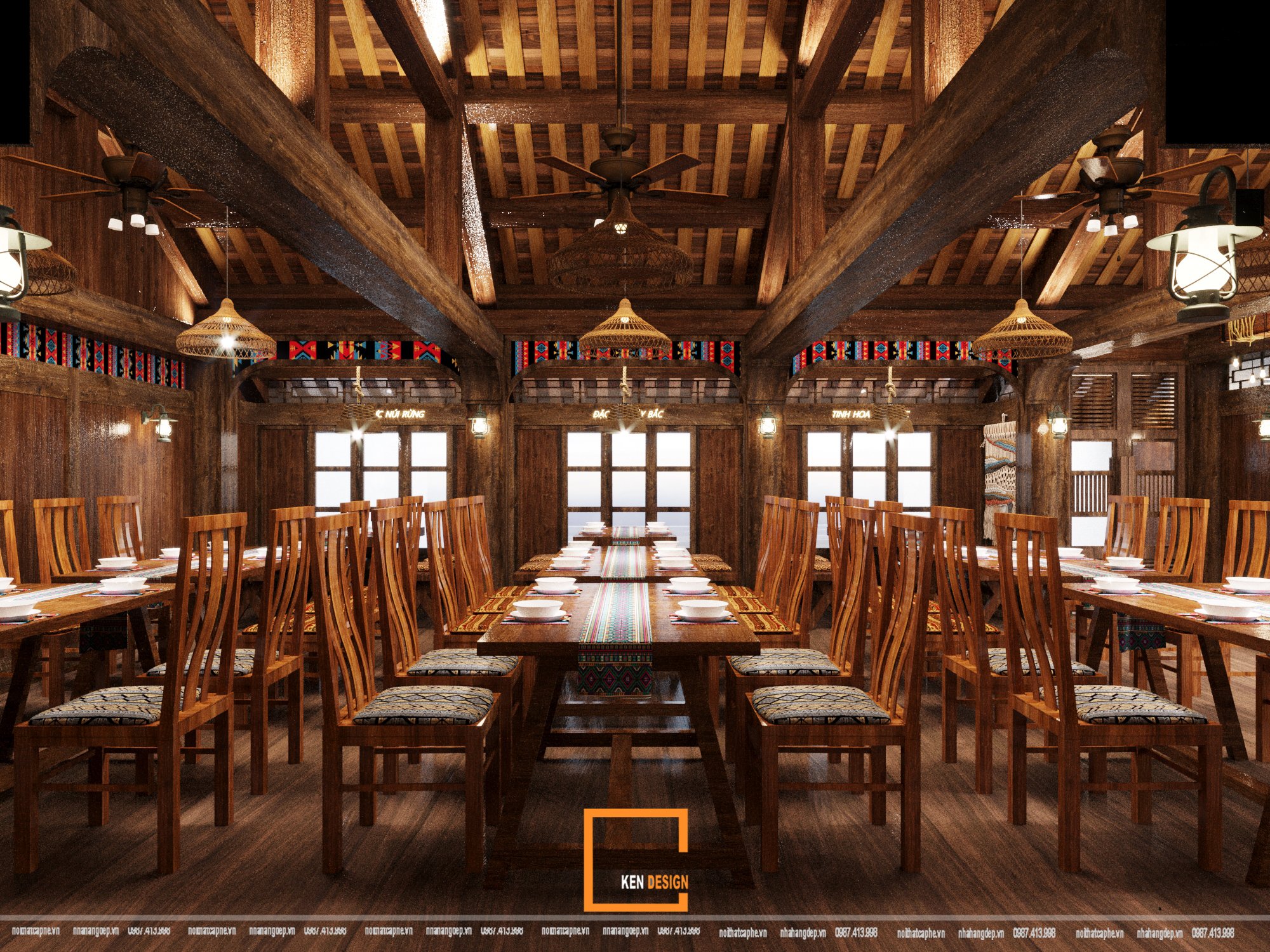
However, restaurant owners should consider wood's resistance to termites, warping, and moisture. Depending on the budget and intended application, high-quality engineered wood or wood-look alternatives can also be considered for selected areas.
2.2. Bamboo and Rattan Bamboo – Bringing the Mountainous Landscape Indoors
Bamboo and related natural materials have long been part of everyday life in many ethnic communities across Northwest Vietnam. Lightweight, versatile, and visually distinctive, they are suitable for decorative partitions, ceiling features, wall panels, pendant lights, and other interior accents.
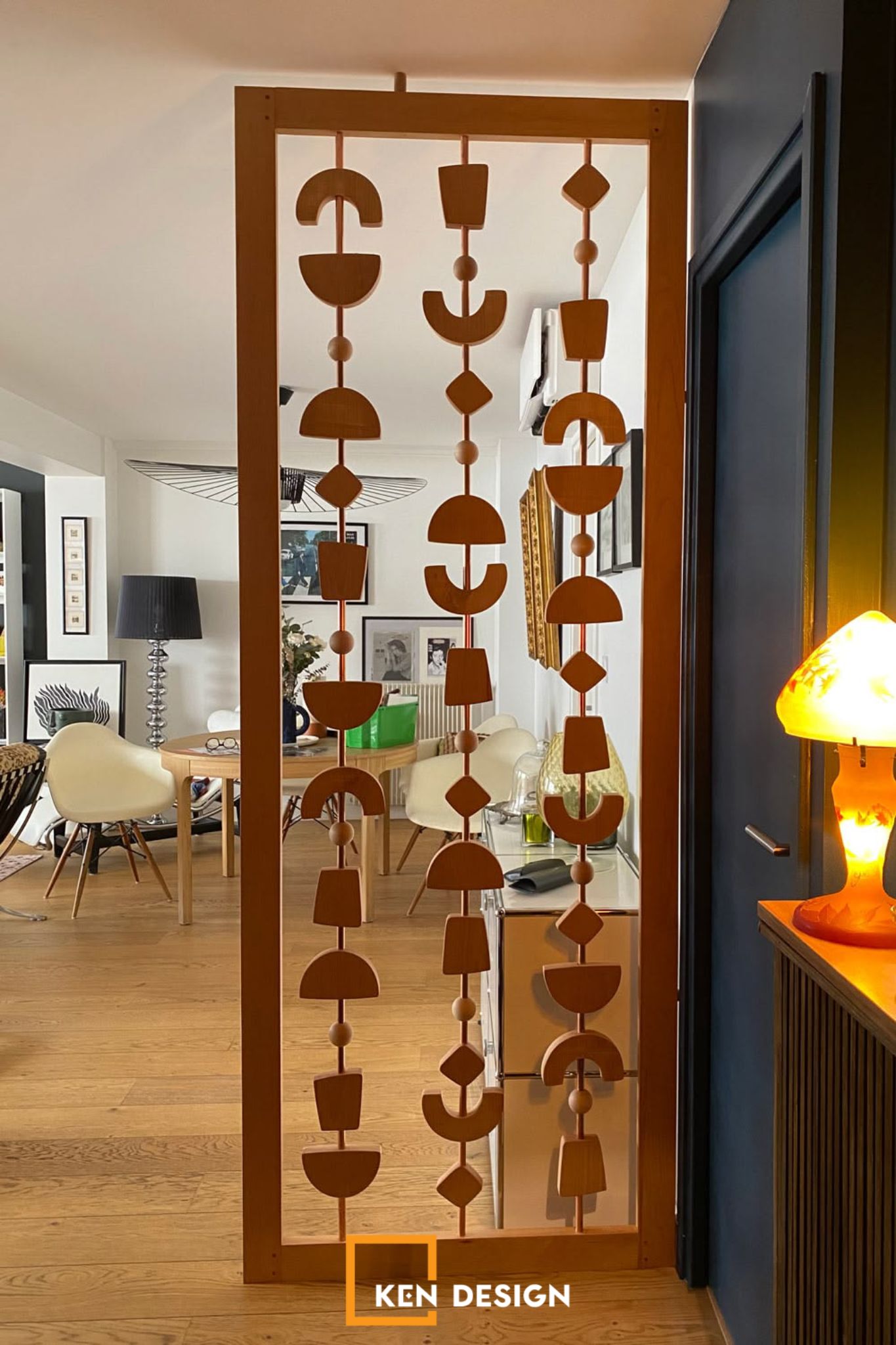
When used thoughtfully, bamboo creates an airy, organic atmosphere while adding a strong connection to nature. It is particularly effective in experiential dining spaces where the design aims to evoke the character of the Northwest region.
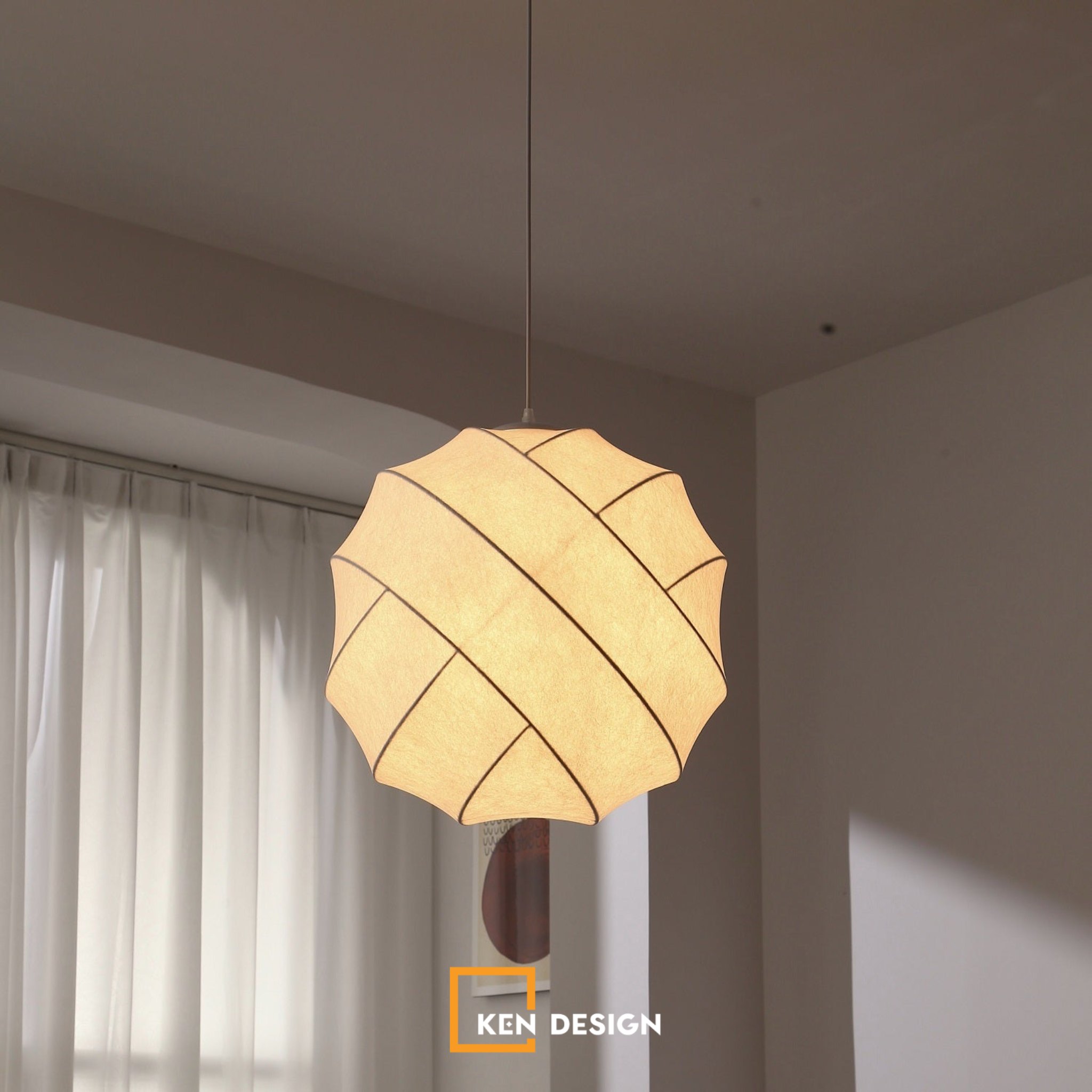
Nevertheless, bamboo requires proper treatment against termites, mold, and moisture to ensure durability. Untreated bamboo should be avoided in areas with frequent water exposure or inadequate ventilation.
2.3. Natural Stone – Adding an Organic and Rugged Character
Natural stone reflects the rugged beauty of mountainous landscapes, making it a suitable material for Northwest Vietnam-inspired interiors. It can be used for feature walls, wall bases, decorative landscaping, and walkways.
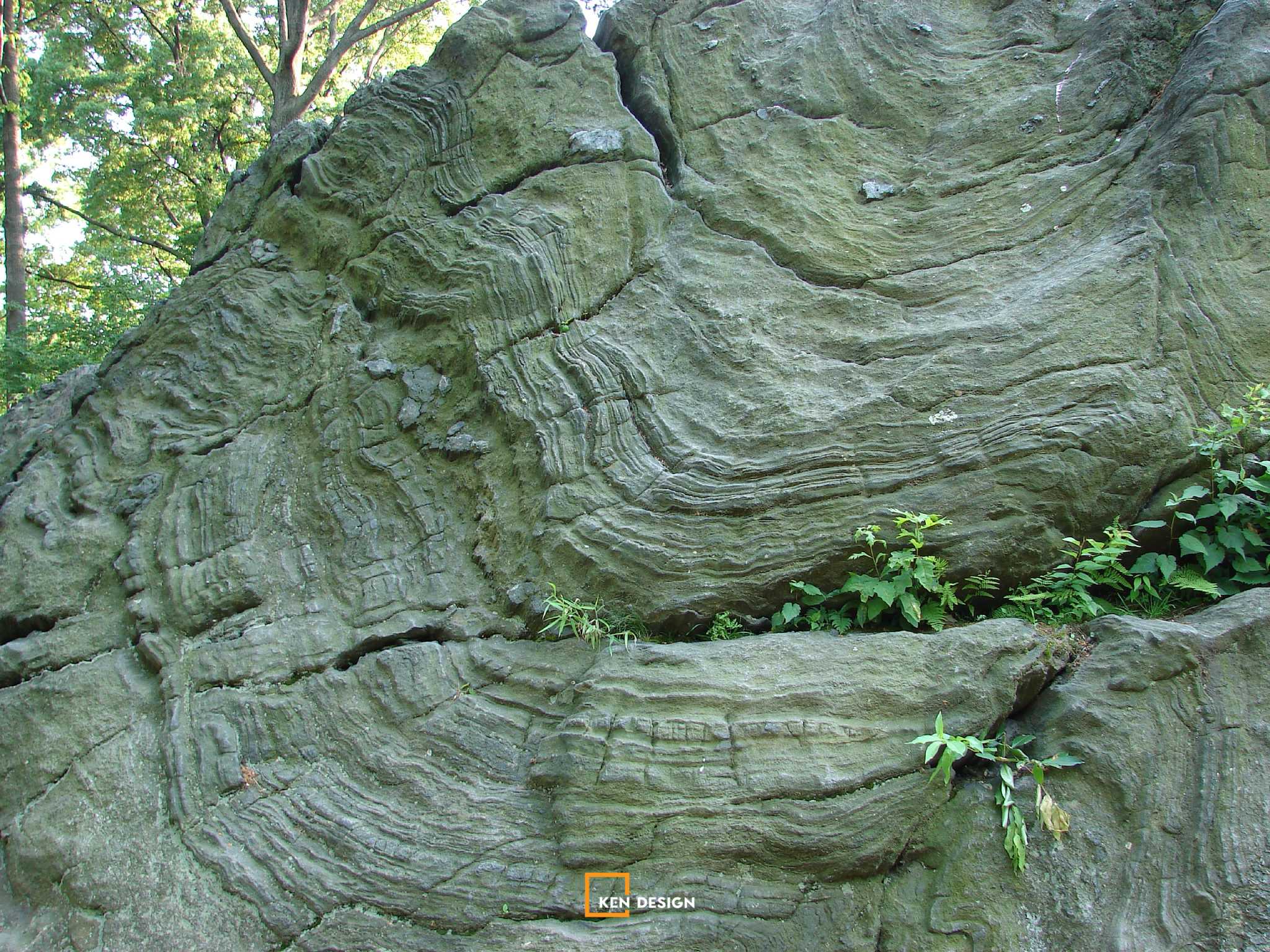
Its natural textures and earthy tones add depth to the interior while creating an appealing contrast with wood and bamboo.

When selecting stone, restaurant owners should pay attention to surface texture, slip resistance, and durability. In areas frequently exposed to water or heavy foot traffic, materials with appropriate anti-slip properties should be prioritized to ensure the safety of both customers and staff.
2.4. Brick and Terracotta – Evoking Traditional Architectural Charm
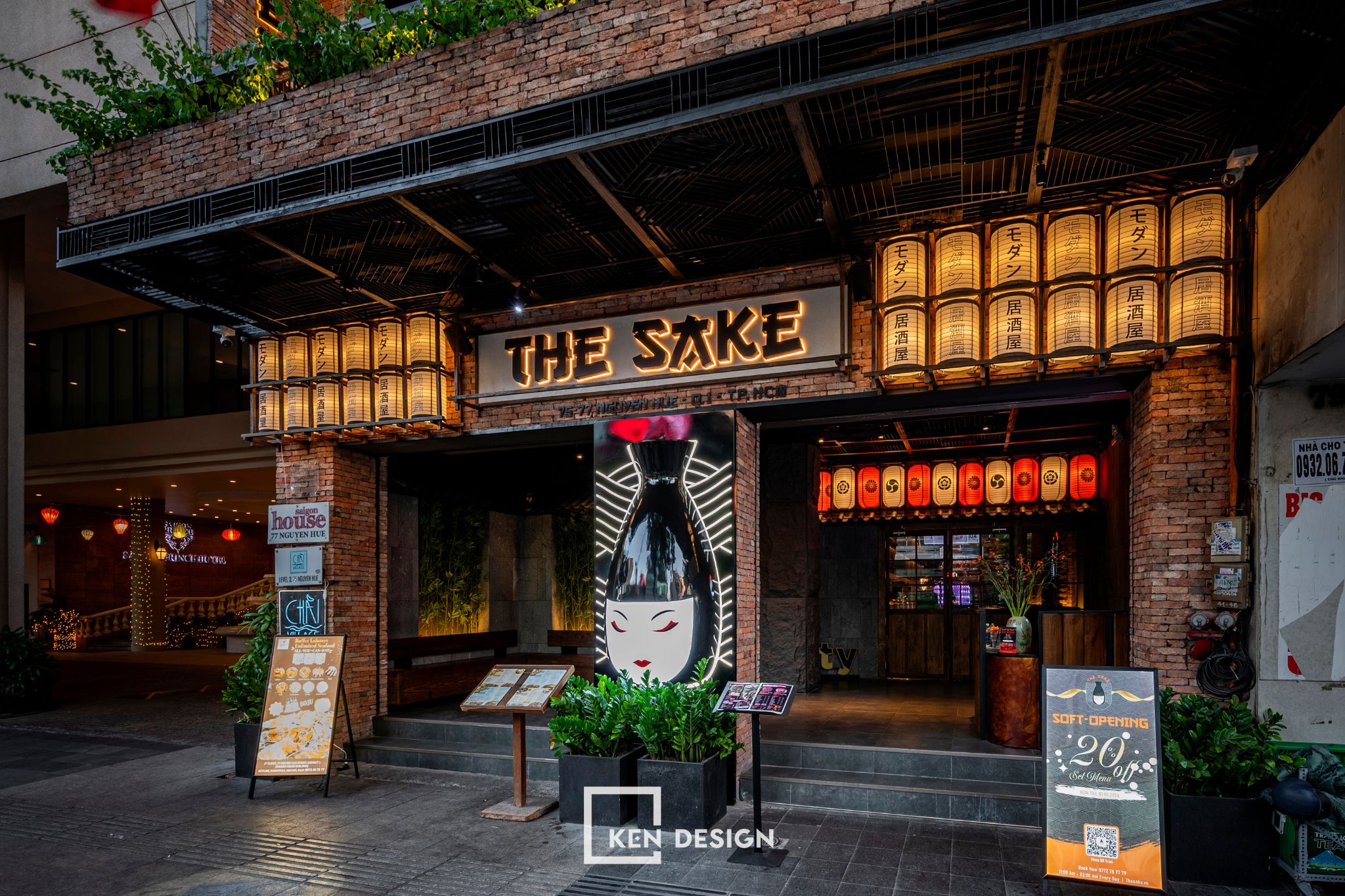
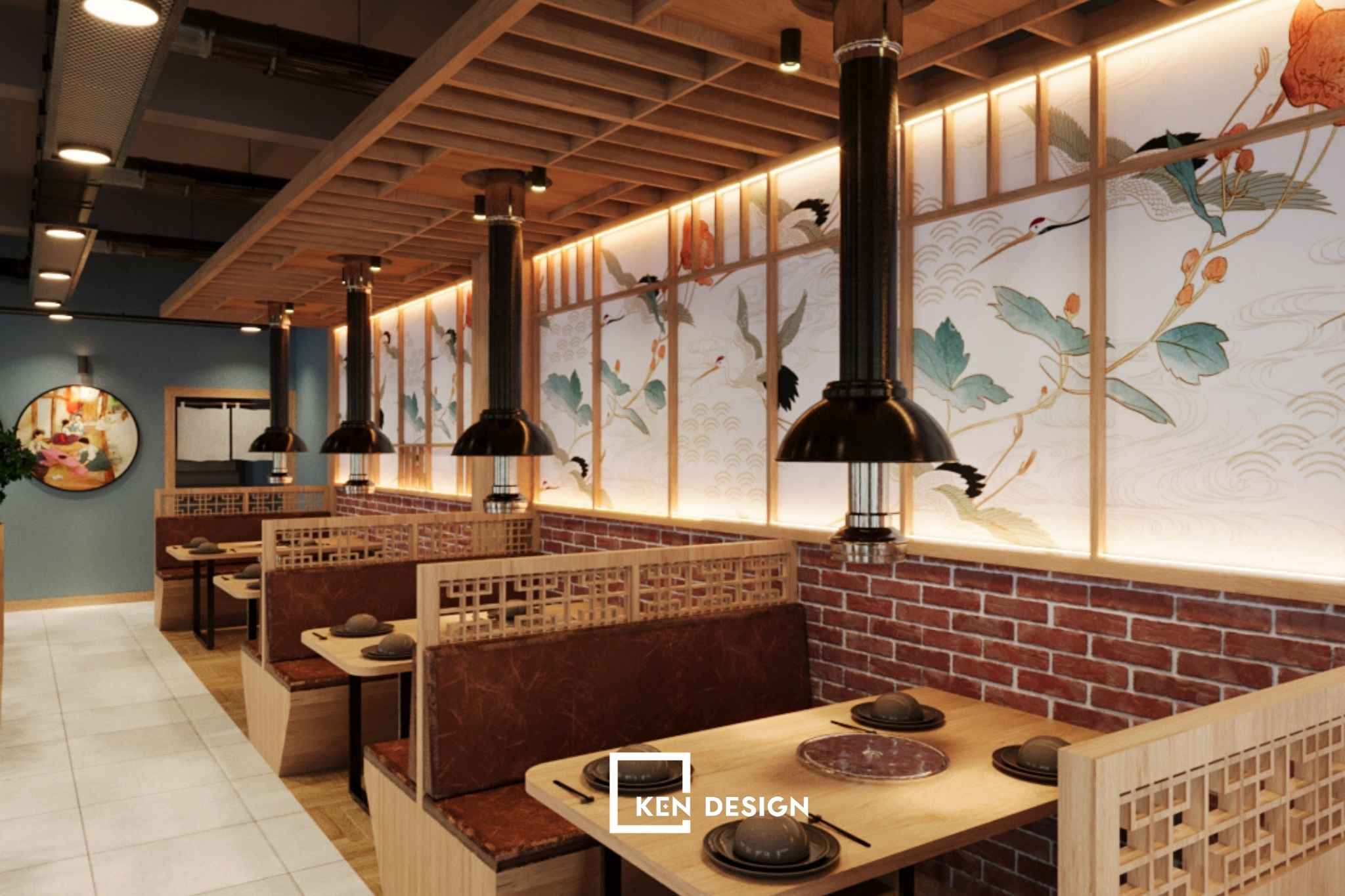
Exposed brick, terracotta, and antique-style brick finishes are excellent choices for creating a rustic, nostalgic atmosphere in Northwest Vietnam-inspired restaurants.
These materials can be applied to feature walls, service counters, flooring, and selected architectural details. Their warm reddish-brown and earthy tones bring visual depth and a welcoming character to the space.
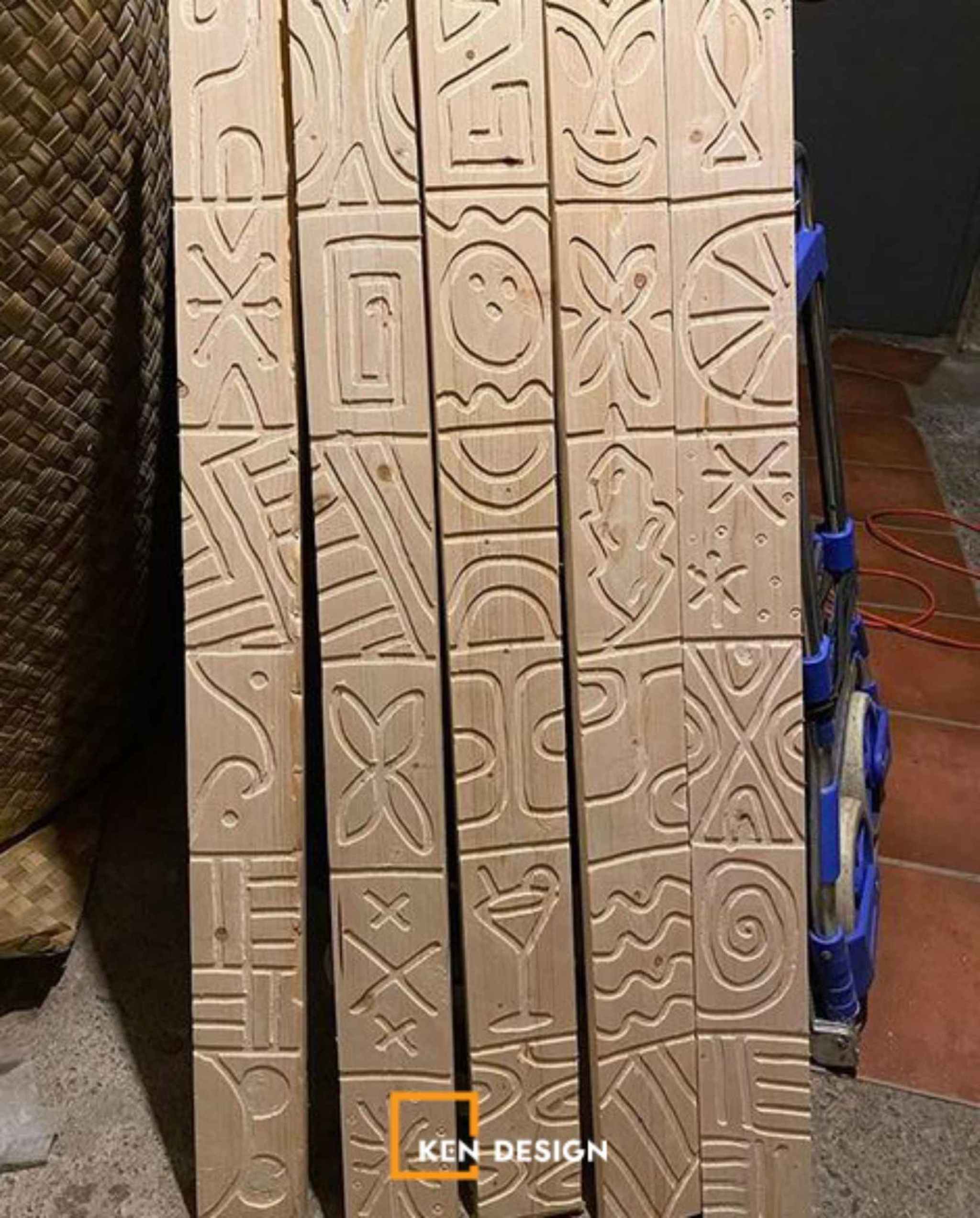
However, different applications require different material specifications. Flooring should prioritize load-bearing capacity, ease of cleaning, and slip resistance, while decorative wall finishes allow greater flexibility in terms of color and texture.
2.5. Traditional Brocade Fabric – A Distinctive Cultural Accent
While wood, bamboo, and stone establish the architectural foundation, traditional brocade fabric helps communicate the cultural identity of Northwest Vietnam more clearly.
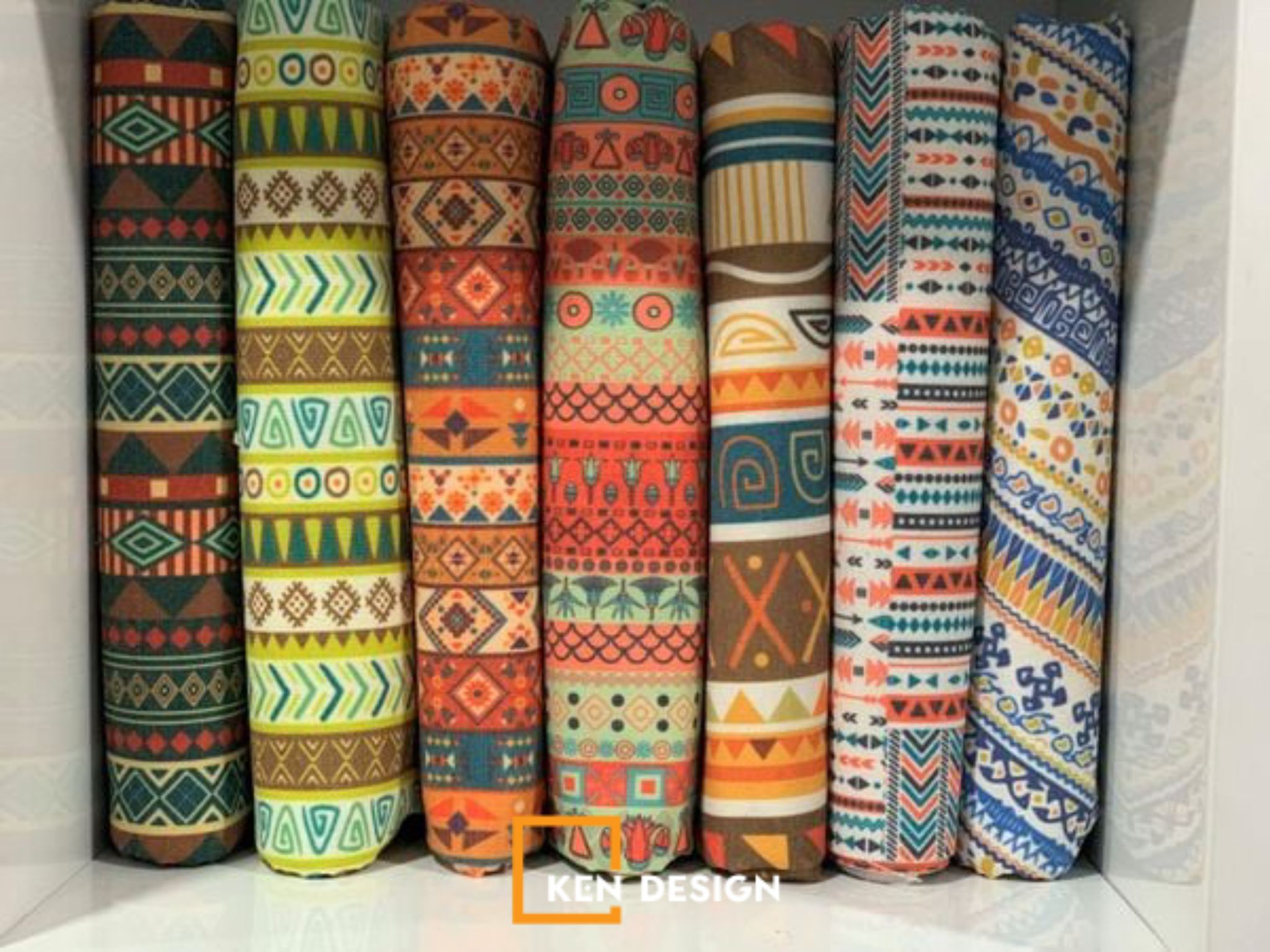
Its geometric patterns, vibrant colors, and distinctive motifs can be incorporated into seat cushions, curtains, decorative pillows, partitions, and other interior details. Brocade adds artistic character and visual interest without requiring overly elaborate decoration.
To avoid visual clutter, it should be used selectively and balanced with neutral materials such as wood and stone. Restaurant owners should also research the cultural origins of specific patterns to avoid using traditional symbols inappropriately or without understanding their significance to individual ethnic communities.
2.6. Rattan and Woven Materials – Completing the Natural Aesthetic
Rattan and other woven materials are commonly used in furniture and decorative accessories, including pendant lamps, baskets, chairs, and handcrafted details.
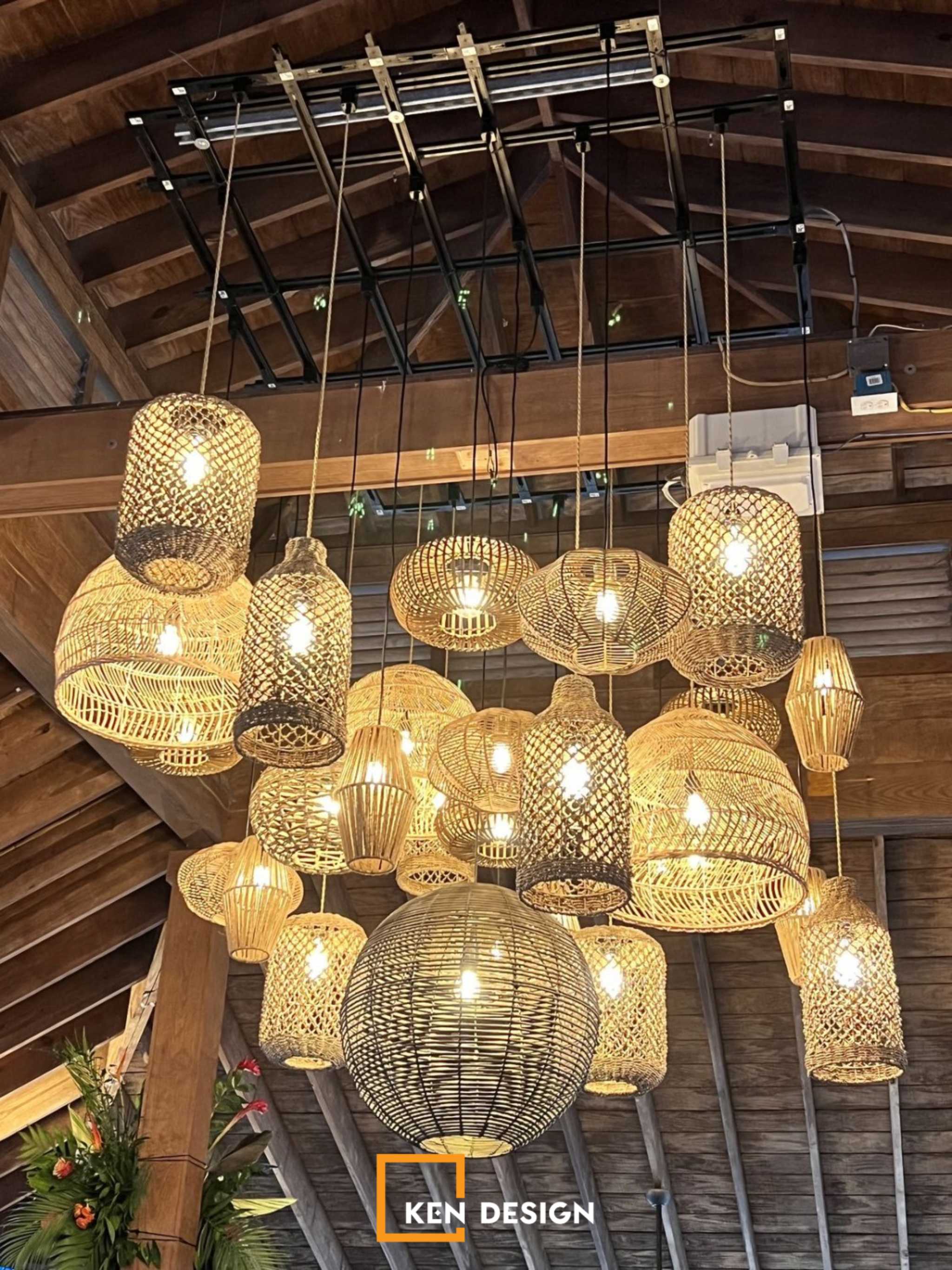
Their lightweight structure and soft visual texture balance the rugged appearance of wood and stone, making the overall space feel more inviting. However, restaurant owners should choose well-crafted products and avoid placing them in areas with excessive moisture or direct water exposure.
3. Practical Tips for Choosing Materials for a Northwest Vietnam Restaurant
3.1. Maintain Consistency with the Overall Design Concept
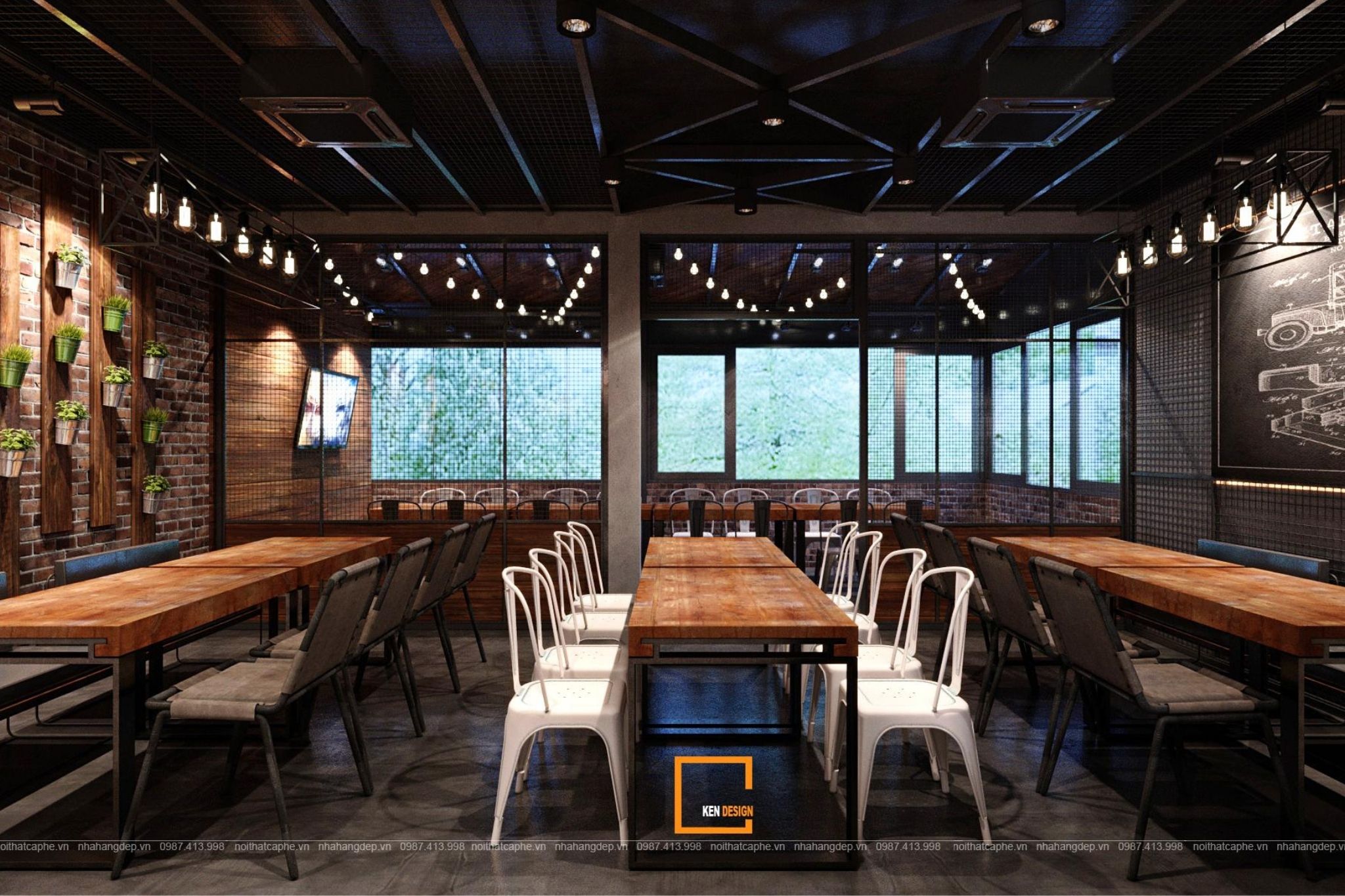
Every material should be selected according to the restaurant's overall design direction. For a space inspired by traditional stilt houses, wood and bamboo may serve as the primary materials. For a contemporary interpretation of Northwest Vietnam design, natural materials can be combined with glass, metal, or refined concrete finishes.
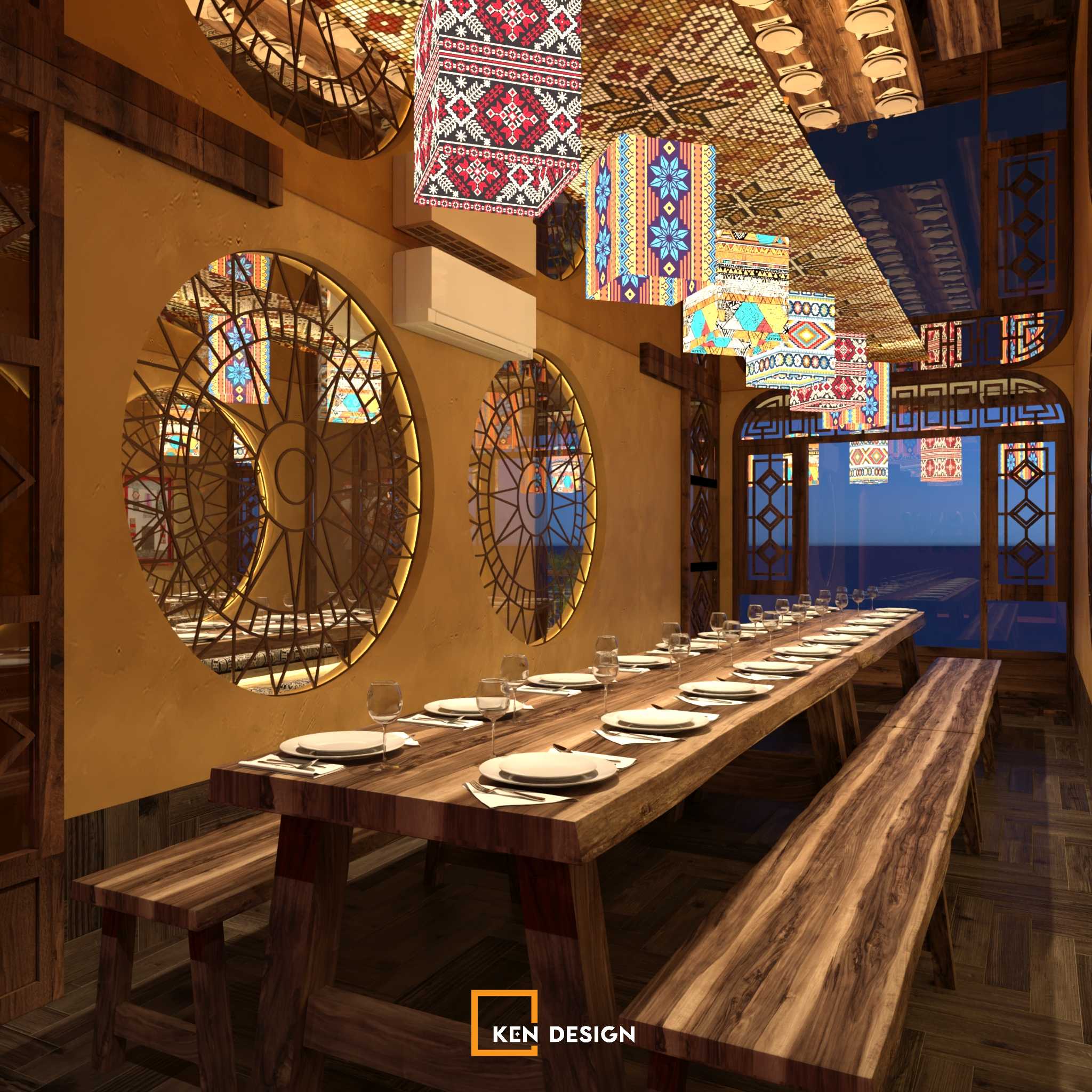
The key is to establish visual connections between different materials and avoid using unrelated finishes in separate areas, which can make the overall interior feel inconsistent.
3.2. Balance Aesthetics with the Investment Budget
Natural materials vary considerably in price depending on their type, quality, and availability. Therefore, creating an attractive restaurant interior does not necessarily require using premium materials throughout the entire space.
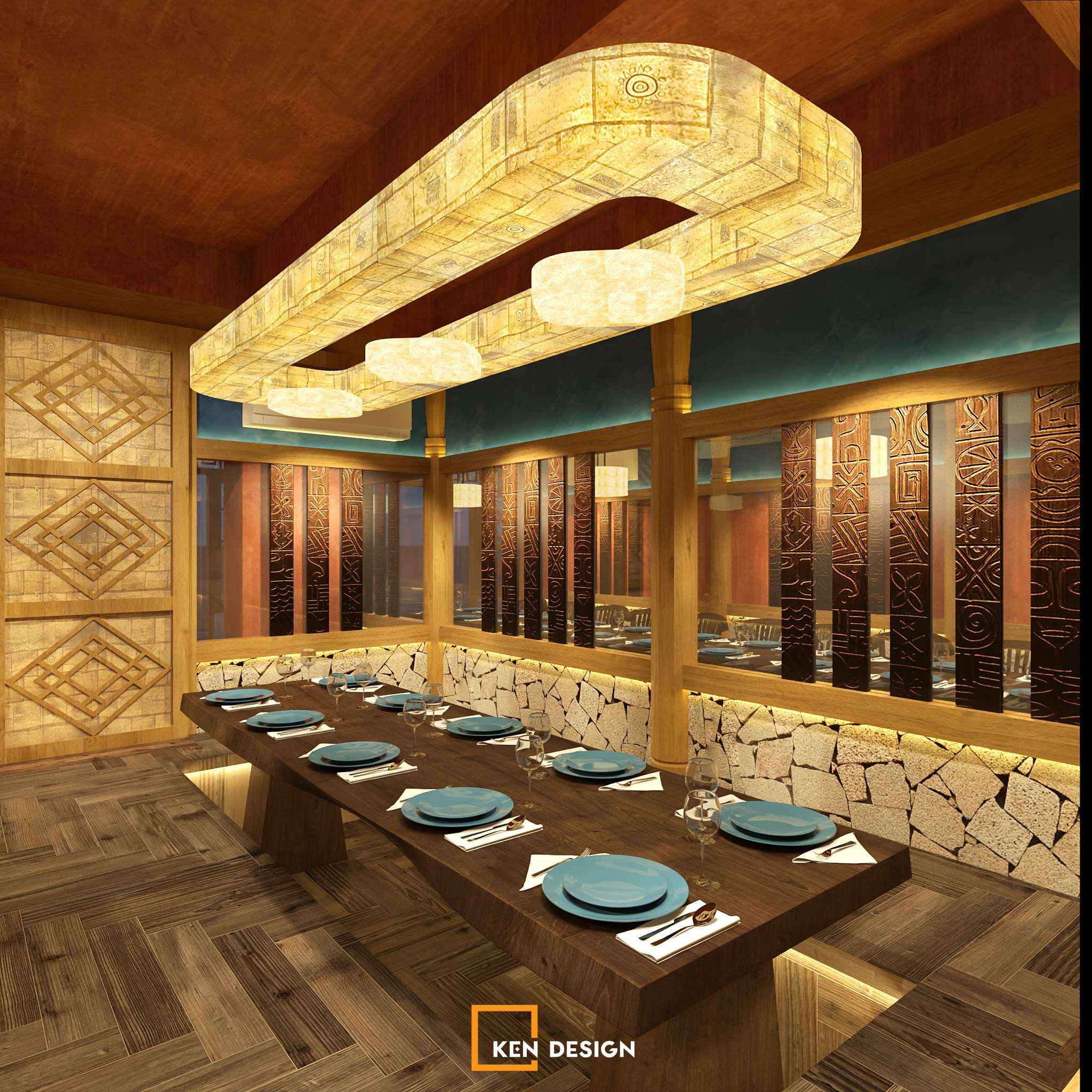
Restaurant owners can prioritize visually impressive materials in high-visibility areas such as the entrance, reception counter, and main dining area. More economical alternatives can be used in secondary spaces, provided they maintain the overall design consistency and meet functional requirements.
3.3. Prioritize Durability and Ease of Maintenance
Restaurants require frequent cleaning, particularly in dining areas, kitchens, and service counters. Materials should therefore offer suitable resistance to wear, moisture, and cleaning products while remaining practical for daily maintenance.
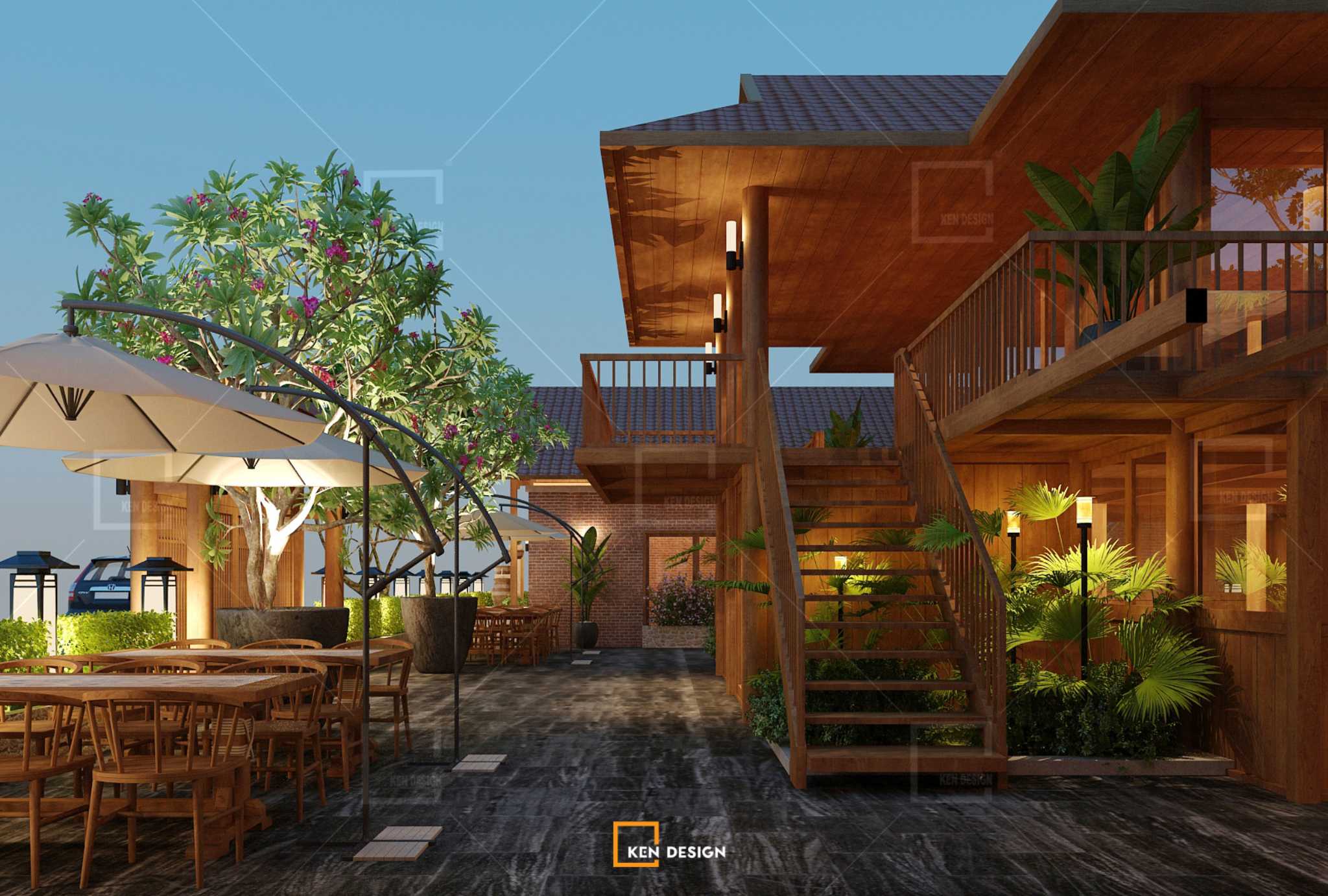
For example, wood and bamboo should receive appropriate protective treatments, stone flooring should provide adequate grip, and decorative fabrics should ideally be removable and easy to clean. Considering these factors from the beginning helps reduce maintenance costs throughout the restaurant's operation.
3.4. Select Materials According to Each Functional Area
Using the same materials throughout an entire restaurant is not always the most effective approach. Each area has different functional requirements and environmental conditions.
-
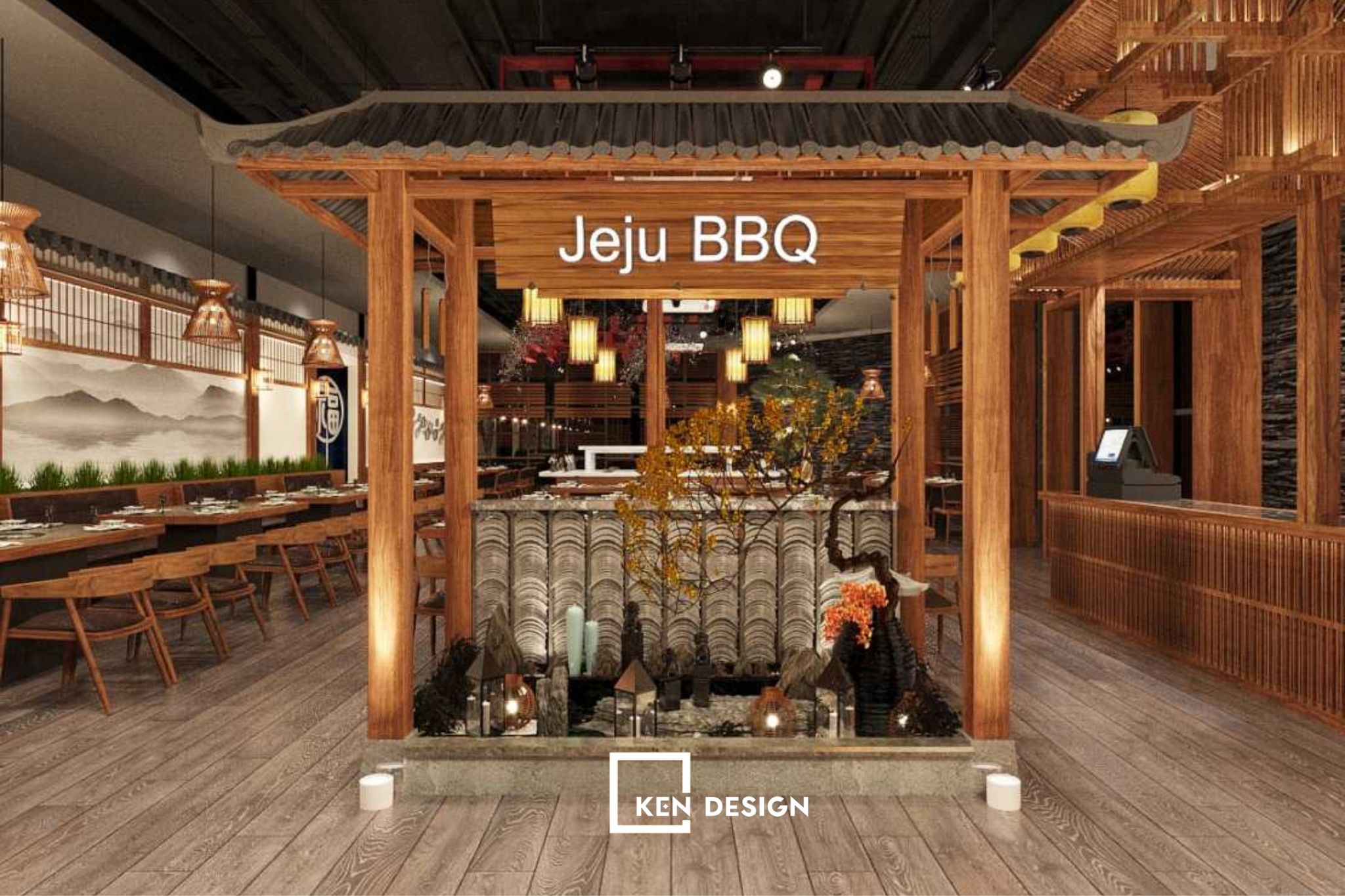
Facade and entrance: Combine wood, stone, bamboo, and appropriate lighting to create a memorable first impression.
-
Dining area: Prioritize wood, rattan, bamboo, and brocade accents to establish a warm and welcoming atmosphere.
-
Kitchen: Choose heat-resistant, moisture-resistant, easy-to-clean materials that meet relevant hygiene and safety requirements.
-
Restrooms: Prioritize waterproof, slip-resistant materials such as suitable tiles and stone finishes.
-
Decorative areas: Incorporate brocade, handcrafted accessories, wood, and natural materials to reinforce the restaurant's cultural identity.
3.5. Combine Traditional Materials with Modern Design Solutions
A beautiful Northwest Vietnam-inspired restaurant does not have to replicate traditional architecture entirely. Combining local materials with modern solutions such as glass, contemporary lighting systems, and advanced finishing materials can help create a space that preserves its cultural identity while meeting the practical demands of restaurant operations.
This combination requires careful consideration of proportions, colors, and material placement to ensure that modern elements complement rather than overshadow the main design concept.
4. Common Mistakes to Avoid When Choosing Materials for a Northwest Vietnam Restaurant
During the design and construction process, poor material selection can negatively affect both the restaurant's appearance and its operational efficiency. Some common mistakes include:
-
Overusing natural materials: Excessive use of wood, bamboo, stone, and brocade without proper balance can make the interior feel visually heavy and cluttered.
-
Focusing only on purchase prices: Low-cost materials that fail to meet quality requirements may deteriorate quickly and result in additional repair expenses.
-
Ignoring environmental conditions: Using moisture-sensitive or difficult-to-clean materials in kitchens, flooring, and restrooms can create significant operational challenges.
-
Lacking material consistency: Combining different textures, finishes, and colors without a unified design direction can weaken the restaurant's overall identity.
To avoid these issues, restaurant owners should establish a clear material selection plan during the initial design stage and consult experienced professionals before construction begins.
5. Kendesign – Professional Material Consultation for Northwest Vietnam Restaurant Design
Material selection is one of the key factors determining the quality of a restaurant's interior. An effective design solution must balance three essential elements: aesthetic identity, functional performance, and investment budget.
With a focus on designing commercial spaces for the F&B industry, Kendesign works alongside restaurant owners throughout the design process, from developing initial concepts to selecting materials and implementing solutions tailored to each business model.
From combining wood, bamboo, and natural stone to incorporating decorative details inspired by local culture, every material choice should be carefully considered based on the site's characteristics and the restaurant's operational requirements.
A few reference projects PAO QUÁN - THIẾT KẾ TÂY BẮC THU NHỎ GIỮA LÒNG THỦ ĐÔ
Nhà hàng Duyên Quán – Nét dịu dàng vùng Tây Bắc
Thiết kế nhà hàng Tây Bắc Quán
Thiết kế nhà hàng Heart of Sapa - Nét chấm phá độc lạ giữa núi rừng Tây Bắc
If you are planning to open a Northwest Vietnam-inspired restaurant and want to create a space that reflects the region's cultural identity while supporting efficient business operations, contact Kendesign for professional consultation and a design solution tailored to your needs.