1. Main Investment Costs for a Northwest Vietnamese Restaurant
The total investment budget depends on several factors, including restaurant size, location, design concept, and business model. Before opening, investors should consider the following major expenses.
1.1. Premises Rental and Renovation Costs
The first investment is securing a suitable location. Rental expenses vary depending on the property's size, location, accessibility, and commercial potential.
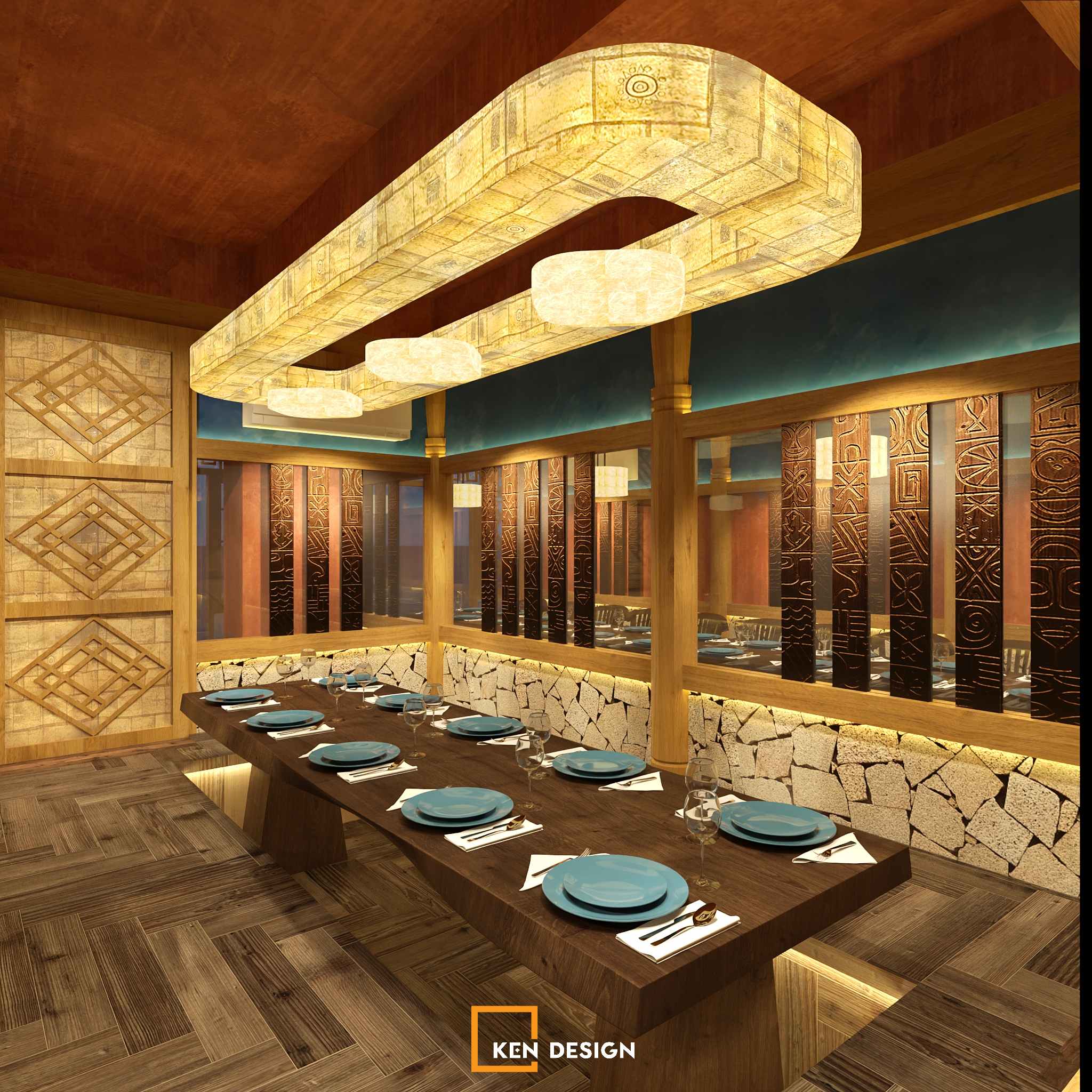
Investors should also account for security deposits, advance rent, and renovation costs. These may include flooring, wall treatments, electrical systems, plumbing, ventilation, and kitchen modifications.
Choosing a property with suitable existing infrastructure can help reduce initial renovation expenses.
1.2. Interior Design and Construction Costs
Interior design and construction often represent significant portions of a restaurant's initial investment.
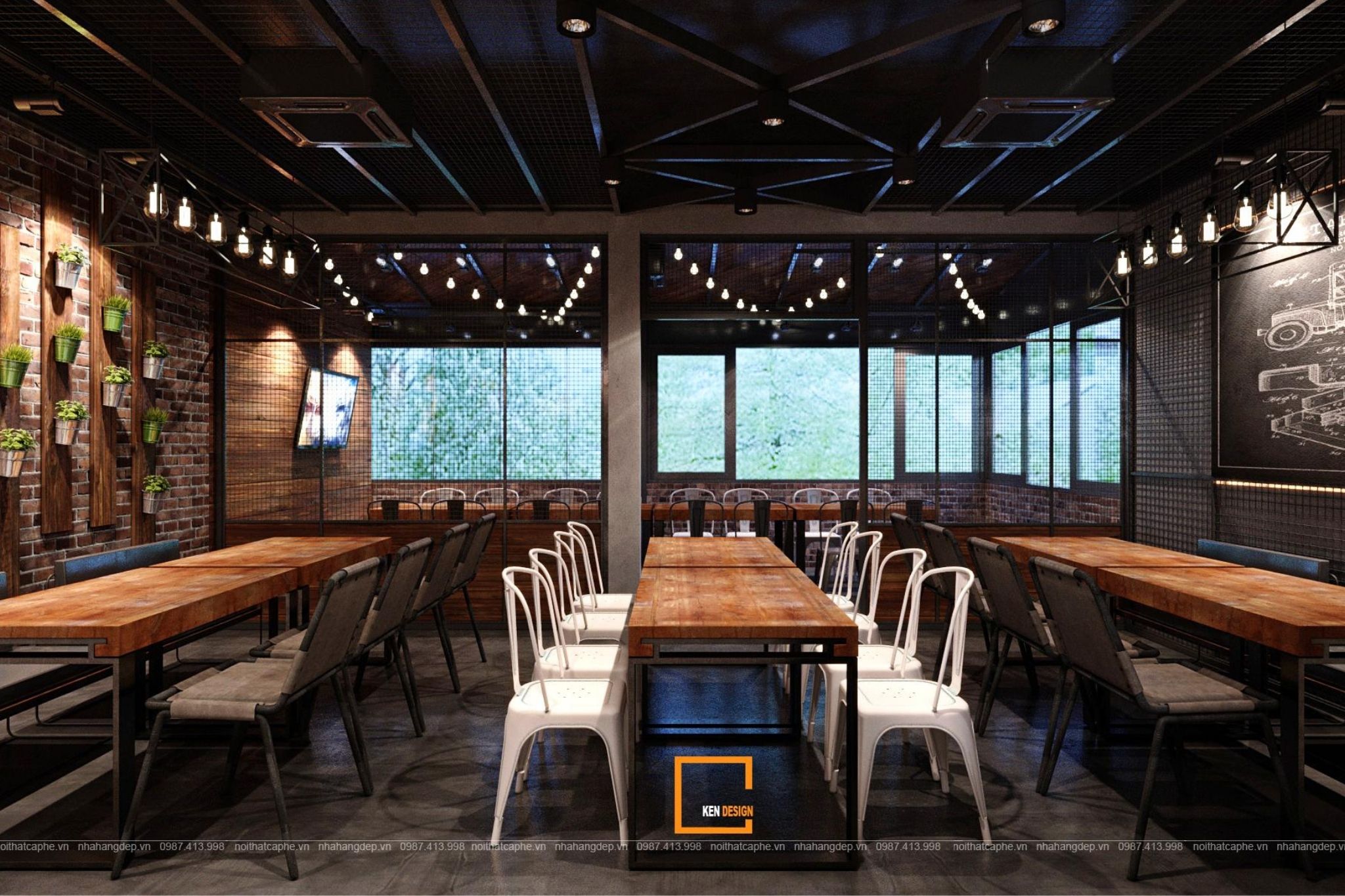
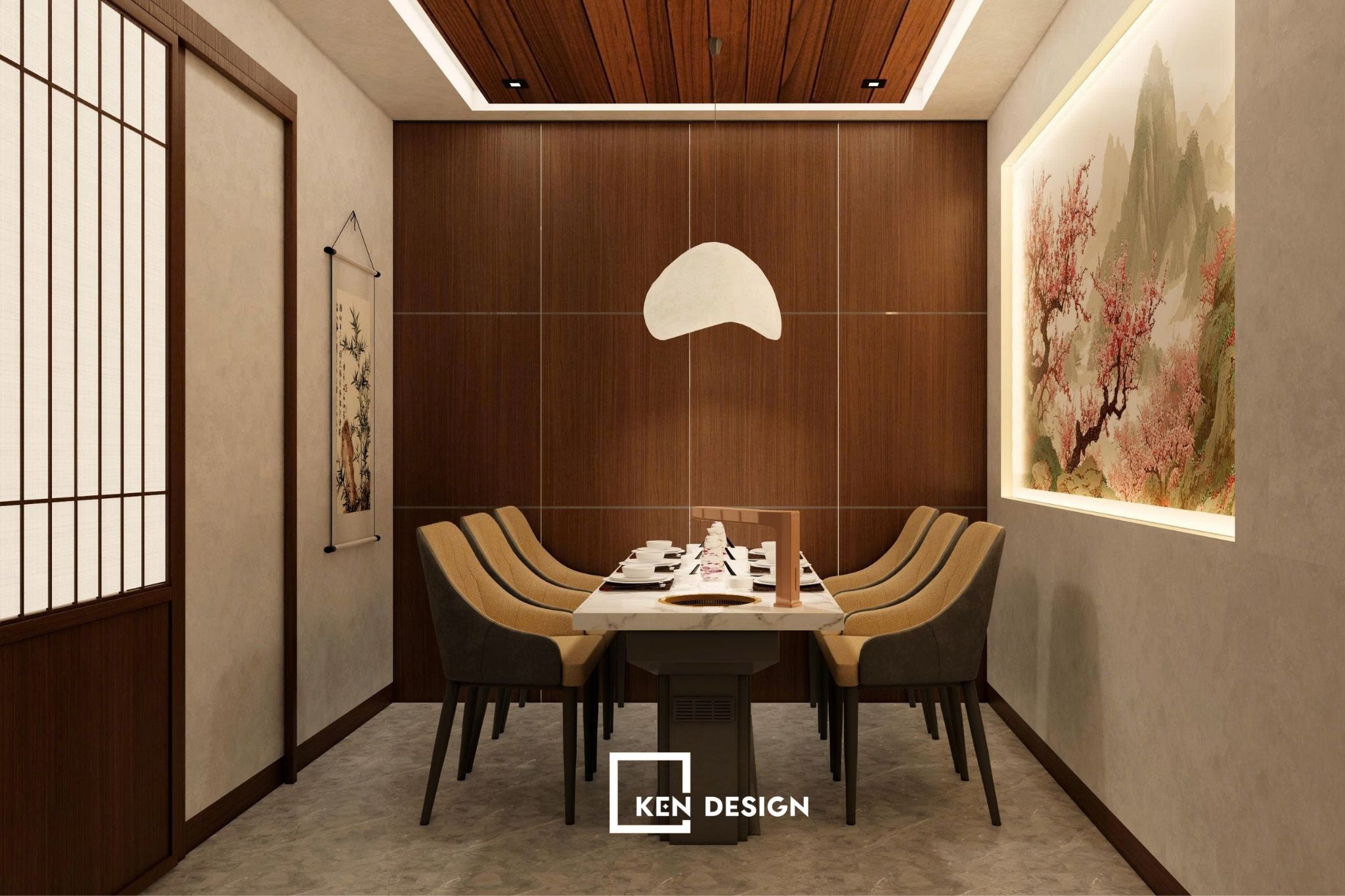
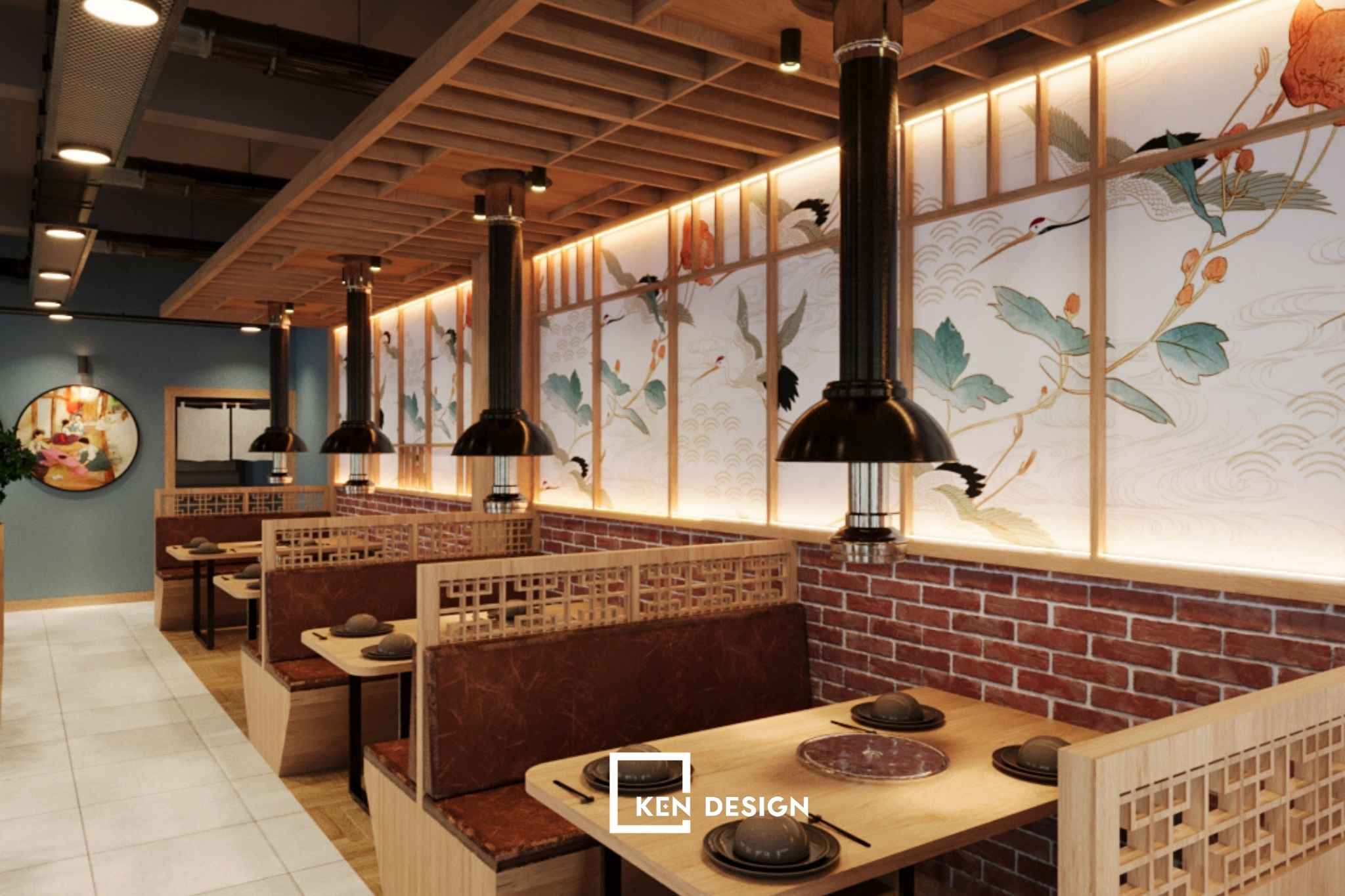
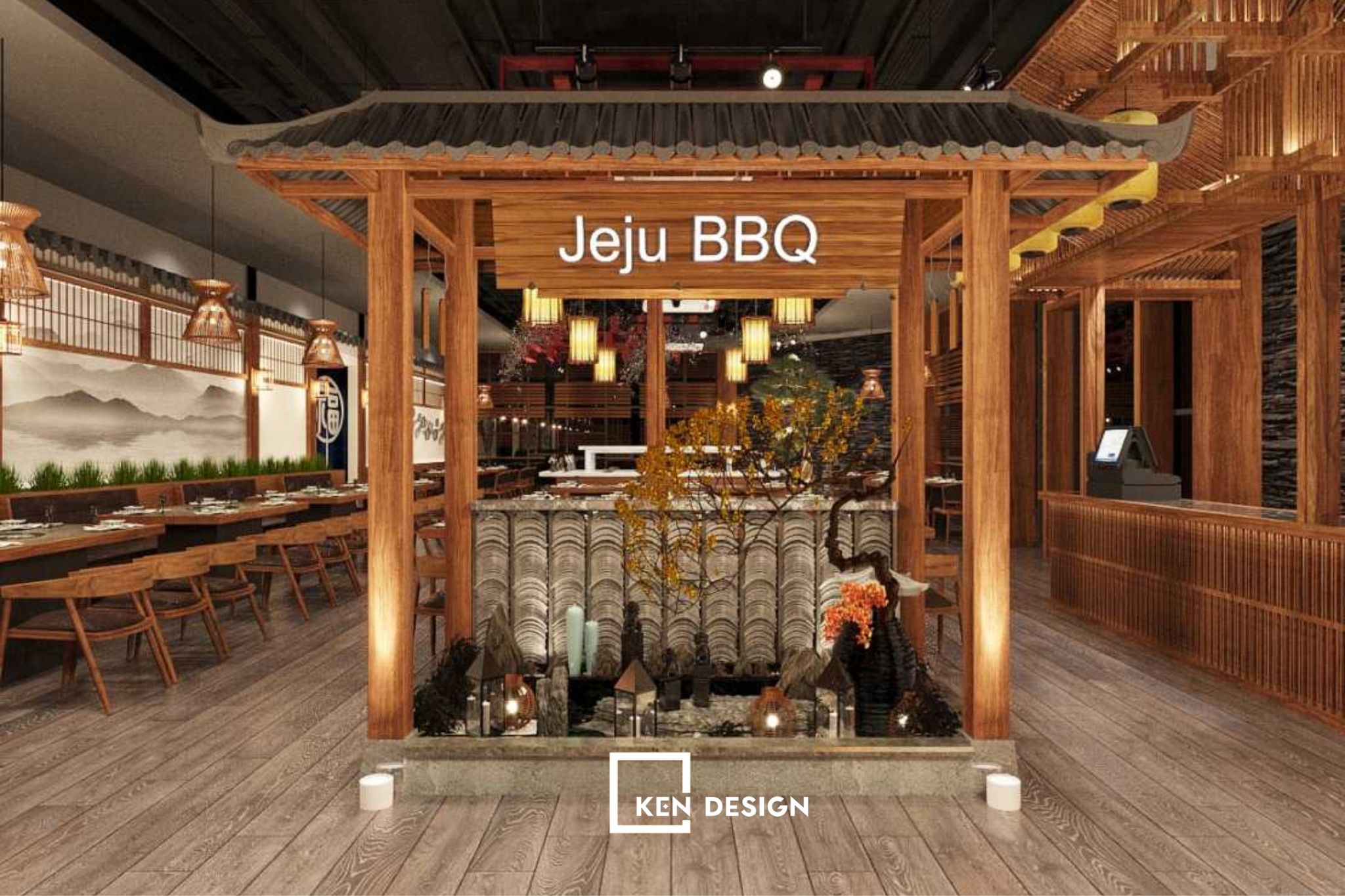
For a Northwest Vietnamese restaurant, the design may incorporate wood, bamboo, rattan, natural stone, and traditional brocade patterns to create a distinctive atmosphere.
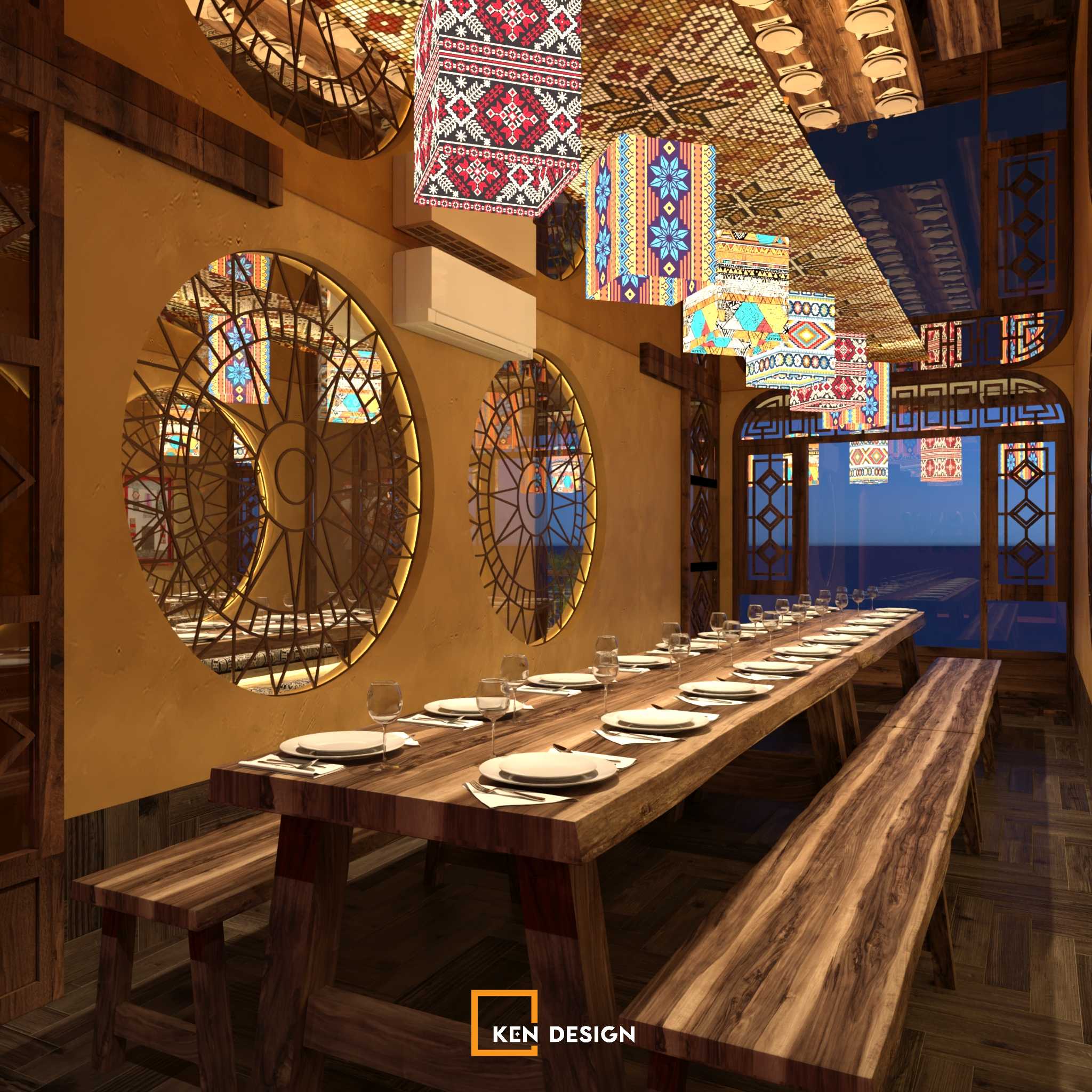
The main expenses include:
-
Architectural and interior design services.
-
Construction and structural modifications.
-
Flooring, ceilings, and wall finishing.
-
Lighting and electrical installations.
-
Decorative partitions and interior features.
-
Plumbing and ventilation systems.
The final cost depends on the restaurant's floor area, design complexity, material selection, and construction requirements.
A detailed design plan before construction helps investors control expenses and minimize costly changes.
1.3. Furniture and Equipment Costs
Furniture and equipment are essential for creating a functional dining space and ensuring smooth restaurant operations.
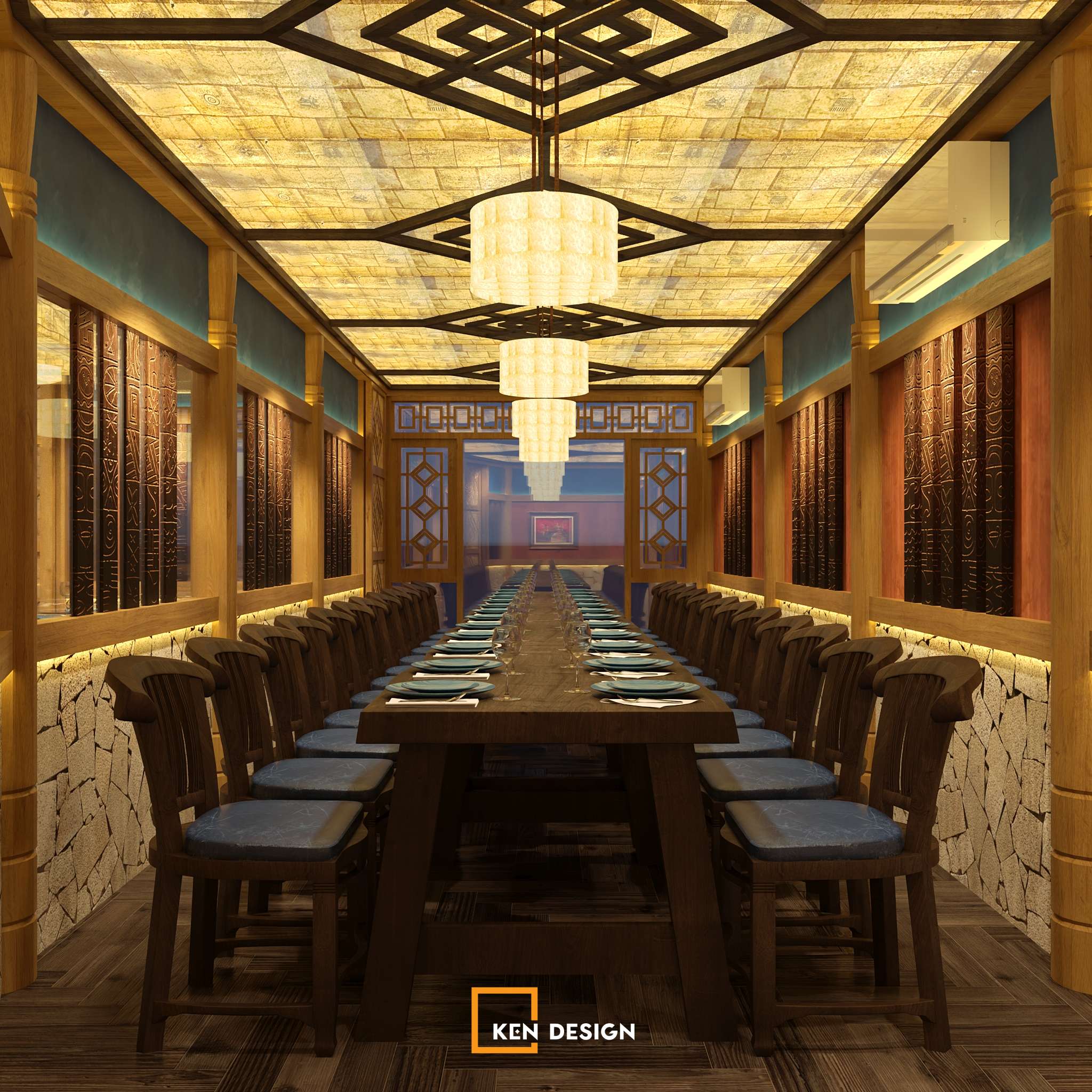
Typical investments include:
-
Dining tables and chairs.
-
Reception and service counters.
-
Storage cabinets and decorative shelves.
-
Lighting and air-conditioning systems.
-
Tableware, serving utensils, and kitchen accessories.
-
Cash registers and restaurant management systems.
Investors can combine cost-effective furniture with selected decorative elements to maintain the Northwest Vietnamese aesthetic without overspending.
1.4. Kitchen Equipment and Initial Supplies
The kitchen requires a separate investment budget to ensure efficient food preparation and service.
Essential equipment includes commercial stoves, exhaust hoods, refrigerators, freezers, preparation tables, sinks, and cooking utensils.
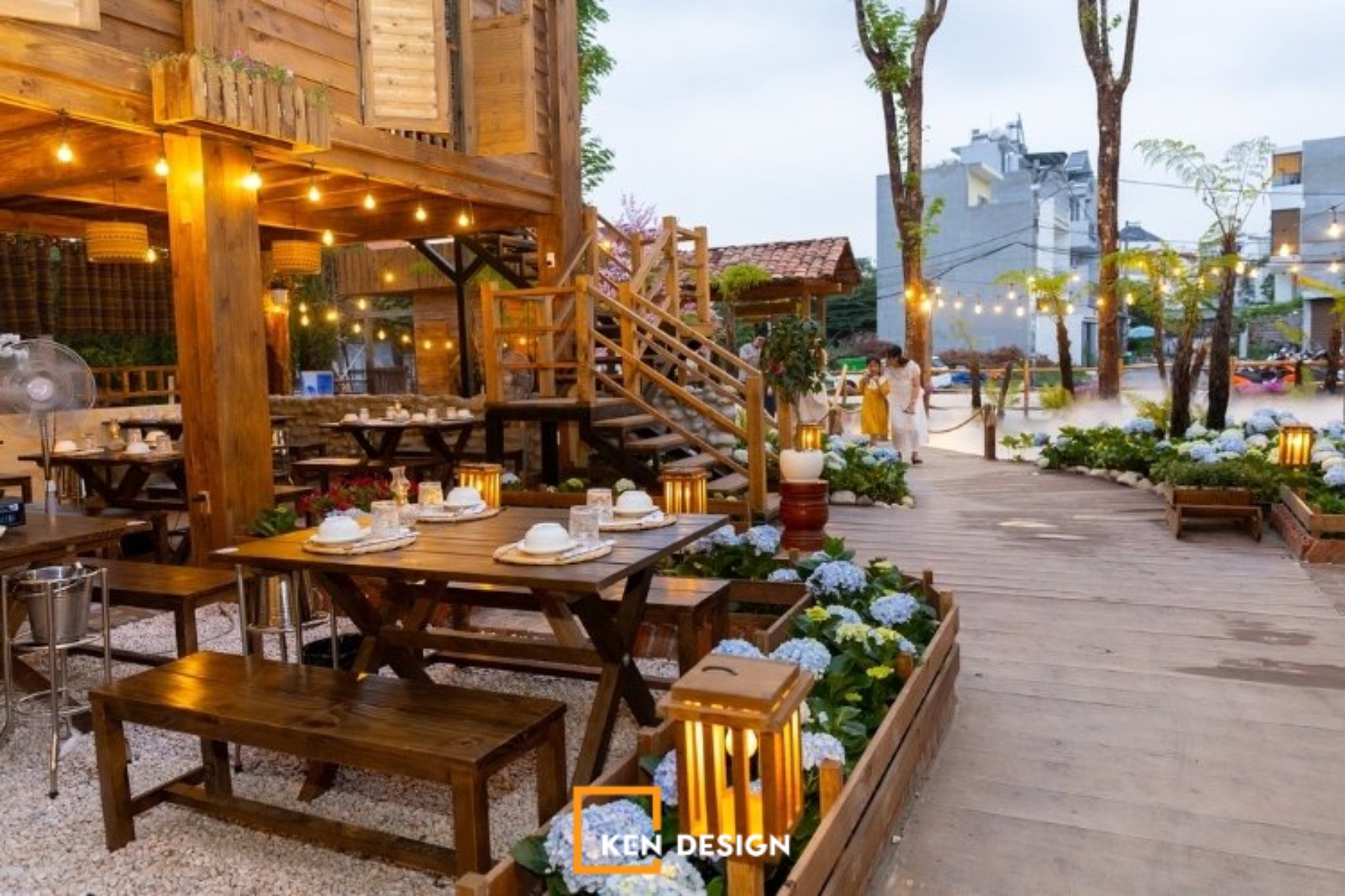
In addition, investors should prepare an initial budget for food ingredients, spices, beverages, and other supplies. Establishing reliable suppliers is particularly important when sourcing regional specialties and traditional ingredients.
1.5. Staffing, Marketing, and Operating Costs
Beyond physical construction, investors need working capital to support the restaurant during its initial operating period.
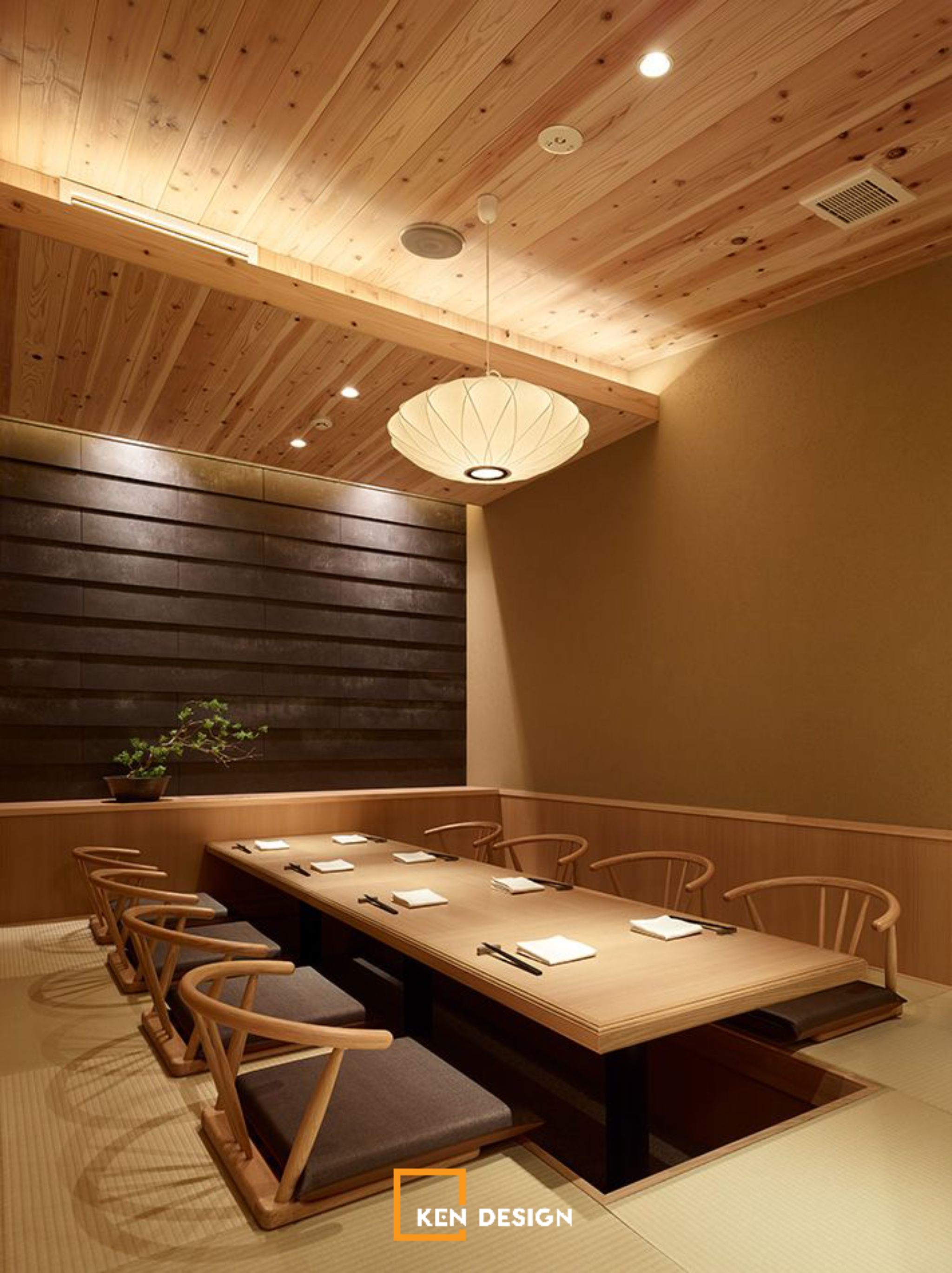
These expenses generally include:
-
Employee salaries and recruitment.
-
Food and beverage supplies.
-
Electricity, water, and internet.
-
Marketing and promotional campaigns.
-
Menu design, food photography, and social media content.
-
Cleaning, maintenance, and other operating expenses.
Having sufficient working capital helps the restaurant maintain stable operations while building its customer base.
1.6. Contingency Budget
Unexpected expenses may arise during renovation, construction, or the opening process. Material price changes, technical adjustments, and design modifications can all increase the initial budget.

Investors should therefore reserve a contingency fund based on the project's scale and complexity rather than allocating all available capital to planned expenses.
2. What Factors Affect Restaurant Investment Costs?
The investment cost of a Northwest Vietnamese restaurant is not fixed. Several factors determine how much capital an investor needs.
2.1. Restaurant Size and Location
Larger restaurants generally require more construction materials, furniture, equipment, and staff. Meanwhile, locations in busy commercial areas may involve higher rental and renovation expenses.
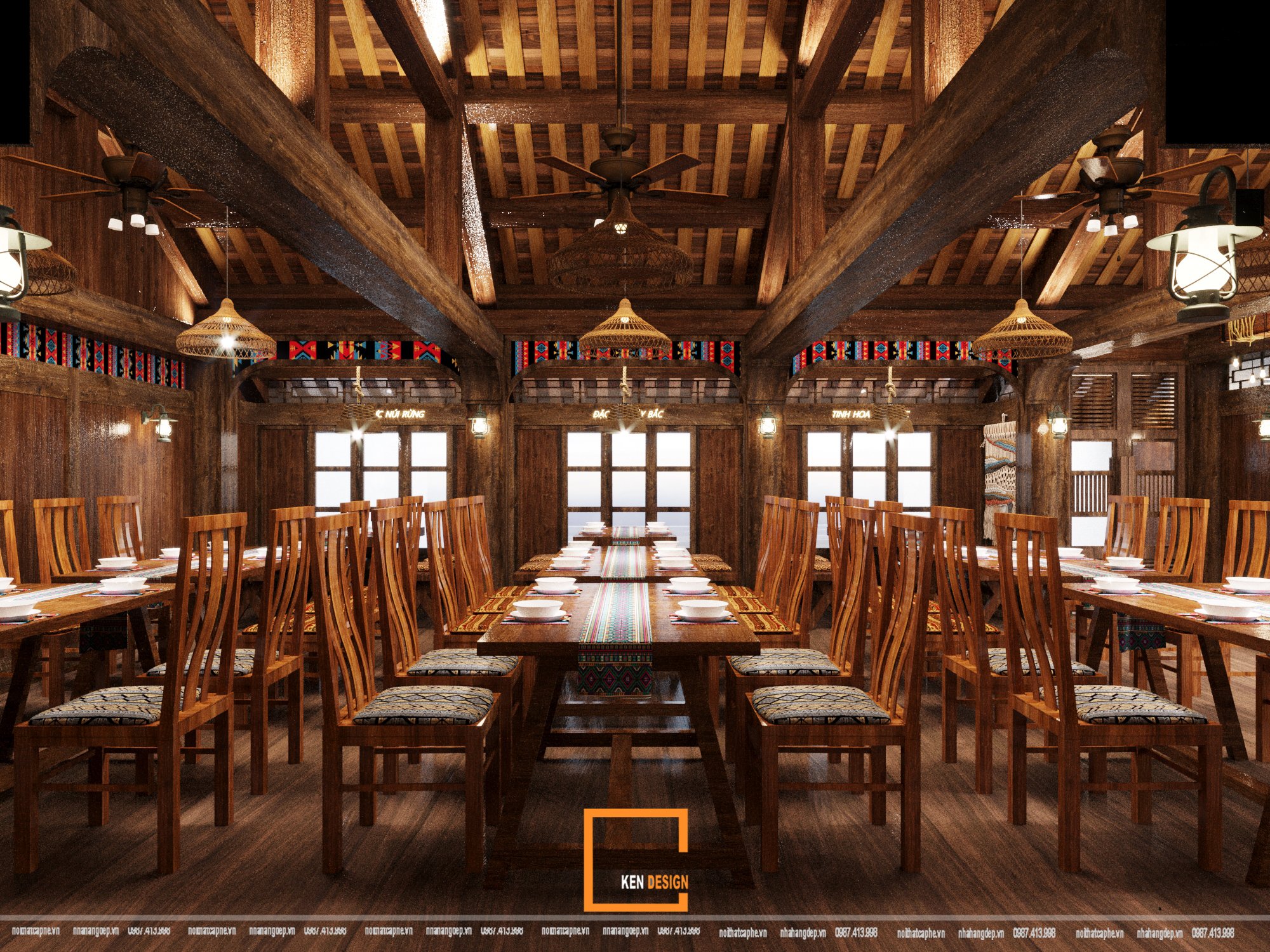
Investors should select a property that matches their target market and expected customer capacity instead of paying for unnecessary space.
2.2. Design Concept and Material Selection
A rustic restaurant using simple wooden furniture may require a different budget from a premium establishment featuring customized interiors and elaborate decorative details.
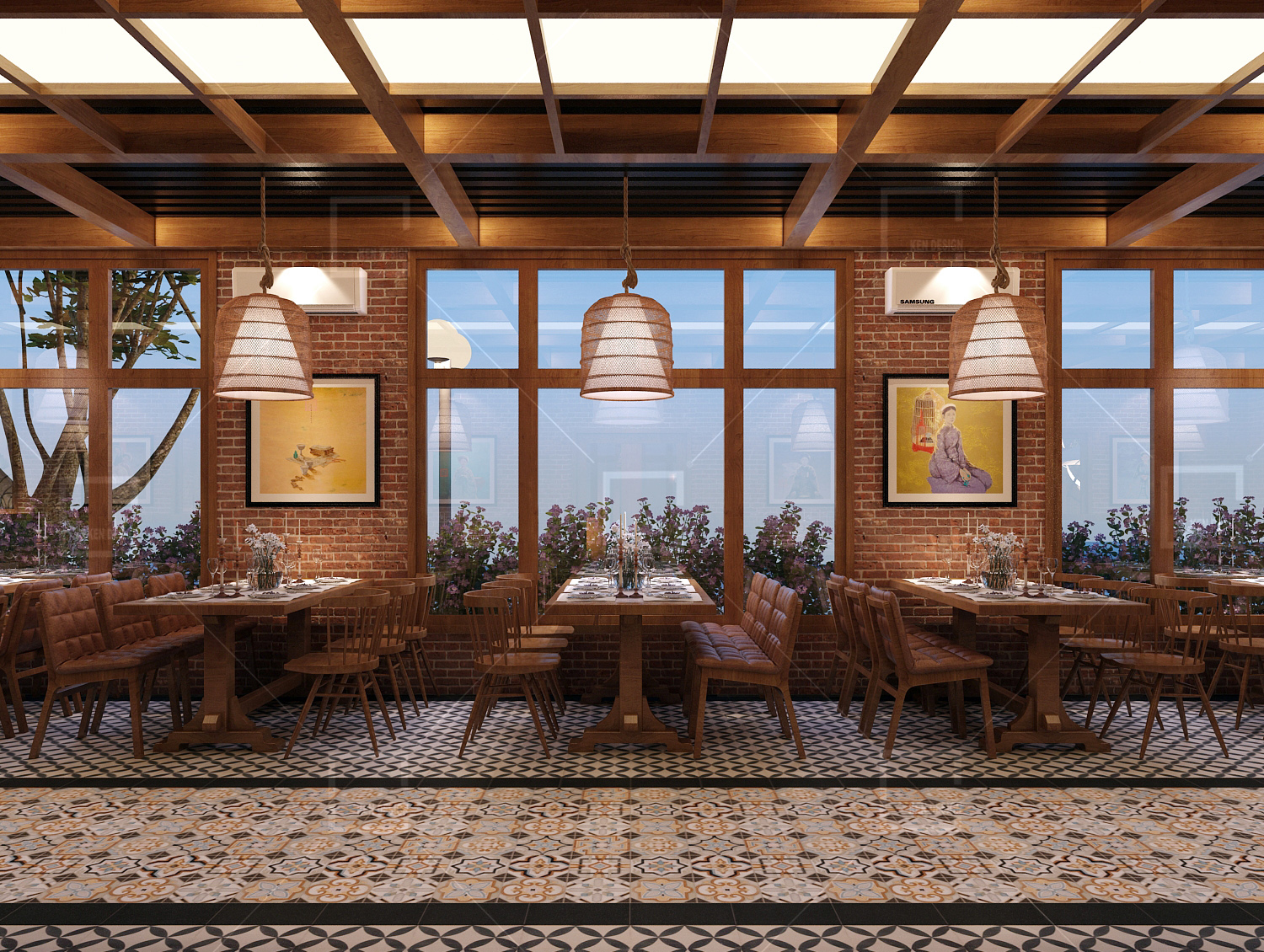
Material selection also affects long-term maintenance costs. Investors should prioritize durability and practicality, particularly in high-traffic areas and kitchen spaces.
2.3. Business Model and Service Capacity
A restaurant focusing on everyday dining may have different investment requirements from one specializing in private dining, group events, or premium customer experiences.
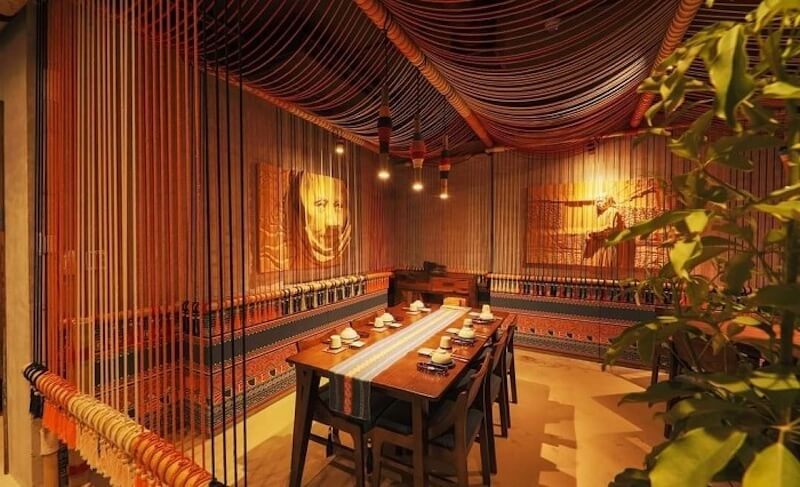
The number of seats, service style, menu complexity, and operating hours all influence the required equipment, staffing, and working capital.
3. How to Optimize Your Northwest Vietnamese Restaurant Investment Budget
Managing investment costs effectively does not mean choosing the cheapest options. It means allocating capital to the areas that contribute most to business performance.
3.1. Prepare a Detailed Financial Plan
Divide the total budget into clear categories, including premises, design, construction, equipment, and operating expenses.
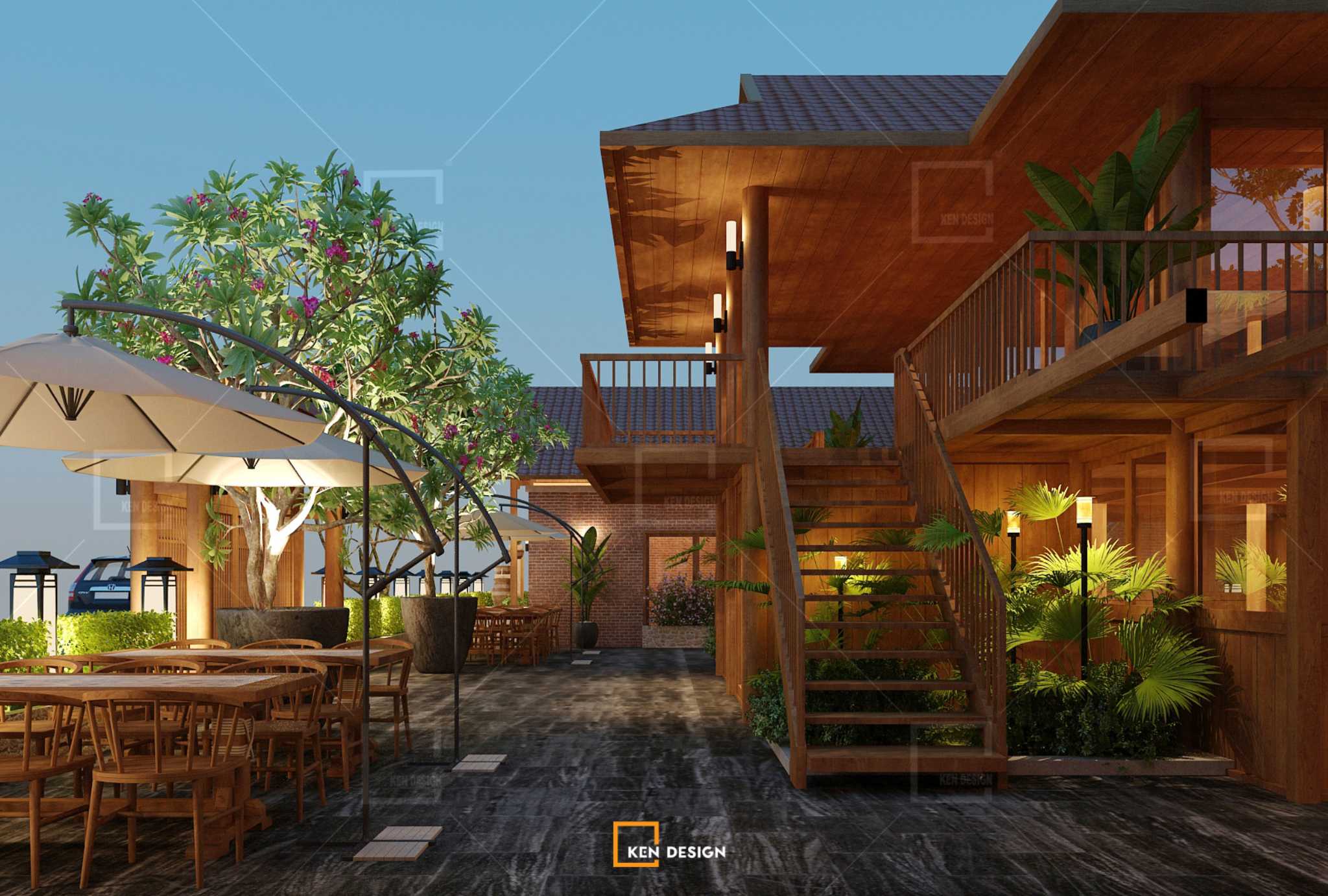
This allows investors to monitor spending and identify potential budget overruns before they become serious problems.
3.2. Prioritize Essential Investments
Focus on functional layouts, durable materials, kitchen equipment, and customer comfort before spending heavily on decorative features.
A well-organized restaurant can operate more efficiently while still maintaining an attractive interior.
3.3. Choose Materials Strategically
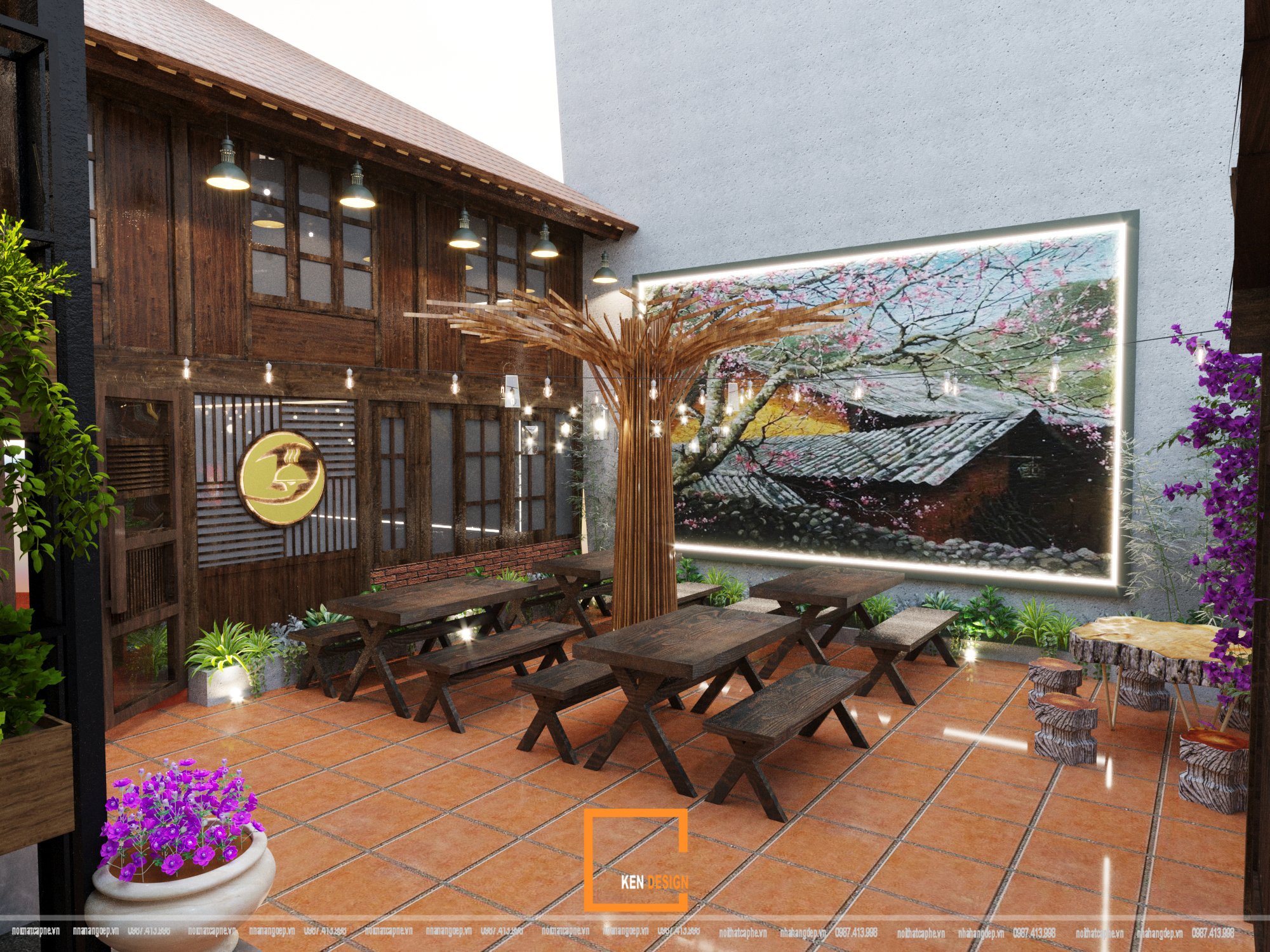
Combine different materials to achieve the desired Northwest Vietnamese aesthetic without unnecessary expenses. Natural materials can be reserved for prominent areas, while more affordable alternatives can be used where appropriate.
3.4. Work with a Professional Design and Construction Company
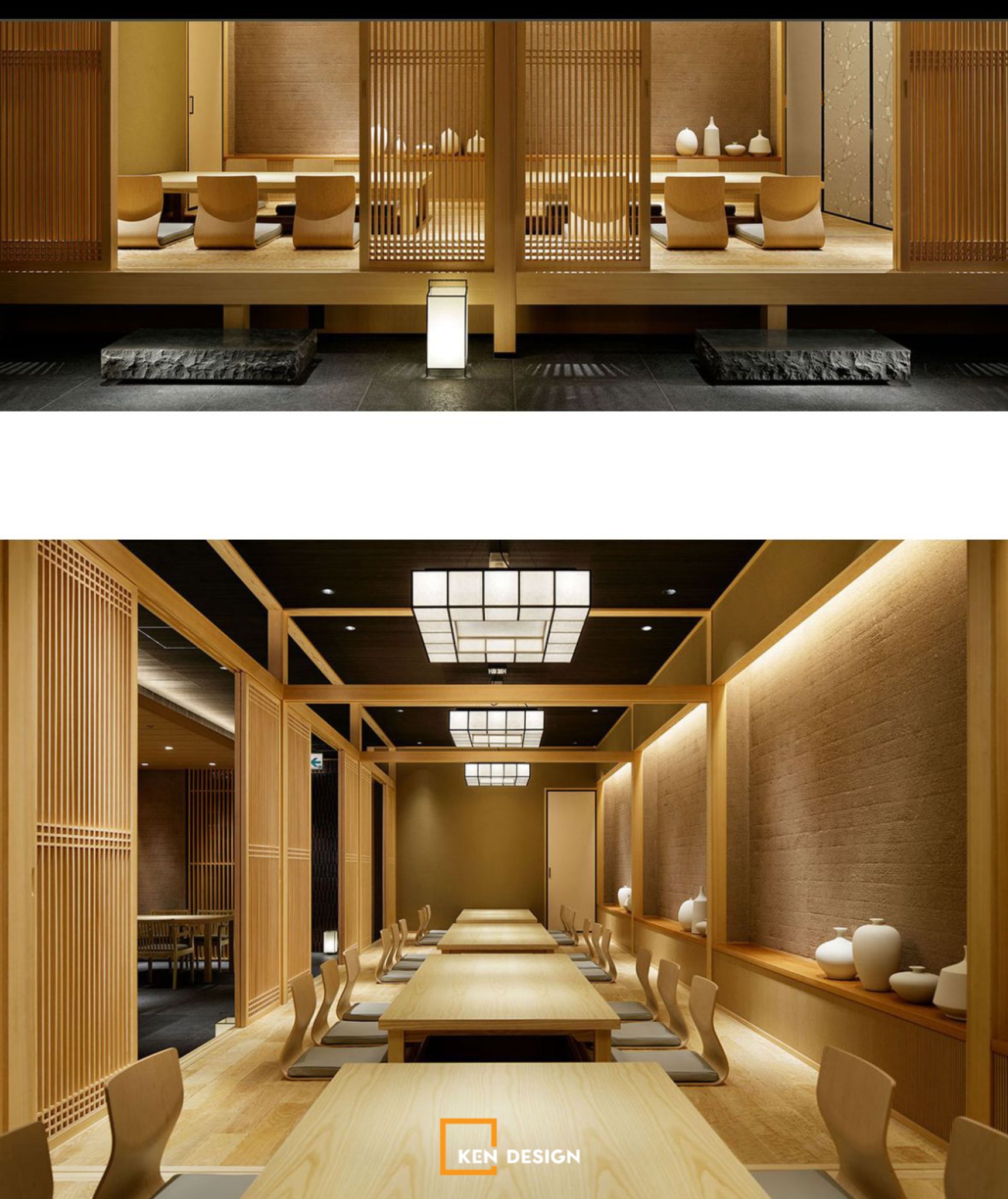
Coordinating design and construction helps reduce inconsistencies between technical drawings and actual implementation.
A professional partner can also help investors select suitable materials, optimize layouts, and develop solutions that align with their available budget.
4. Kendesign – Professional Restaurant Design and Construction Solutions
A successful Northwest Vietnamese restaurant requires a balance between investment efficiency, functional design, and a distinctive customer experience.
Kendesign specializes in designing and constructing F&B spaces, helping investors transform business ideas into practical restaurant environments.
From initial concept development and space planning to material selection and construction, Kendesign focuses on creating coordinated solutions that match each project's requirements and investment budget.
Planning to open a Northwest Vietnamese restaurant? Contact Kendesign to discuss your project and explore a suitable design and construction solution.
A well-planned investment from the beginning can help minimize unnecessary expenses and create a strong foundation for long-term business growth.