Executing a youthful coffee shop design does not require investing billions of VND in lavish interiors. Many young operators start with modest capital yet successfully create photogenic, memorable spaces that drive repeat visits and organic check-ins. The key lies in strategic capital allocation - investing precisely where it matters while eliminating unnecessary expenses.
1. Understanding Young Patrons Before Capital Allocation
Before selecting paint palettes or purchasing furniture, it is essential to define the precise needs of your target demographic. Younger patrons typically prioritize three core elements: comfortable seating for studying and working, aesthetically pleasing photo-worthy spots, and conveniently accessible power outlets. By establishing clear priorities, operators can avoid misallocating capital toward features that patrons rarely notice.
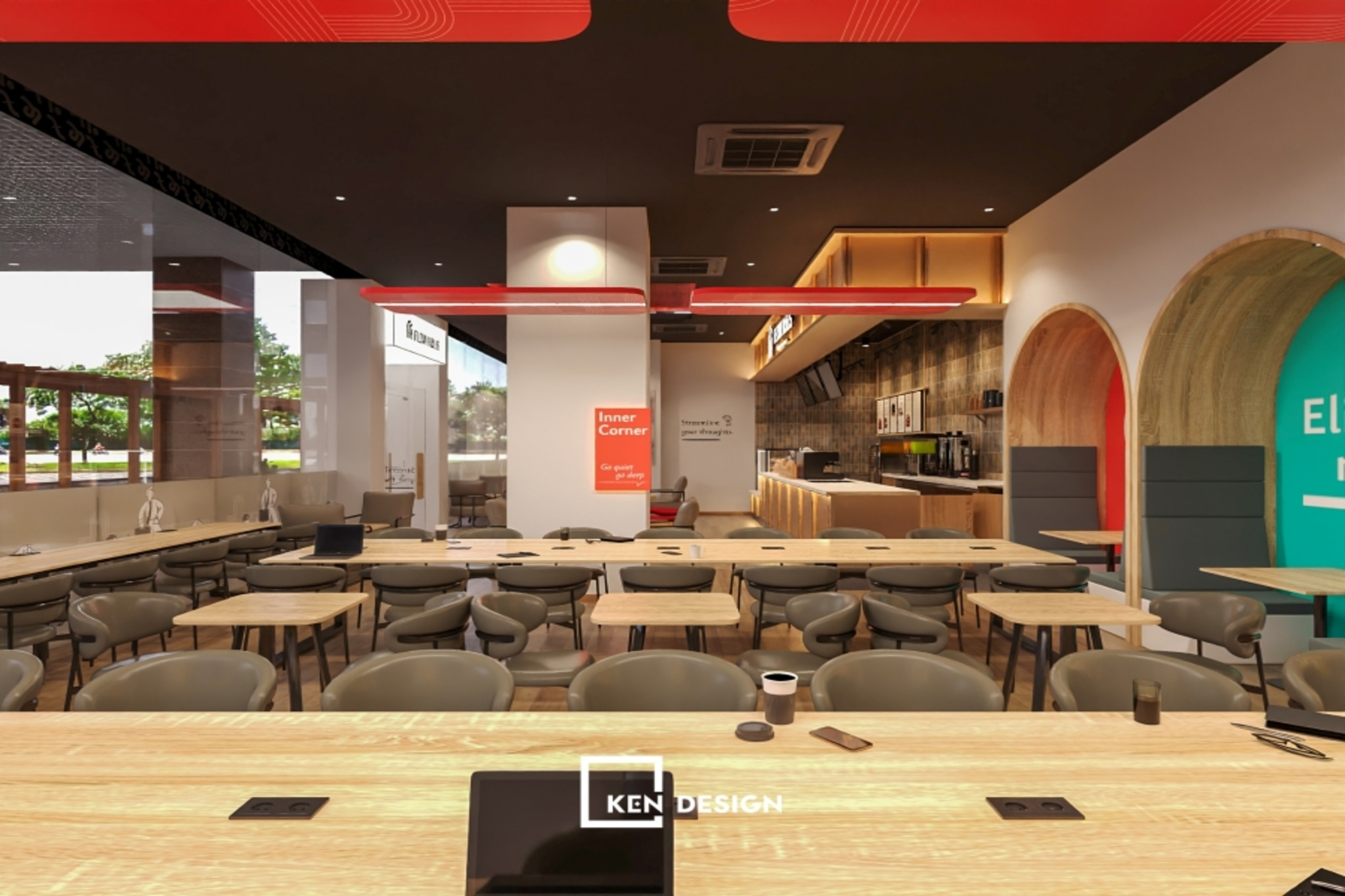 In the design concept above, the long light wood table equipped with flush in-counter power outlets seamlessly caters to both study groups and individual remote workers. A single continuous communal table typically optimizes floor space far more efficiently than multiple small, scattered tables - making it an exceptionally practical solution for low-budget coffee shops.
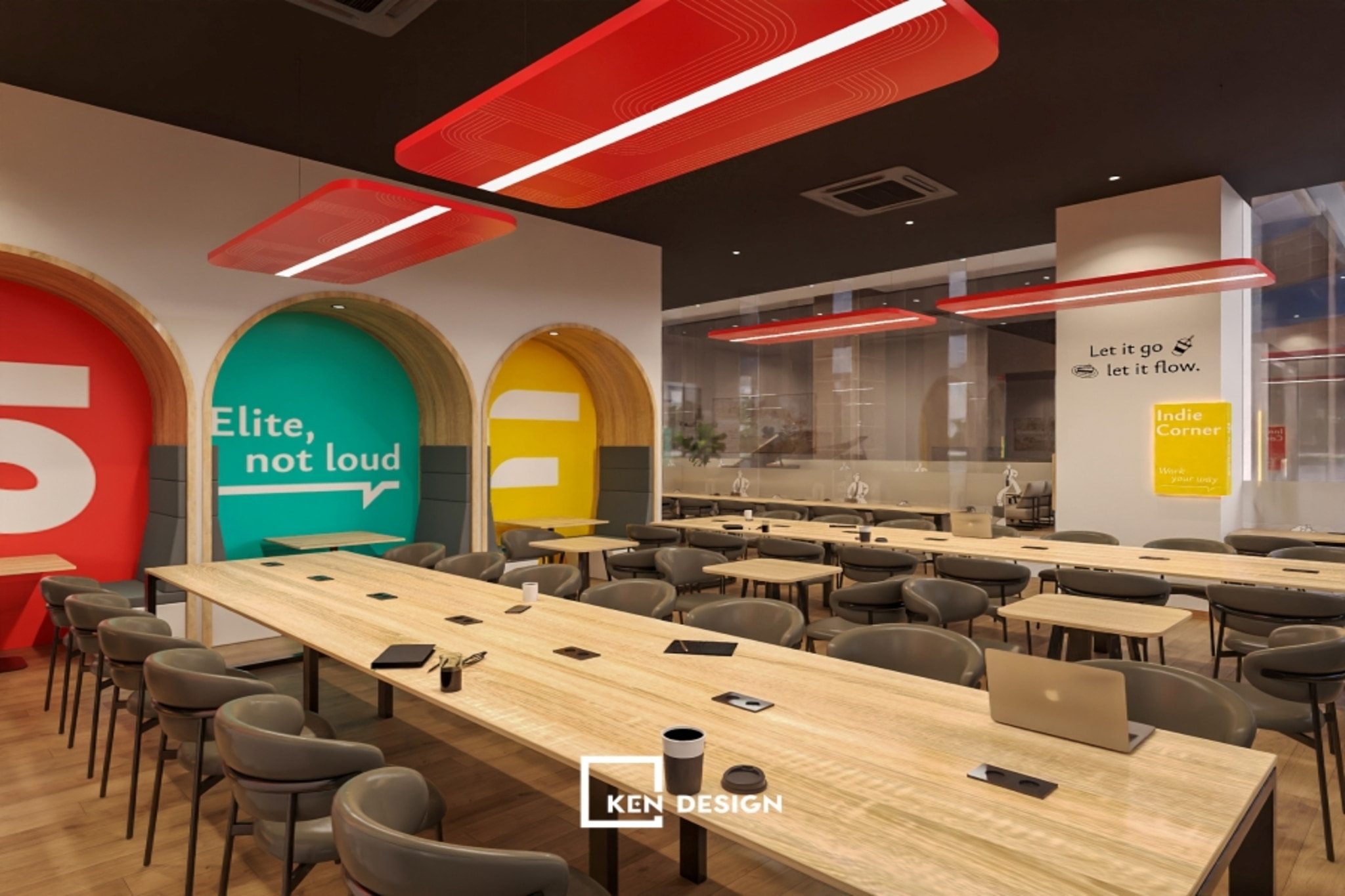 Boldly painted accent walls paired with large graphic slogans offer an exceptionally effective way to establish brand identity. The primary cost for this feature lies in surface painting labor and graphic design expertise rather than expensive material investments.
2. Core Principles of Low-Cost Coffee Shop Design
Leveraging Existing Structures & Exposed Utility Ceilings
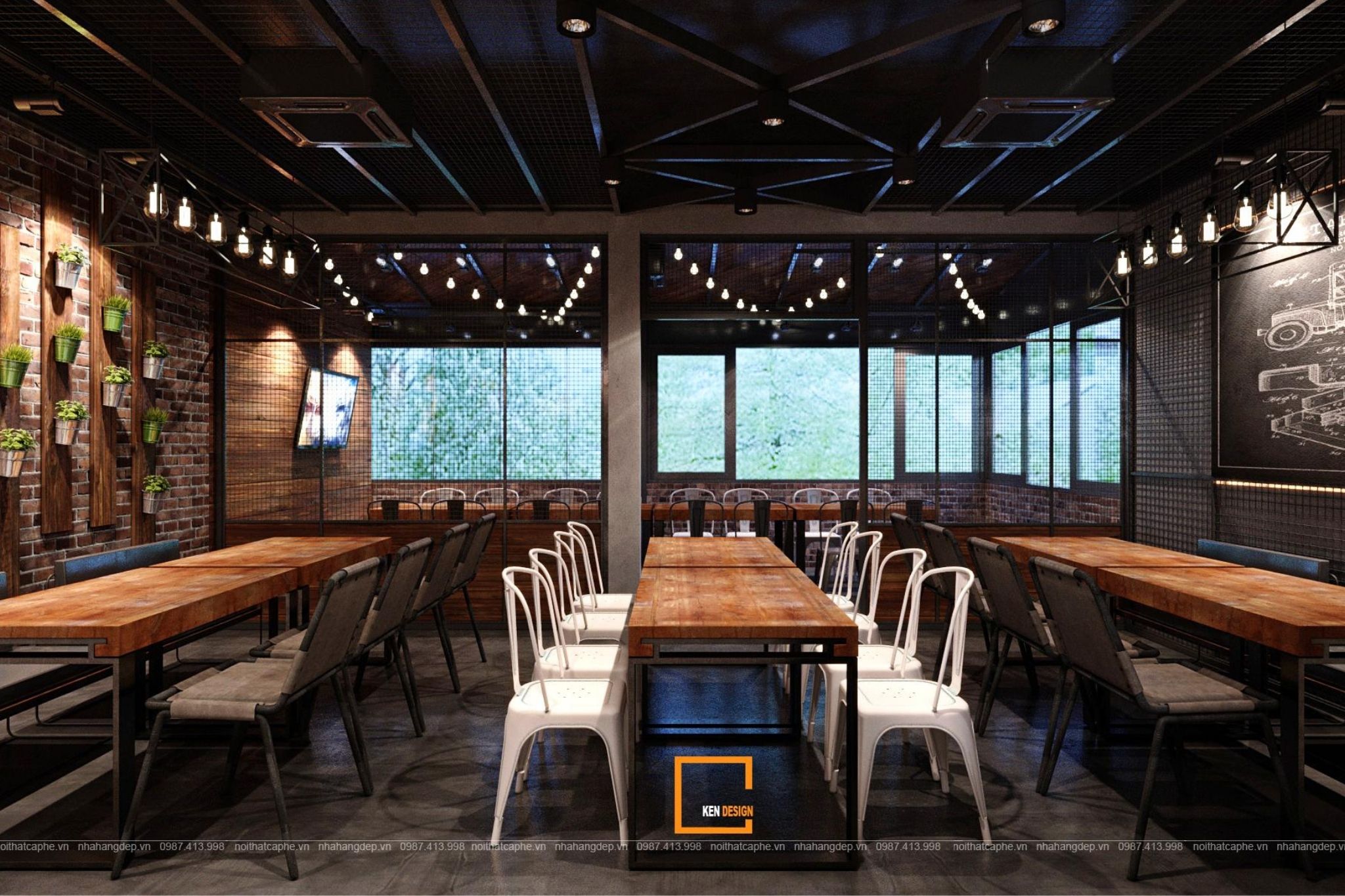
One of the most effective cost-saving strategies in low-cost coffee shop design is avoiding the urge to conceal every structural element. Rather than installing continuous dropped ceilings, you can coat the exposed utility piping and ductwork in a uniform matte black finish and mount track lighting systems directly overhead. This industrial aesthetic not only aligns perfectly with current youth trends but also significantly reduces drywall construction line items.
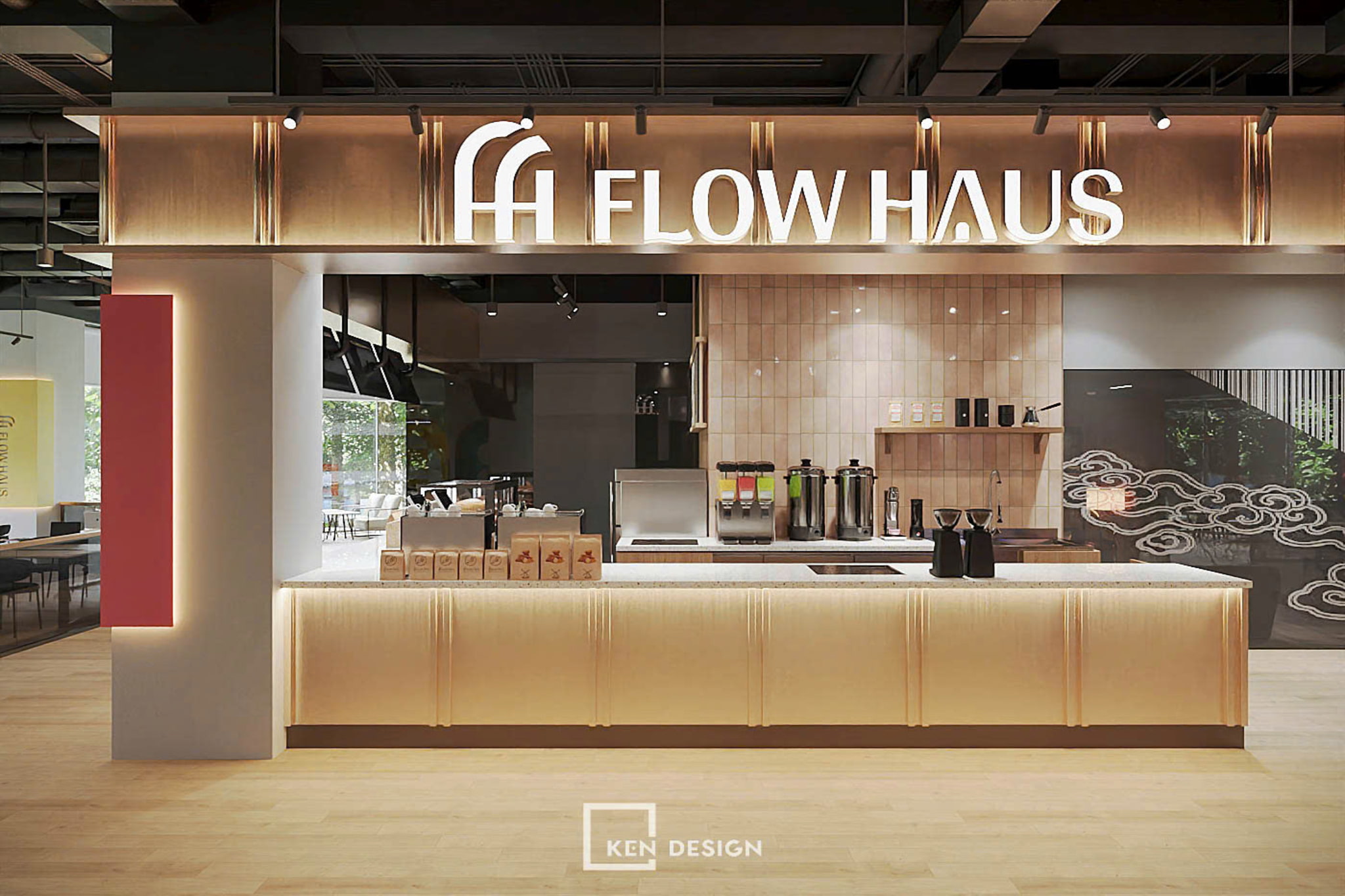
The light-toned bar counter creates a striking visual contrast against the dark, exposed black ceiling. By focusing capital investment primarily on the service counter and primary brand signage, operators can keep surrounding elements clean, minimal, and budget-friendly without sacrificing visual impact.
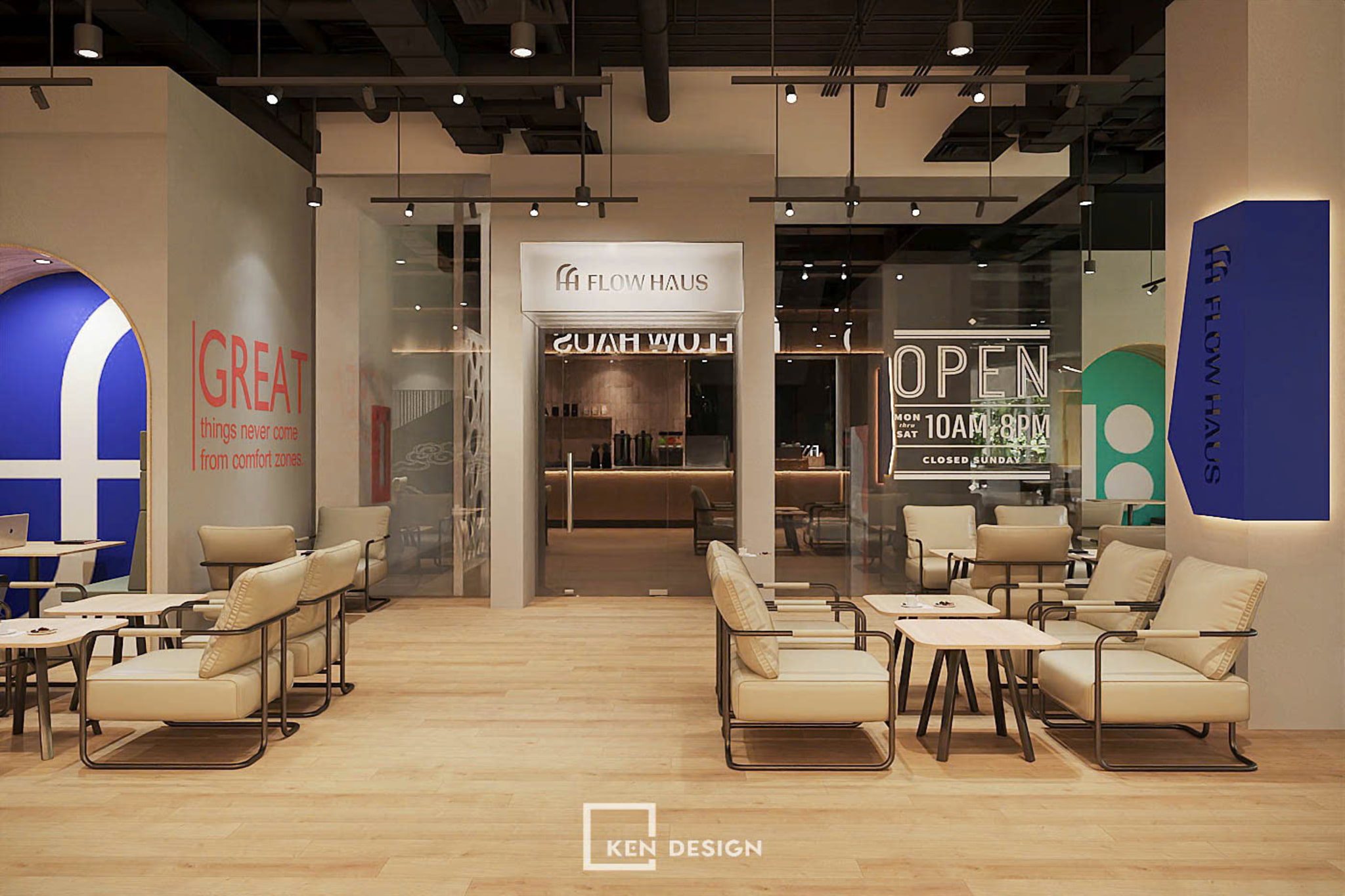
Prioritizing Raw Materials, Wood, and Stone for a Warm, Authentic Ambience
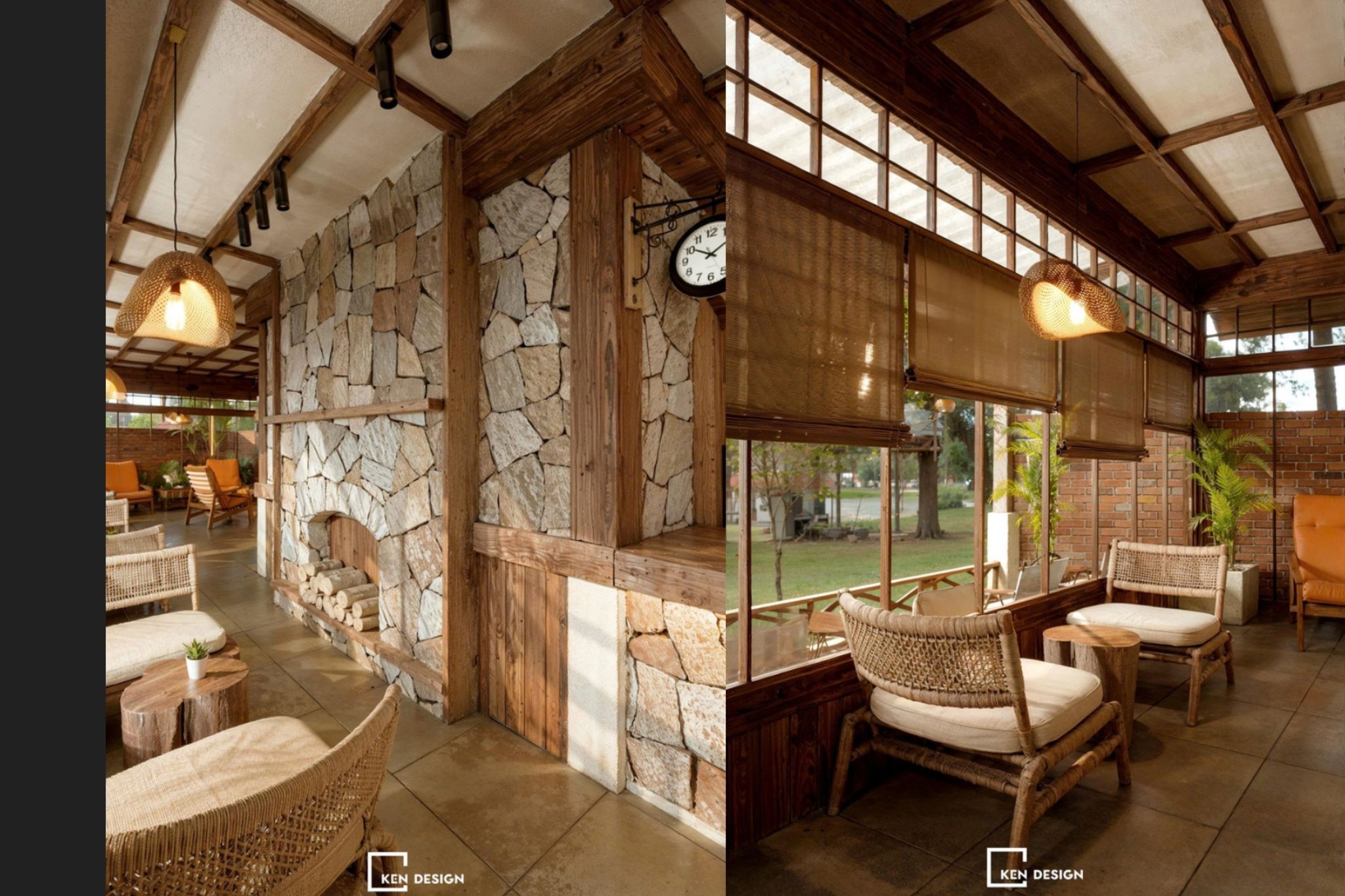
Raw materials such as natural stone, timber, exposed brick, and rattan weaving are both locally accessible and exceptionally effective at fostering a warm, welcoming atmosphere. A feature wall adorned with stacked natural stone, paired with timber ceiling beams and handcrafted rattan chairs, endows the space with character and soul without requiring excessive decorative clutter.
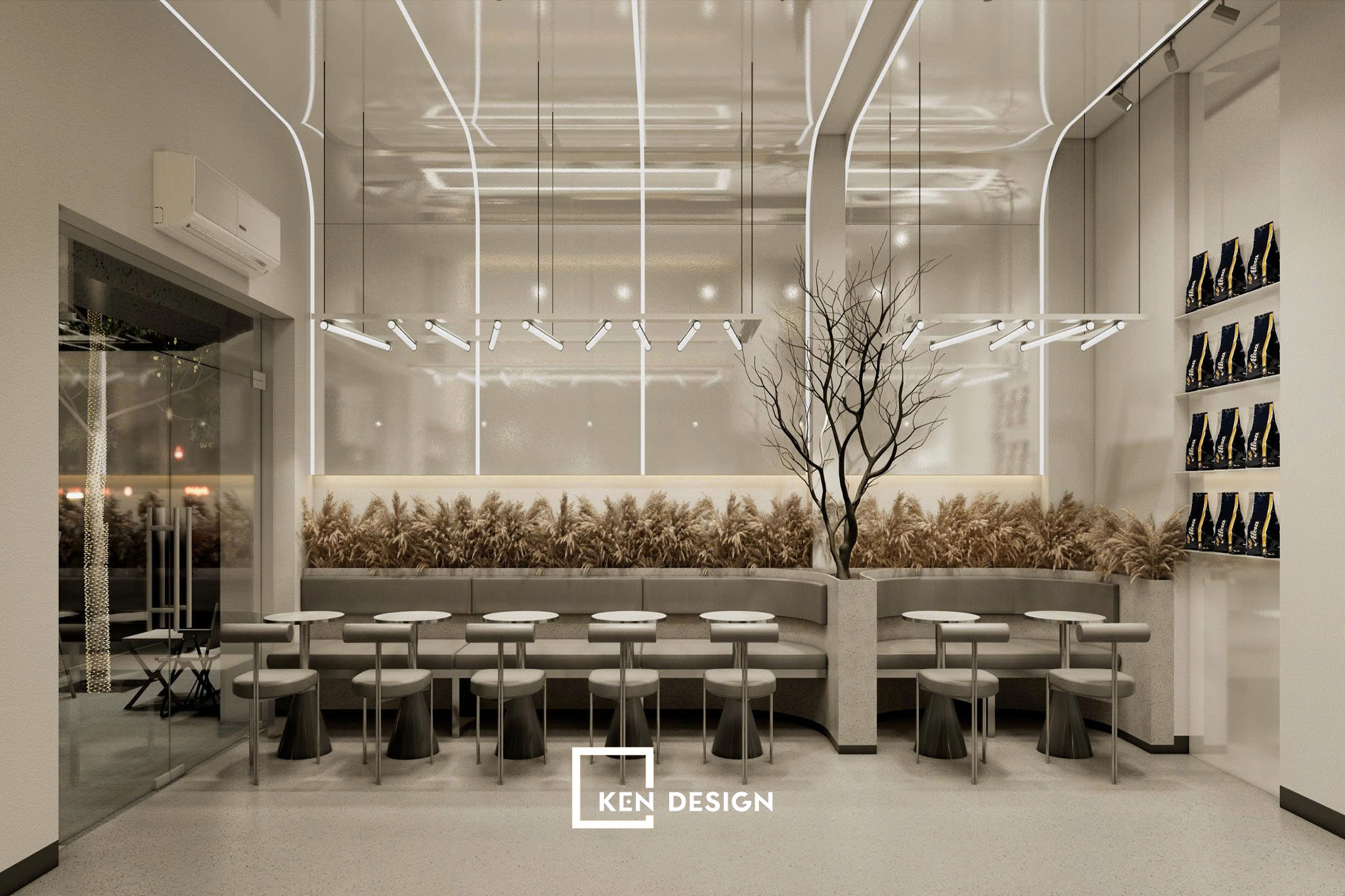
 Decorating a coffee shop with dried pampas grass, dried tree branches, or a few simple potted plants offers a highly cost-effective interior solution. By arranging them along a brightly colored feature wall, you can effortlessly create an appealing photo-worthy spot without purchasing expensive decorative items.
 Applying Bold Colors on Targeted Accent Areas
Instead of saturating the entire coffee shop in intense shades, select targeted areas - such as a section of the ceiling, structural columns, or a single feature wall - to introduce high-contrast bold colors. Keep the remaining surfaces in neutral white tones and light wood finishes. This strategy establishes a strong visual identity without overwhelming the space or visual capacity of patrons.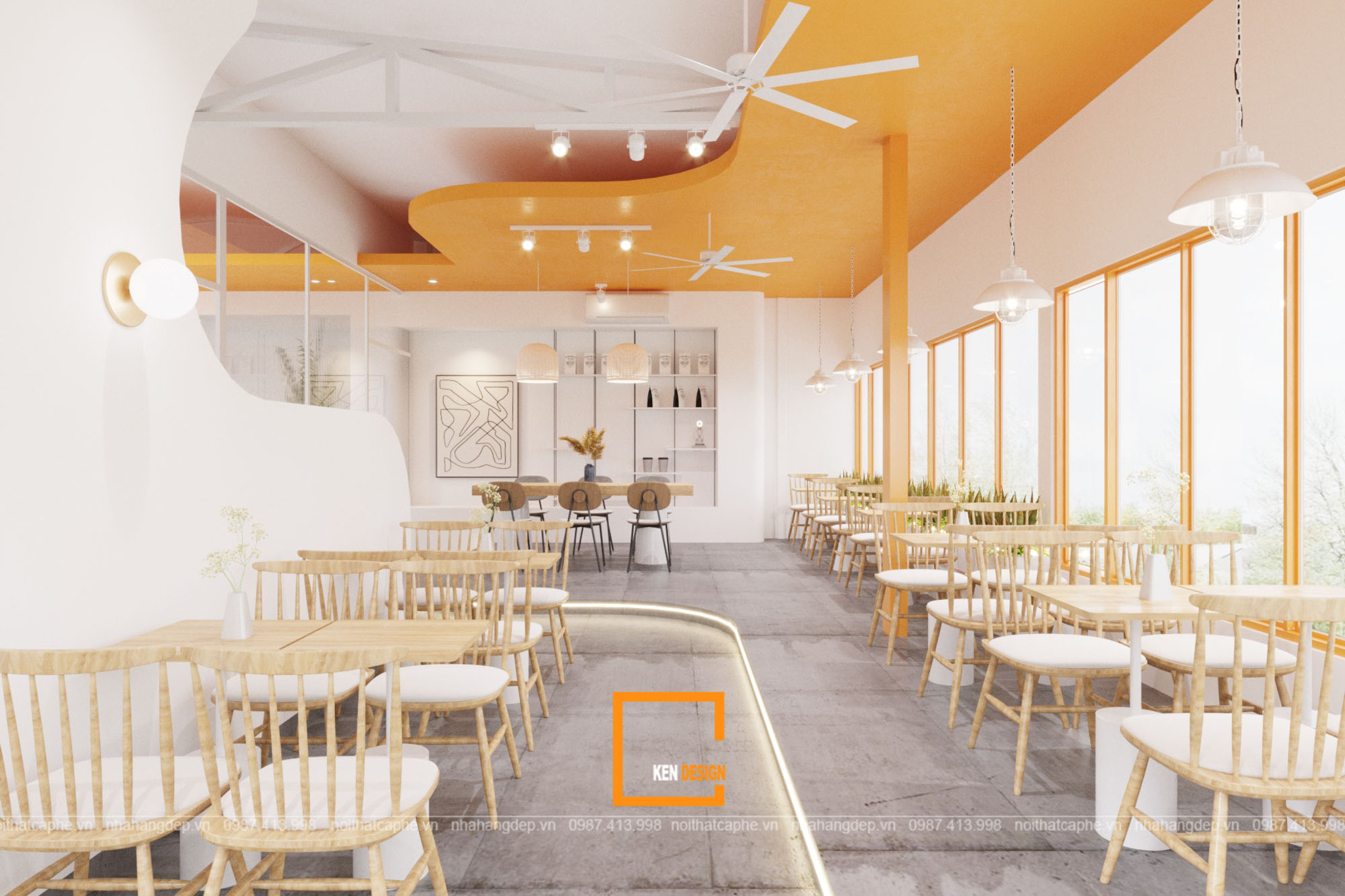 In the design concept above, a curved orange ceiling panel combined with structural columns and window frames in the same vibrant tone is enough to define the entire character of the space. Meanwhile, light wood furniture and clean white walls keep the overall aesthetic balanced, bright, and effortless.

3. Lighting and Greenery: Low-Cost Decor Techniques for Coffee Shops
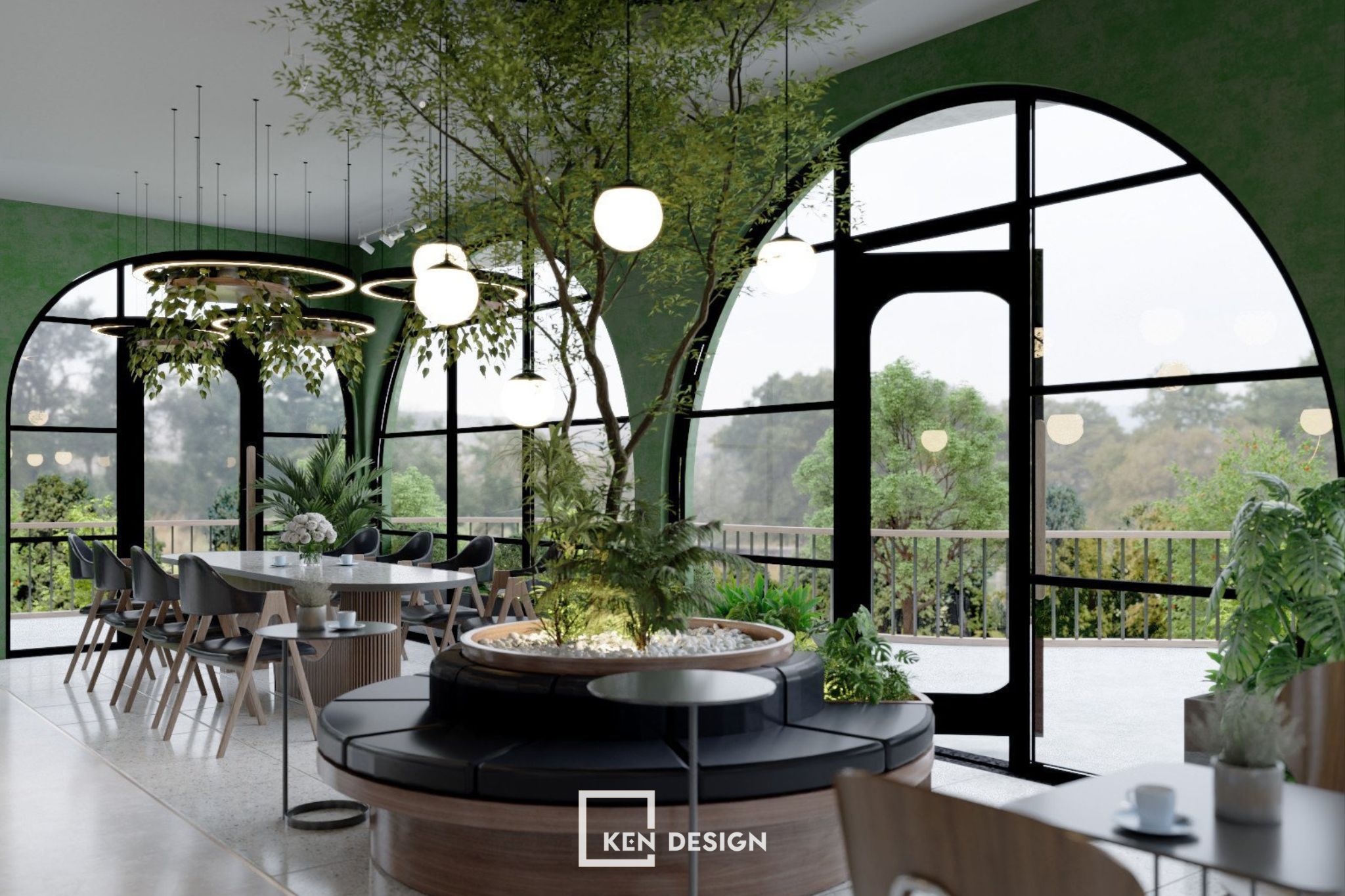
Lighting and greenery serve as the quickest elements to establish ambient atmosphere without demanding a heavy budget. A single prominent pendant light suspended over a central area, combined with a few large potted plants, is sufficient to add noticeable spatial depth. Furthermore, if the venue features expansive glass windows, maximizing natural daylight during daytime hours and using lightweight window shears or blinds offers effortless light control.
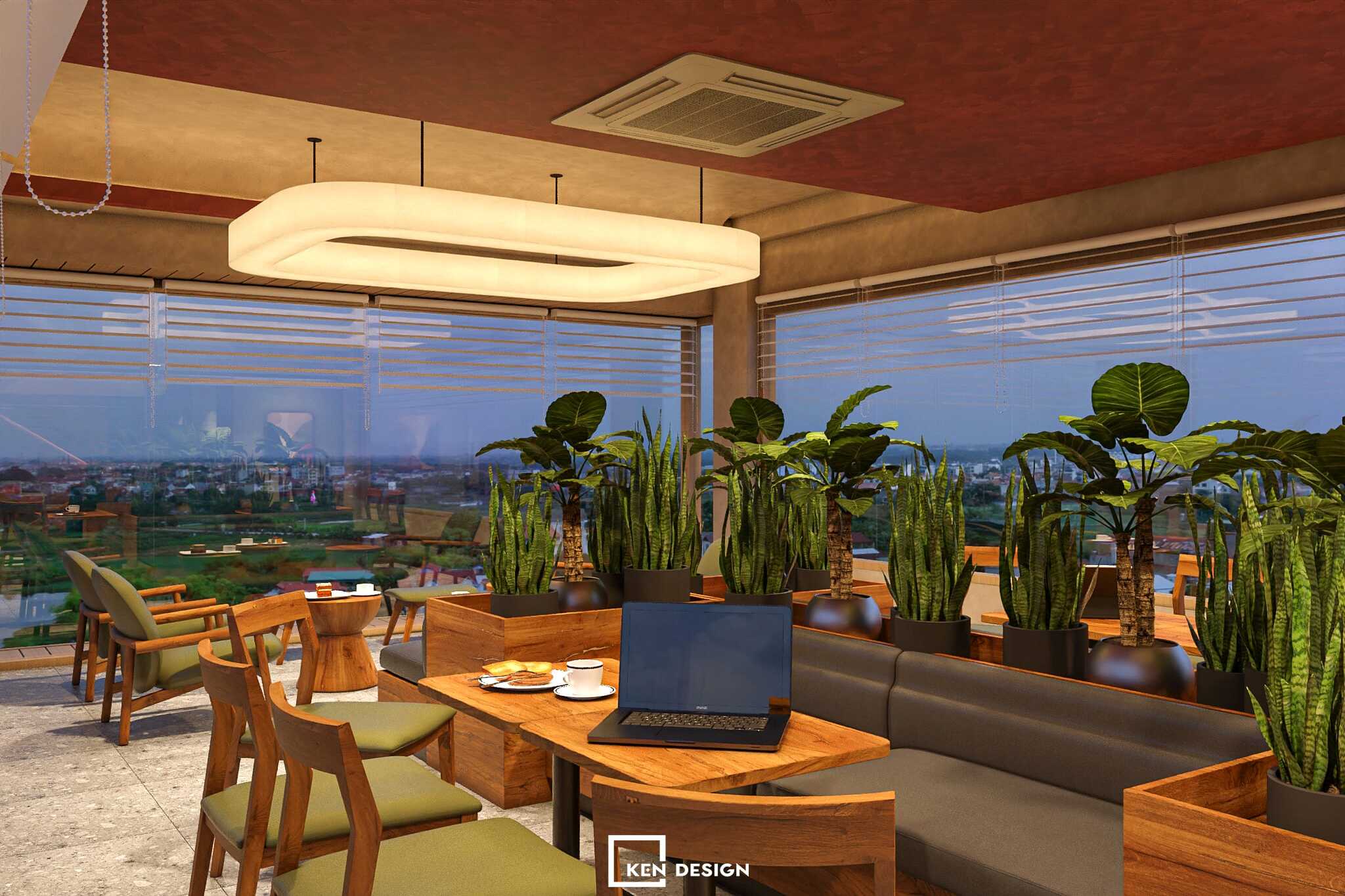 In this design layout, a large central tree positioned within a rounded planter island, paired with a hanging globe pendant light, creates an immediate visual focal point. Large arched glass windows maximize natural daylight, significantly reducing the reliance on costly decorative lighting fixtures.
 4. Efficient Layout Planning: Maximizing Seating Capacity on a Lean Budget
An optimized floor plan enables you to maximize seating density without requiring additional square footage. Dividing the floor plate into three primary zones - group seating, duo seating, and single/individual workstations - ensures functional flexibility. Each zone must maintain clear circulation paths to streamline staff service and patron movement.
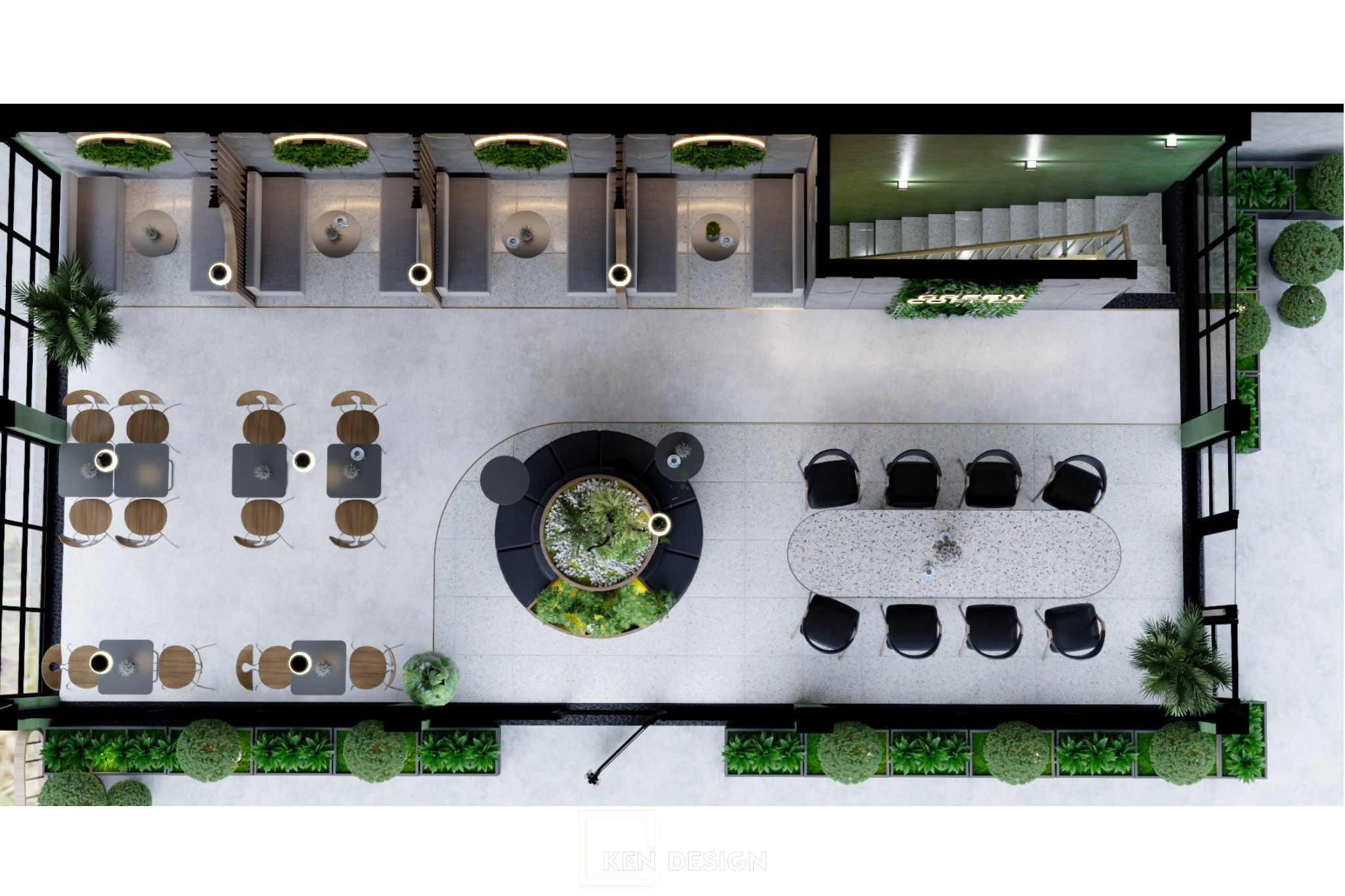 The floor plan above demonstrates a clean and compact spatial layout: wall-mounted continuous banquette seating along the perimeter, duo seating placed directly against the glazed storefront, with a large communal table and a central circular planter bench anchoring the middle zone. Every area retains its own distinct visual focal point while maintaining seamless, unobstructed circulation.
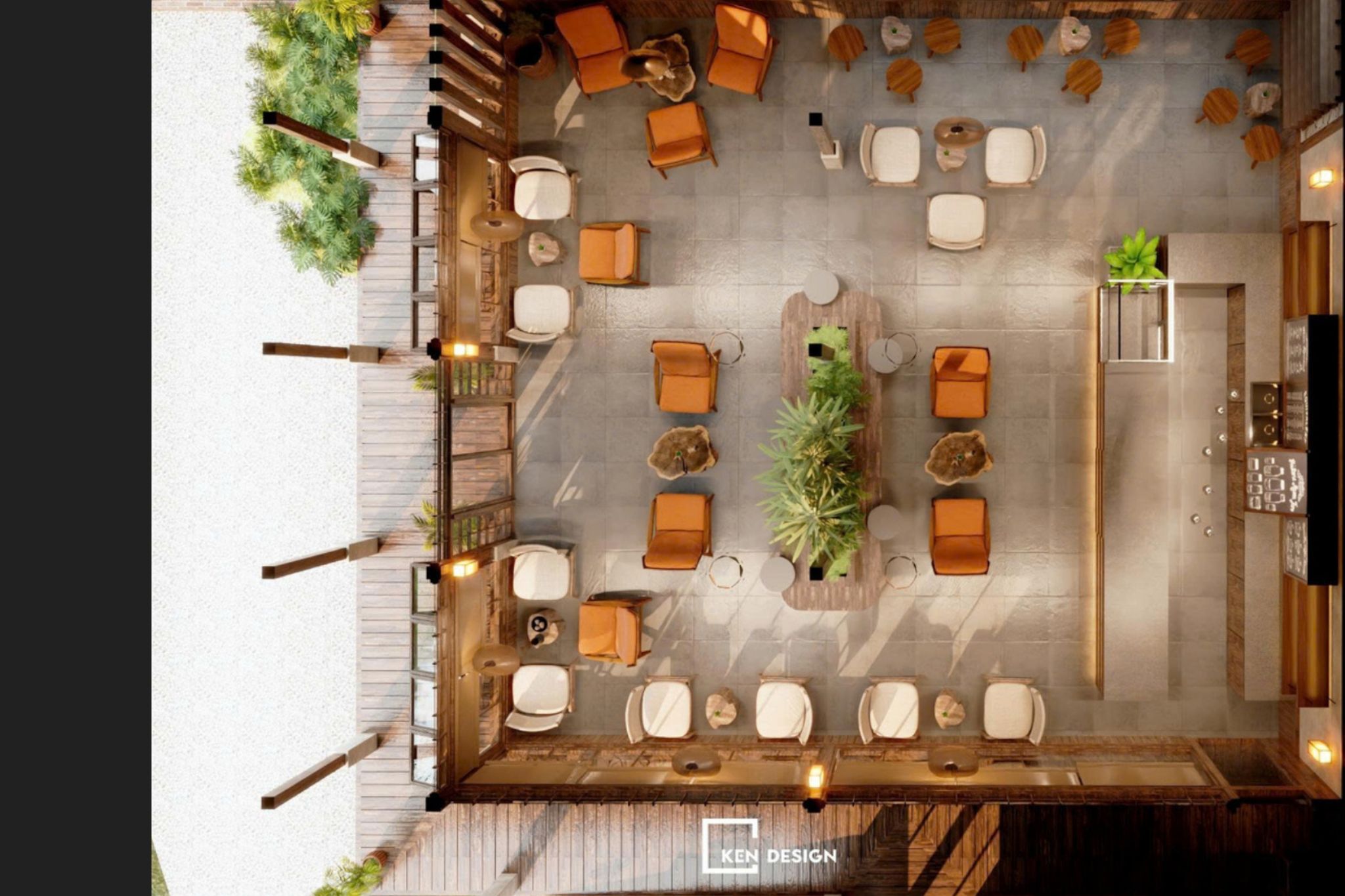 The second layout model features an elongated linear planter bed positioned at the center, surrounded by oriented armchairs. This spatial arrangement allows patrons to face multiple directions while establishing clearly defined sub-zones within the open space.
5. Leveraging Rooftops and Outdoor Spaces: Cost-Effective Capacity Expansion
Rooftops, balconies, and front porches frequently serve as the most lucrative seating zones during late afternoon and evening hours. Equipping these areas simply with large patio umbrellas, lightweight timber furniture, and a selection of potted flora allows you to expand guest capacity seamlessly without incurring heavy construction costs.
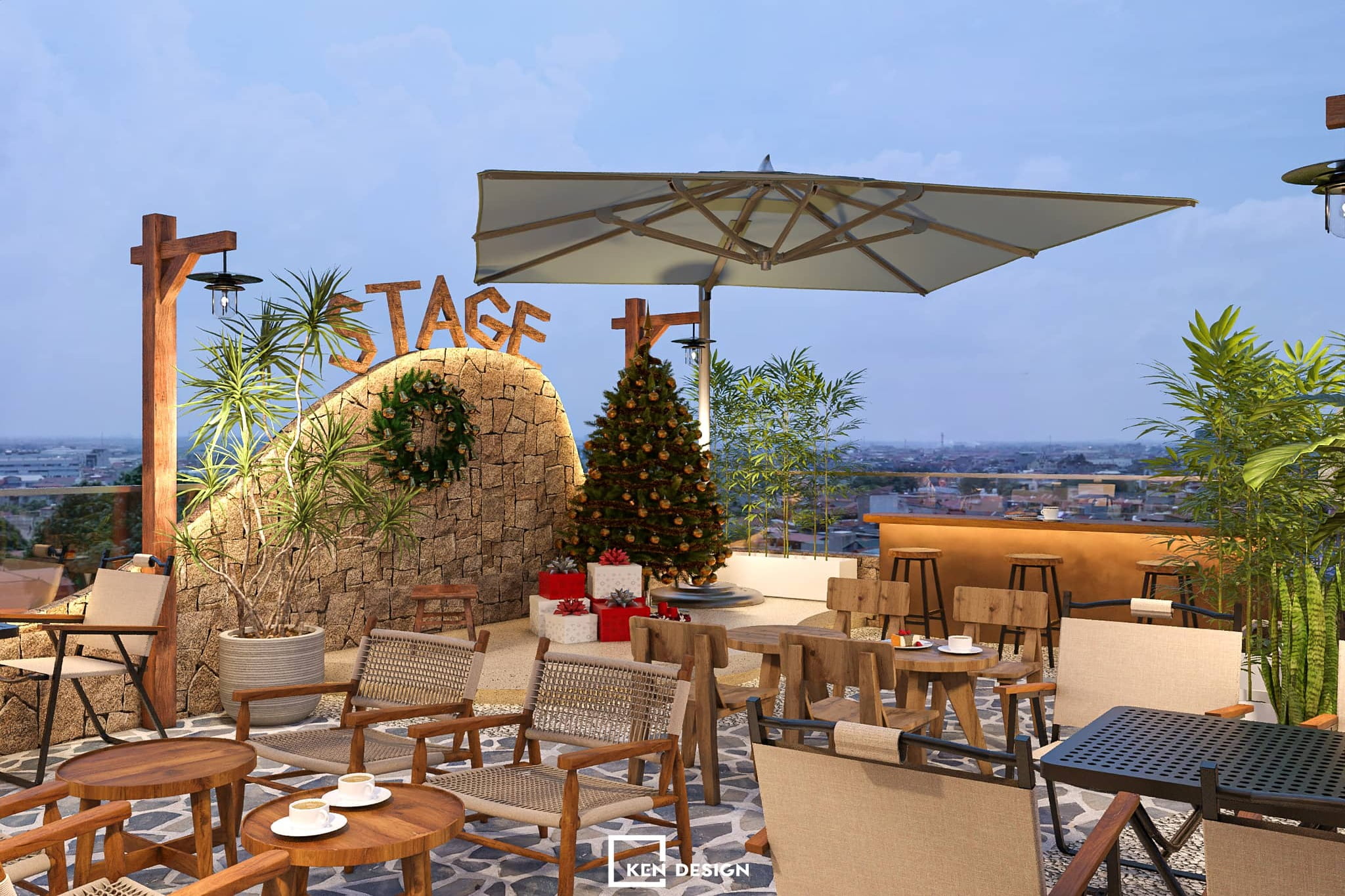 This rooftop layout integrates curved natural stone retaining walls, lush foliage, and cord-woven seating. The split-stone flooring creates organic patterns across the deck, eliminating the need for elaborate tile work.
 When night falls, string lights, wall sconces, and LED-strip patio umbrellas ensure the alfresco area remains warm and inviting. This offers an energy-efficient solution to craft a captivating evening atmosphere.
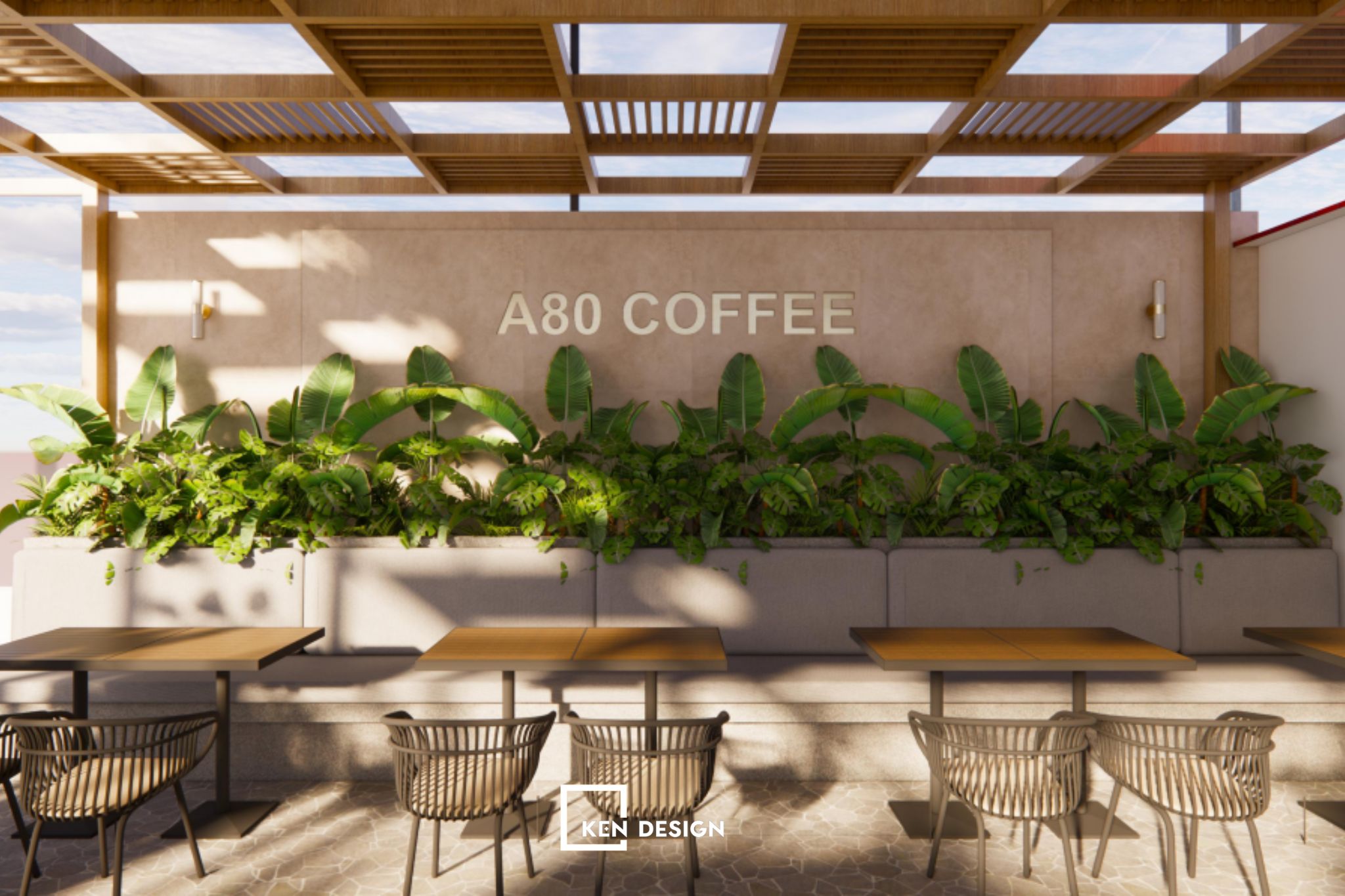 The simple overhead timber pergola provides solar shading while casting aesthetic shadow patterns, as perimeter foliage along the wall forms a natural backdrop for the venue's signage. This alfresco seating arrangement creates a highly photogenic setting that invites guest check-ins.
6. Common Pitfalls That Inflate Costs in Budget-Friendly Coffee Shop Projects
Purchasing Disjointed Furniture Without a Unified Concept: Mixing incompatible furniture styles creates visual clutter, often forcing costly redesigns and replacements down the road.
Overspending on Ceilings and Walls: Ceilings and non-focal walls receive minimal patron attention; keeping these finishes minimalist preserves capital for high-impact zones.
Neglecting Lighting Design: Even an impeccably designed space fails on camera without warm, well-layered lighting - forfeiting a crucial competitive edge with Gen Z patrons.
Overcrowding with Small Tables: An excess of small two-seaters consumes valuable floor area and restricts patron comfort. A balanced mix of communal long tables, duo seating, and integrated banquettes/sofas optimizes spatial efficiency.
Executing a youthful coffee shop design on a lean budget is fully achievable when you focus on strategic focal points, leverage existing structural conditions, and prioritize accessible materials. If you are seeking a trusted partner to guide your project from initial concept through to complete execution, contact KenDesign - a specialized coffee shop interior design and fit-out firm offering tailor-made solutions for various budget requirements.