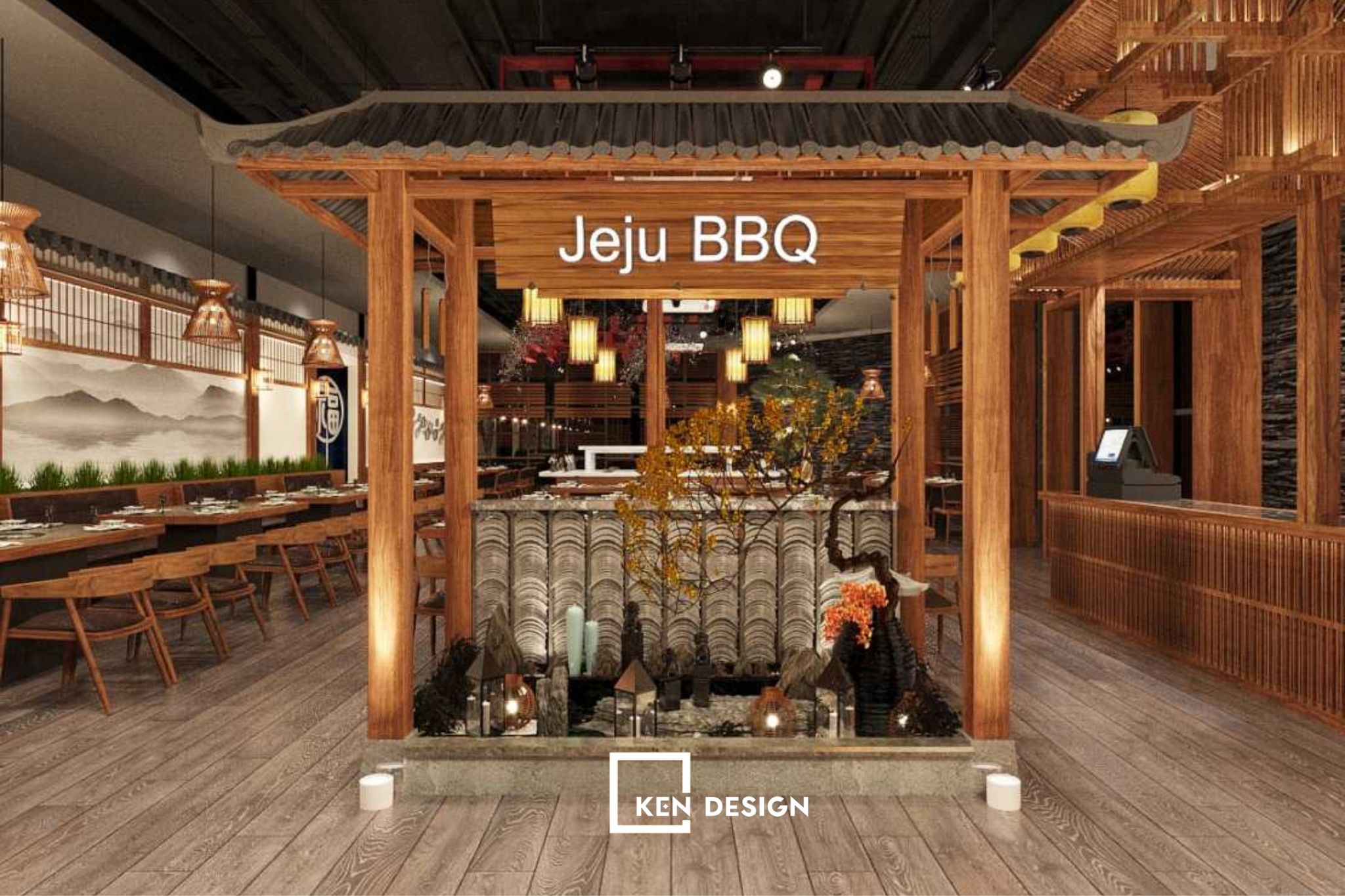
The integrated hotel and restaurant business model in prime tourist destinations continues to be a highly lucrative trend for investors. However, investing in island properties comes with significant challenges, especially regarding budget management. Without meticulous pre-construction planning, overall costs can skyrocket far beyond mainland estimates.
So, how can investors build an aesthetically striking, durable structure with seamless operational flow while keeping capital expenditure under control? Let’s explore Kendesign’s expert guide to cost-effective island hotel and restaurant design!
1. Why Do Island Hotel and Restaurant Projects Suffer Cost Overruns?
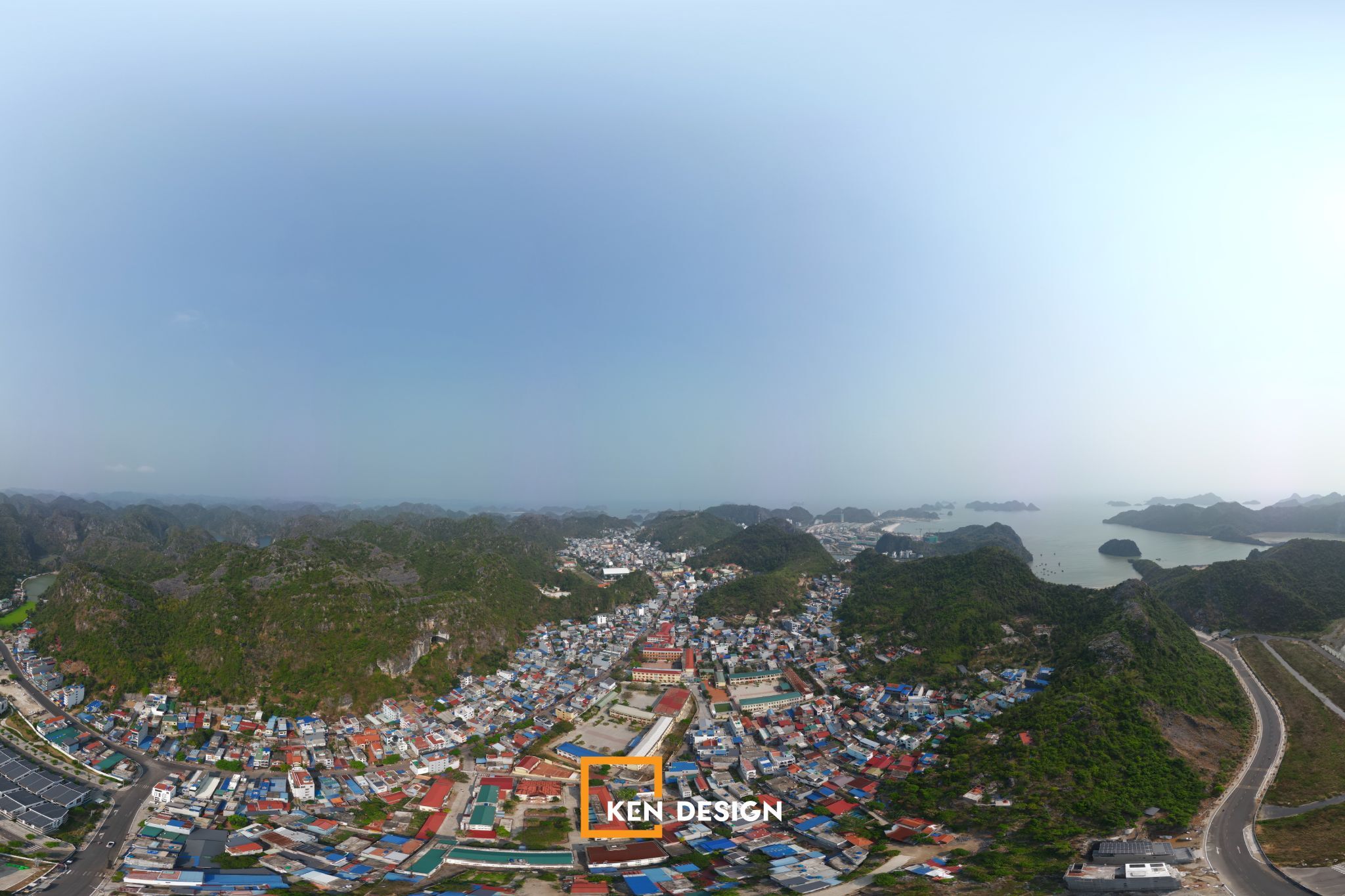
Investing in coastal or island projects can quickly turn into a financial gamble if developers overlook local environmental realities. Construction costs on islands often exceed original budgets due to two main factors:
1.1. Transportation and Logistics Challenges
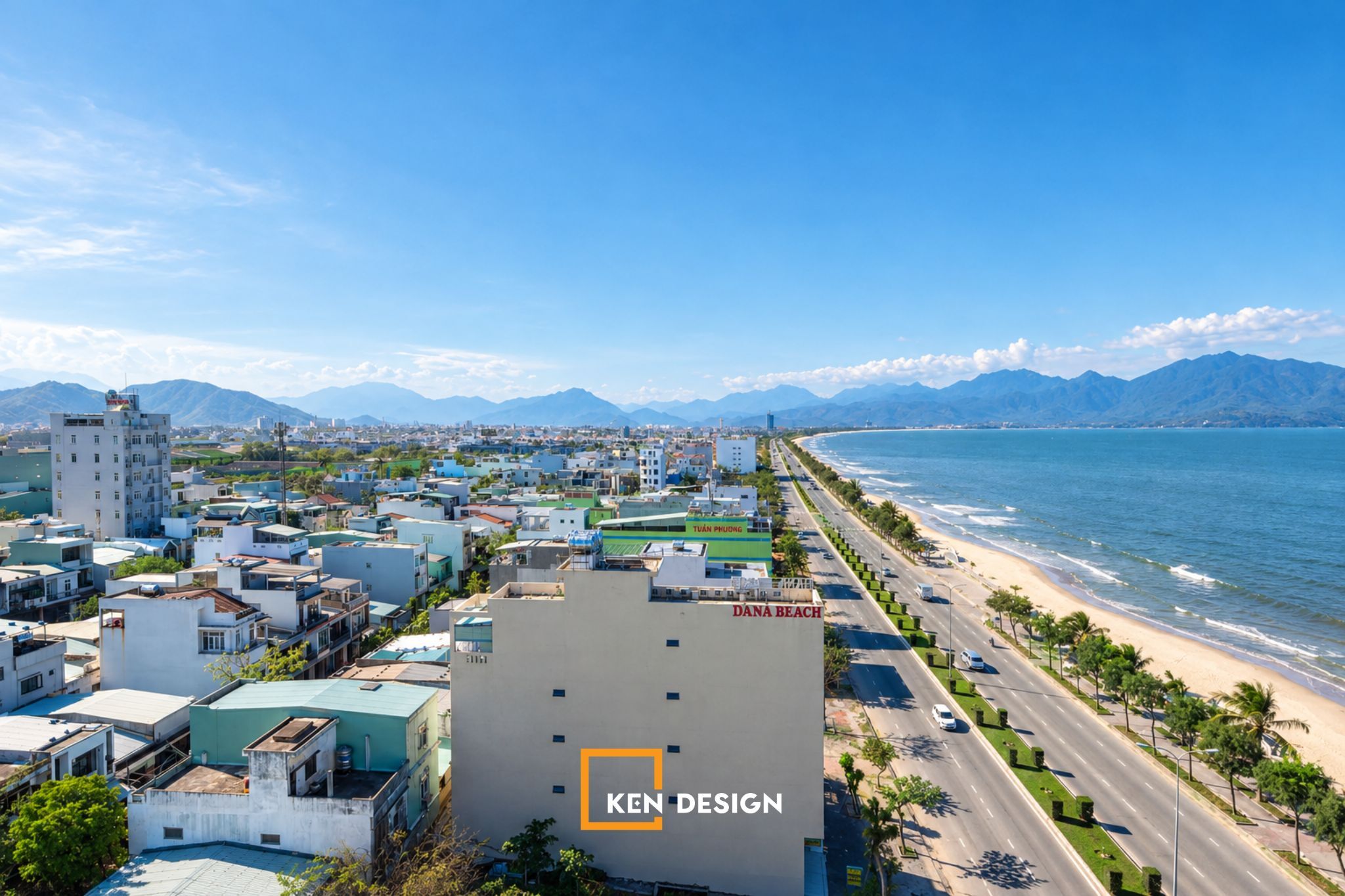
The isolated geography makes material delivery entirely dependent on boats, barges, or ferries. Maritime freight is inherently expensive, and unpredictable sea conditions, such as rough waters or storms can easily delay material delivery schedules.
Furthermore, mobilizing skilled labor and engineering teams from the mainland requires additional allowances, alongside significantly higher living and accommodation expenses.
1.2. Harsh Coastal Climate
Island environments feature extreme salinity and humidity levels. Airborne sea salt corrodes steel reinforcement, degrades timber, and causes exterior paint to peel rapidly. Additionally, frequent coastal storms present severe structural hazards, requiring far stricter architectural and load-bearing engineering standards.
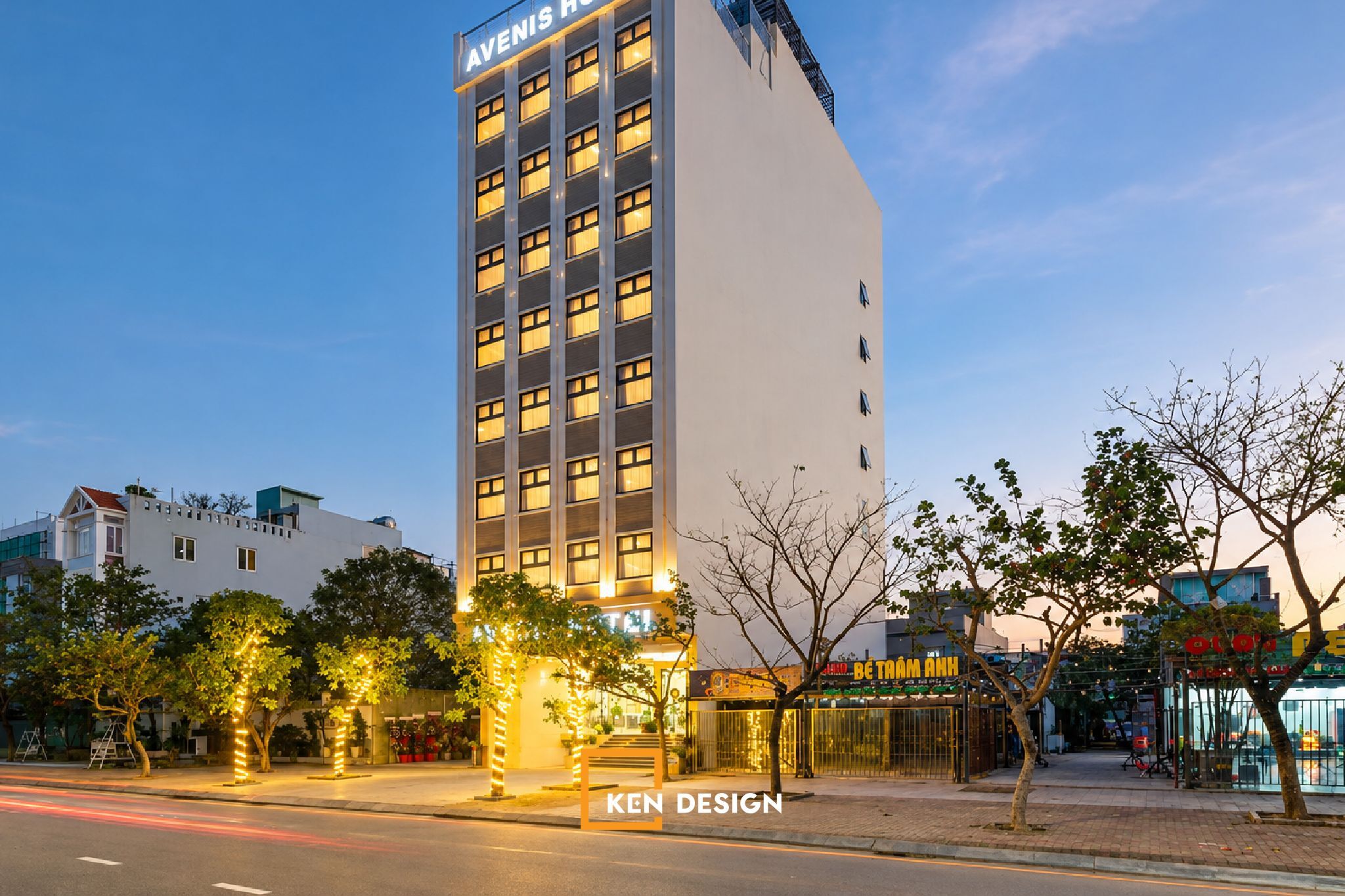
2. 5 Proven Strategies for Cost-Effective Island Hotel & Restaurant Design
To minimize financial stress while creating a captivating island destination, property developers should implement these smart design solutions:
2.1. Choose the Right Architectural Style
Architecture plays a pivotal role in project budget optimization. Priority should be given to rustic, nature-infused styles such as Tropical, Mediterranean, Japandi, or Minimalism. These concepts emphasize clean, natural lines over intricate moldings or elaborate detailing, cutting down on decorative material costs and skilled labor hours.
2.2. Leverage Local and Salt-Resistant Materials
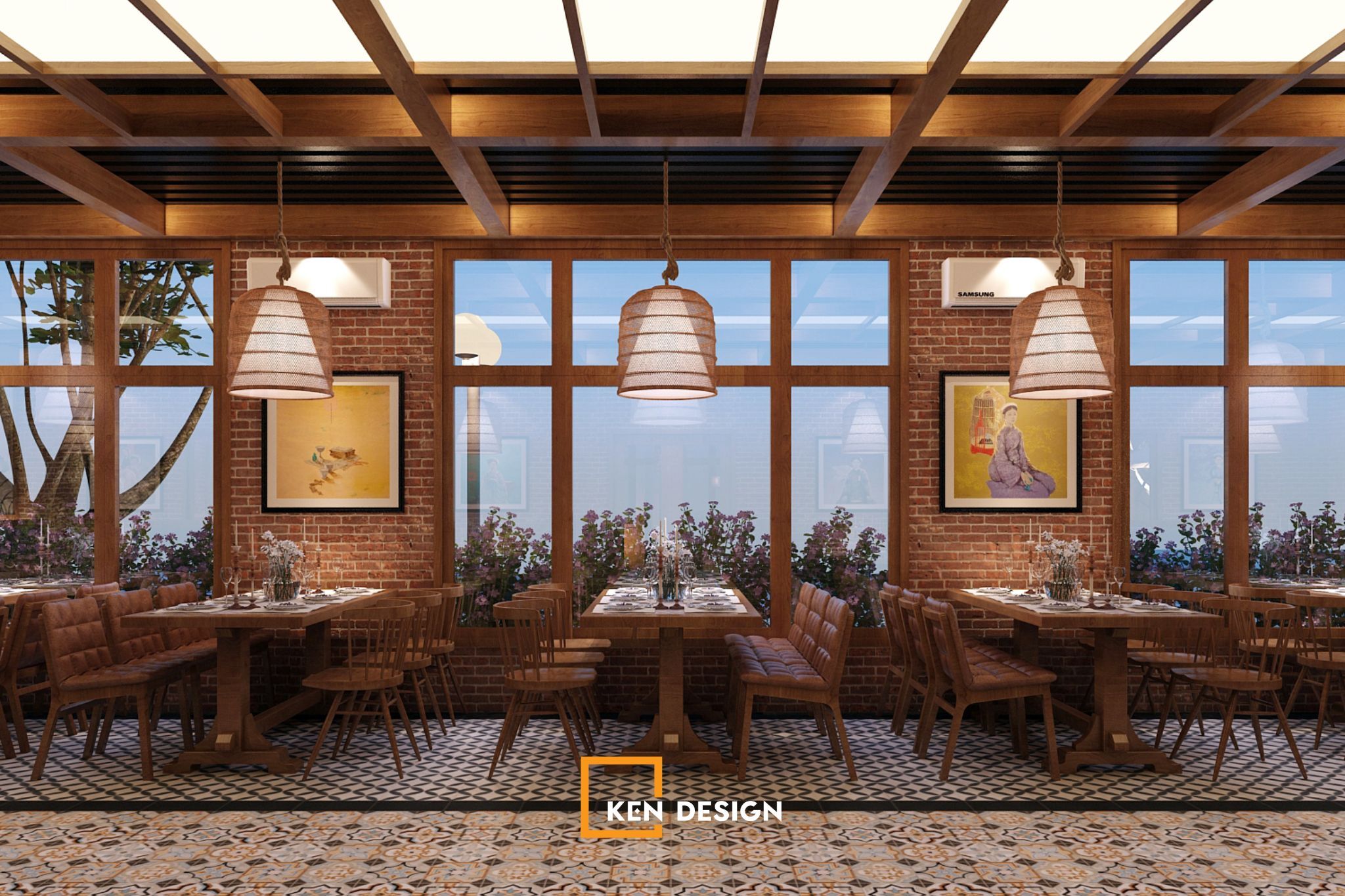
Utilizing locally sourced materials (such as river stones, laterite brick, bamboo, and local timber) significantly cuts down logistics and freight expenses. For core structural components, invest in corrosion-resistant and salt-tolerant materials to prolong building lifespan, drastically reducing long-term maintenance and repair costs.
2.3. Plan Open Spaces to Harness Natural Light and Sea Breezes
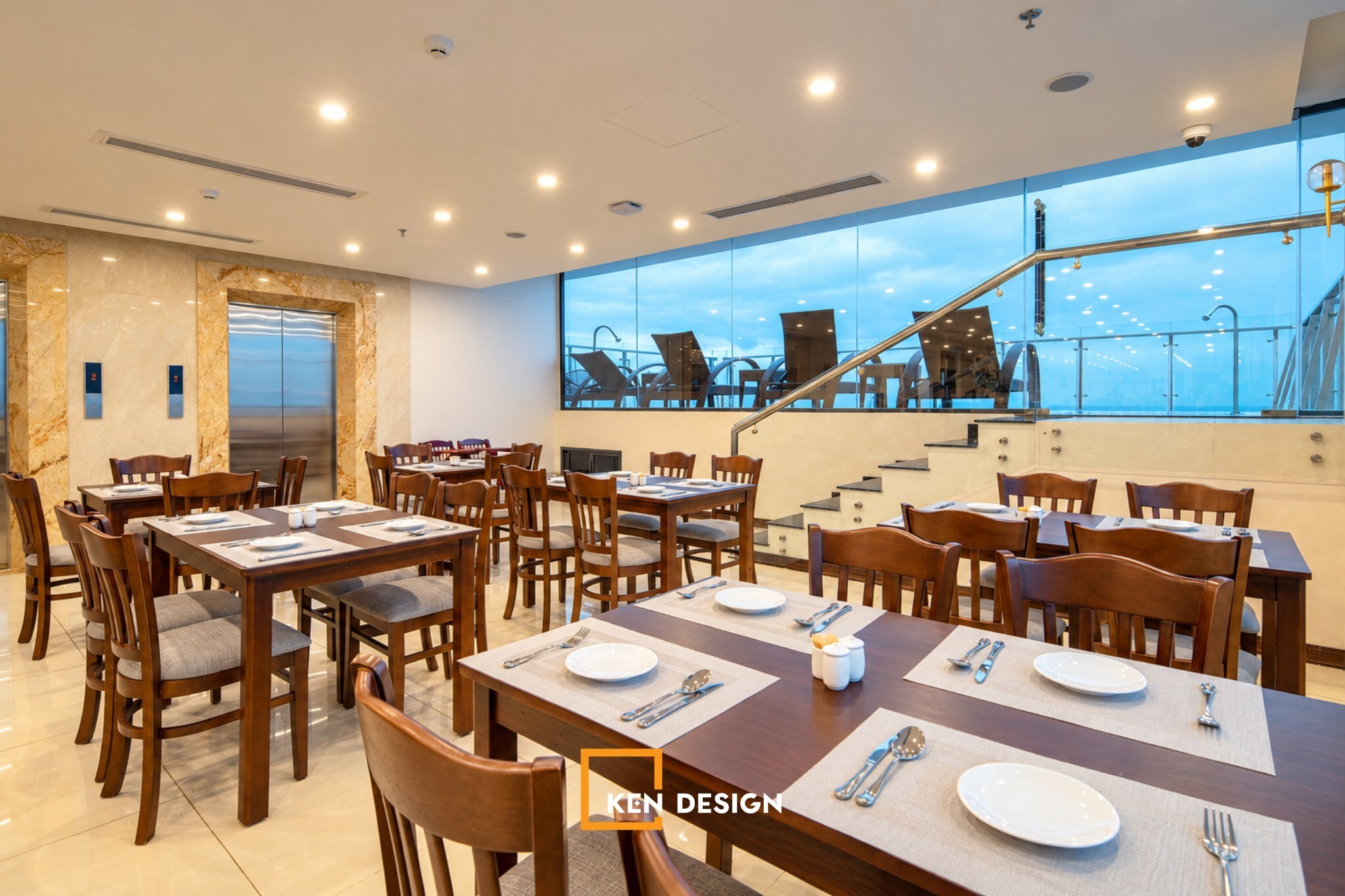
Designing open-plan layouts maximizes cross-ventilation from ocean breezes. This approach creates an airy, refreshing ambiance for guests while reducing reliance on air conditioning and artificial lighting, resulting in substantial monthly utility savings.
2.4. Adopt Modular Construction to Reduce Labor Costs
Prefabricated steel framing and modular building techniques offer ideal solutions for island developments. Components are precision-engineered off-site in factories and shipped to the island solely for assembly. This slashes on-site construction timelines by up to 50%, sharply lowering labor costs.
2.5. Integrate Multi-Functional Restaurant & Service Spaces
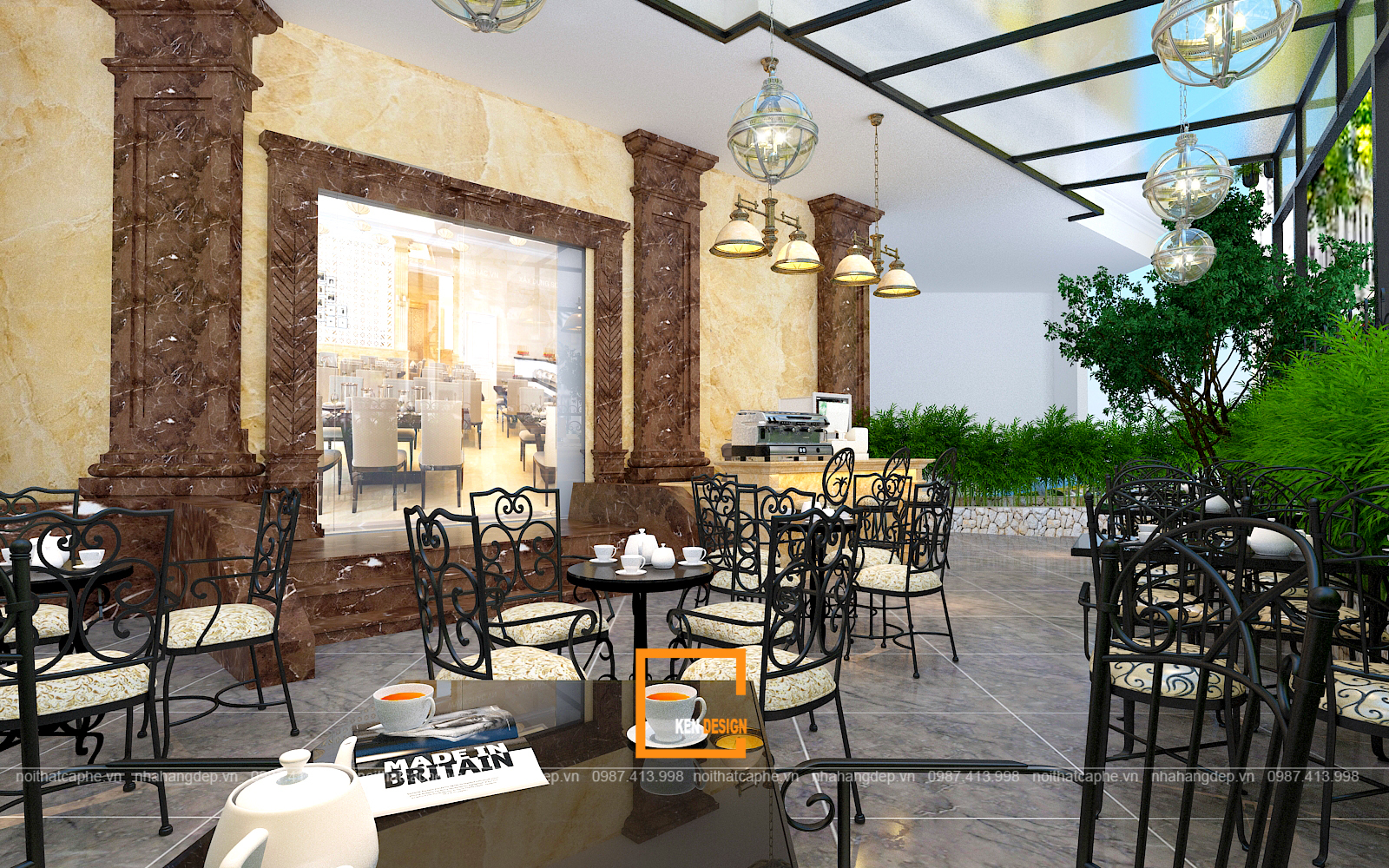
Instead of dividing the property into multiple single-use zones, which inflates spatial requirements and construction costs-opt for versatile, flexible layouts. Combining the main dining area, café, beach bar, and lounge into an integrated spatial flow maximizes usable square footage and drives higher guest expenditure per visit.
3. Material Selection Tips: Combining Durability with Budget Optimization
Strategic material selection is key to the long-term structural integrity of island hospitality venues:
-
Corrosion-Resistant Structural & Roofing Materials: Use hot-dip galvanized steel frames or high-grade anti-corrosion concrete. For roofing, consider PVC/ASA synthetic resin tiles that withstand chemical erosion and harsh salt spray.
-
Lightweight, Transport-Friendly Finishes & Furniture: Lightweight items reduce freight costs. Consider waterproof SPC rigid core flooring or crack-resistant faux-stone tiles. For interior furnishings, opt for synthetic PE rattan, high-grade WPC, Xingfa aluminum, or pressure-treated kiln-dried timber resistant to termites and moisture.
4. Costly Pitfalls to Avoid in Island Hospitality Projects
To keep your project running smoothly and prevent cash-flow disruptions or delays, avoid these common mistakes:
-
Neglecting Geological and Meteorological Surveys: Overlooking local hydrology, wind dynamics, and storm paths can lead to structural damage, coastal erosion, or rapid building degradation.
-
Over-Investing in Expensive but Unsuitable Materials: High cost does not equal durability in coastal climates. Always prioritize salt-resistant, anti-corrosive properties over luxury items that deteriorate rapidly.
-
Ignoring Technical Infrastructure Planning: Failing to incorporate solar power systems or saltwater desalination solutions early on will cause operational overhead to surge out of control.
Designing a cost-effective island hotel and restaurant doesn't have to be a daunting challenge when backed by smart spatial planning and precise material choices from the start.
If you are planning an island hospitality project, contact Kendesign today for expert tailored advice and a complimentary consultation!