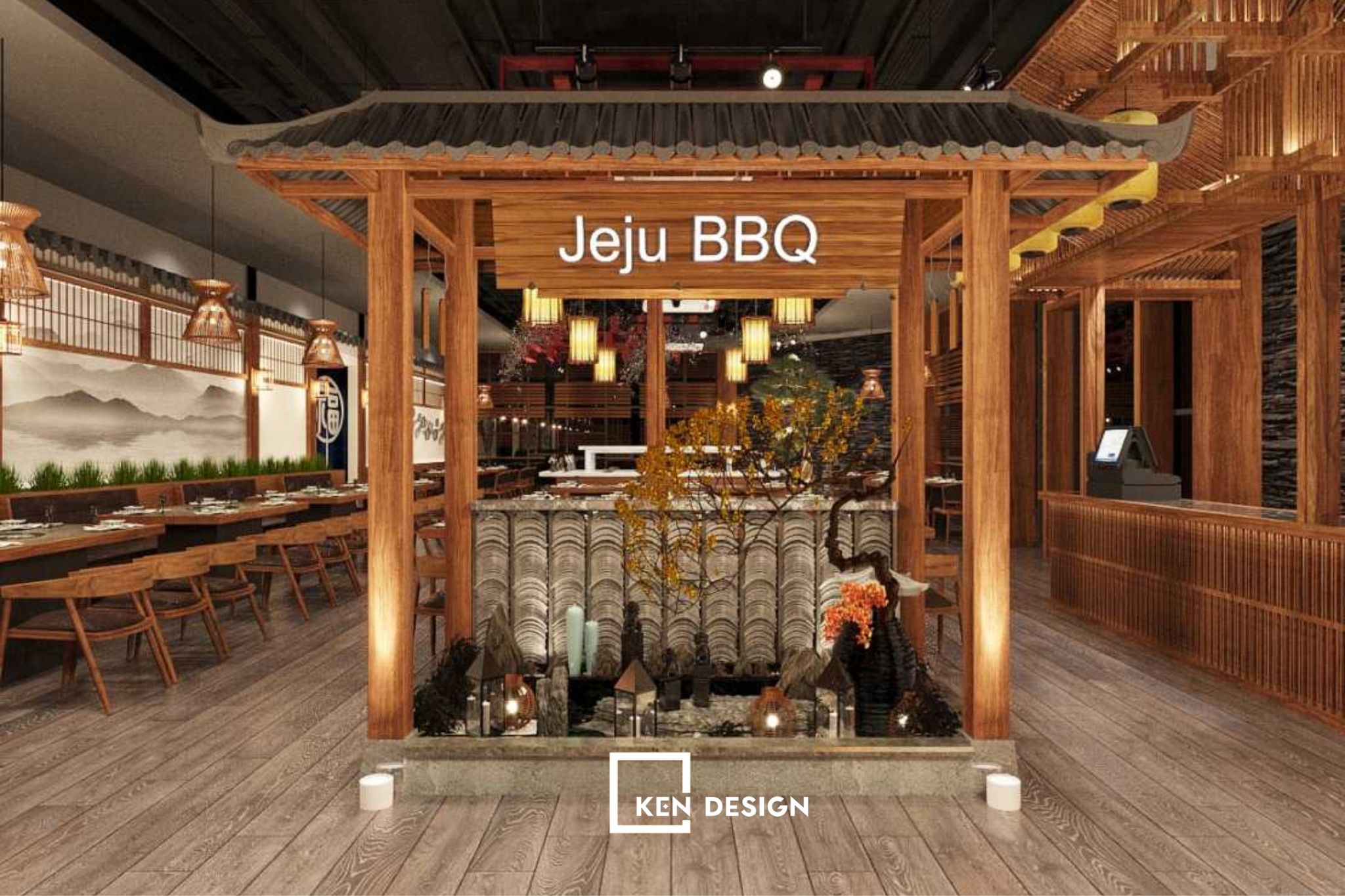
In this article, Kendesign shares expert strategies for investing in an island hotel-restaurant hybrid model, focusing on cost optimization, functional space planning, and maximizing guest attraction. Discover key insights for a high-yield investment!
1. Key Benefits of Investing in an Island Hotel-Restaurant Hybrid Model
The integrated hotel-restaurant concept remains a booming trend in coastal tourism destinations. It effectively addresses two primary traveler needs under one roof: luxury lodging and premium dining.
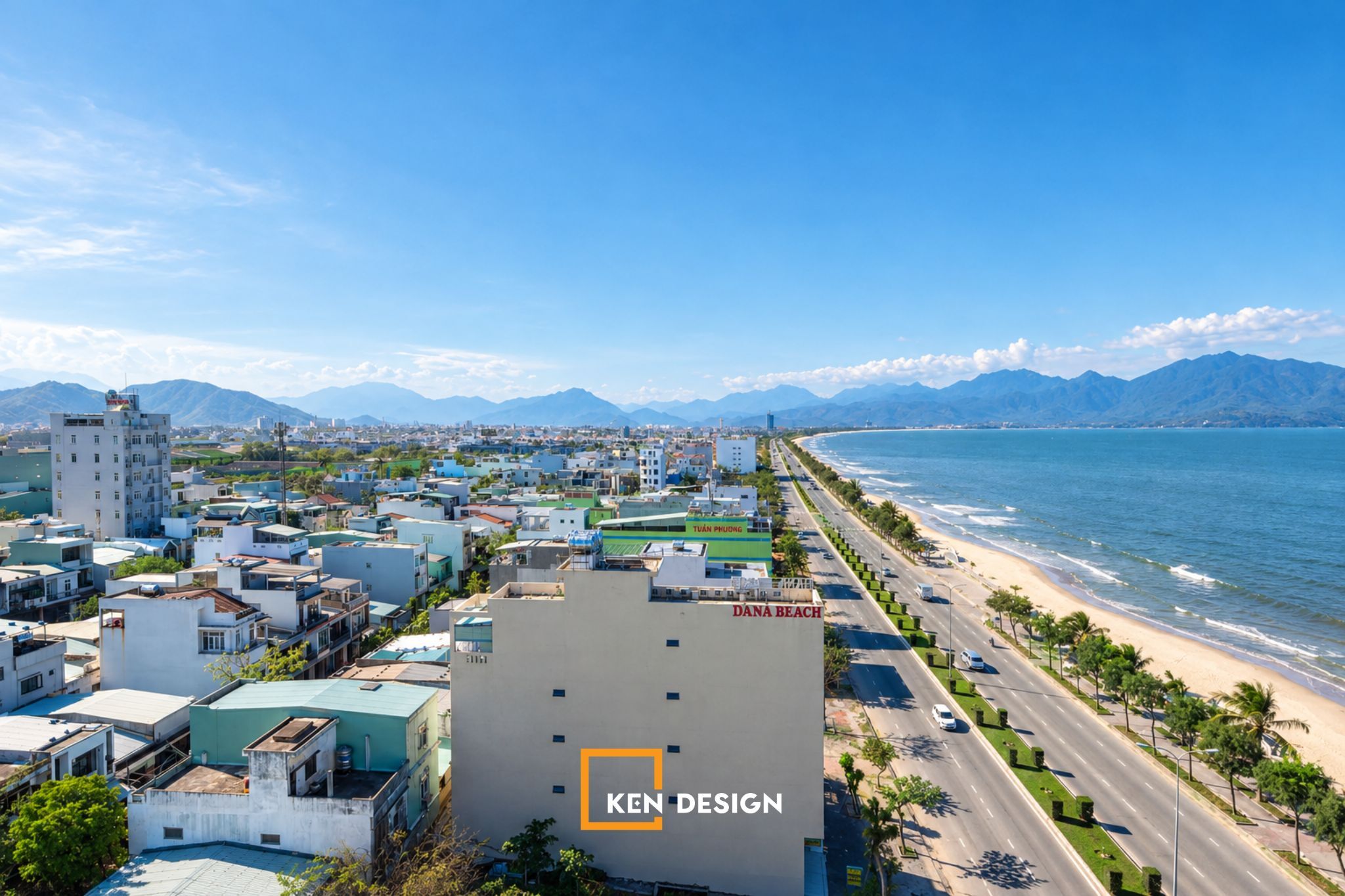
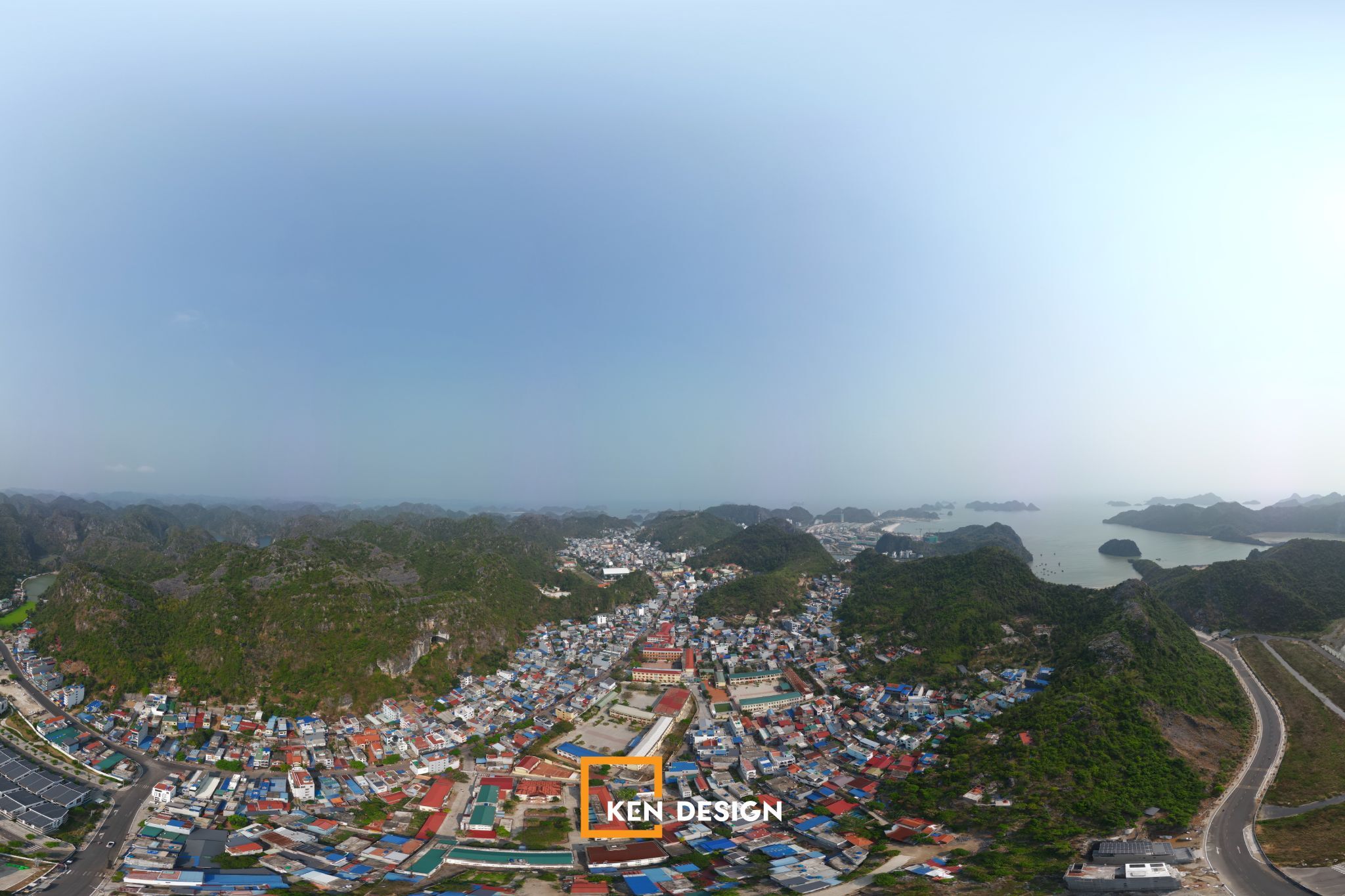
1.1. Maximizing Revenue per Square Meter
By investing in an integrated complex, developers can optimize both spatial efficiency and financial yield. Rather than relying solely on room rates, the property generates steady, dual revenue streams from food and beverage (F&B), group banquet hosting, and café services.
1.2. Delivering a Seamless "All-in-One" Guest Experience
Tourists naturally value convenience. Combining accommodation and dining in a single location saves travel time, making it particularly appealing to larger travel groups, families, and corporate retreats.
1.3. Streamlining Operational and Management Costs
Operating under a unified management structure significantly reduces overhead compared to managing two separate businesses. Shared technical infrastructure (such as fire safety systems, utility grids, and parking lots) is streamlined, cutting down both land acquisition and construction expenditures.
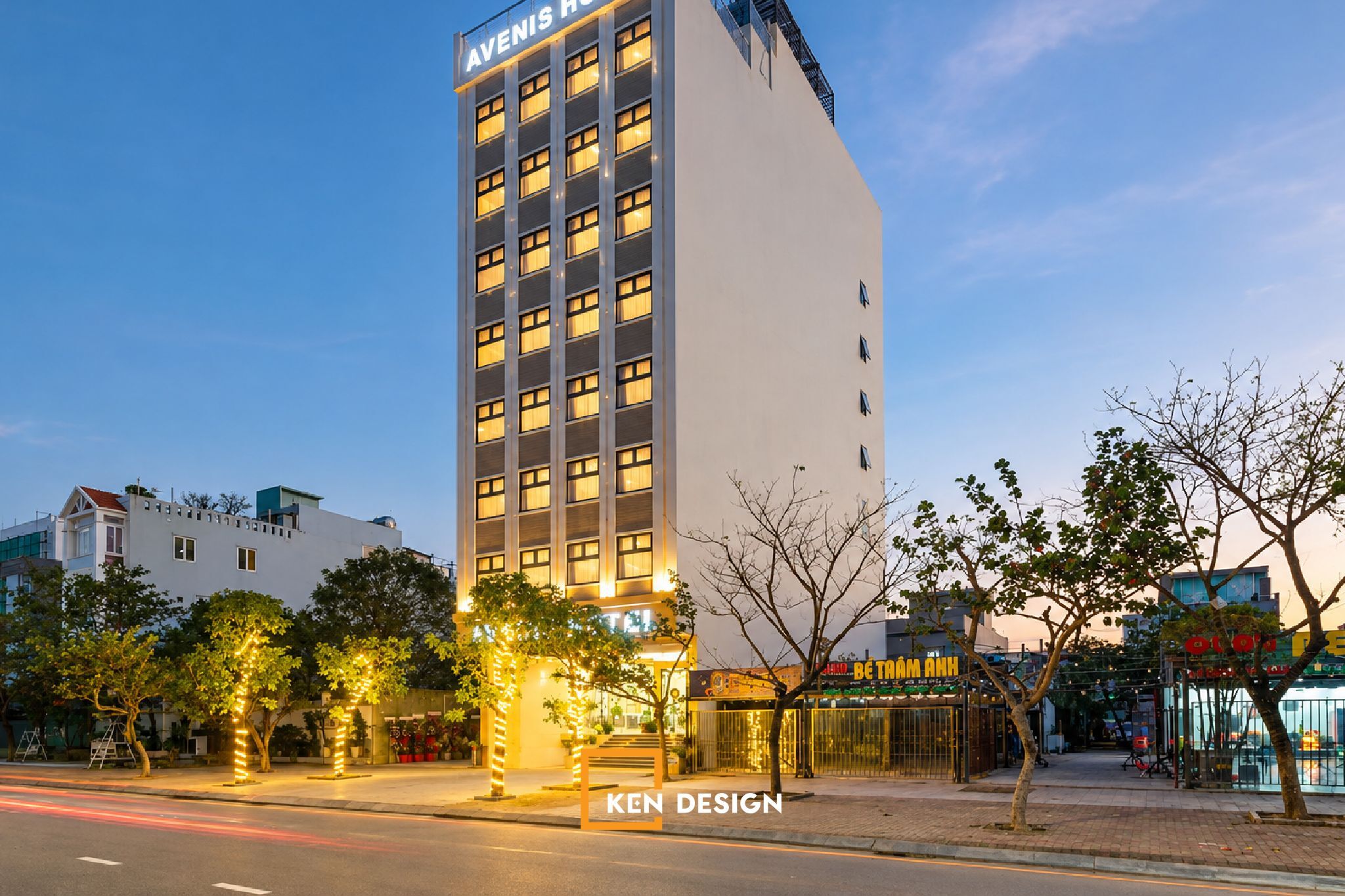
2. Golden Rules for Designing Island Hotel-Restaurants
Unlike mainland projects, designing hospitality developments on an island requires a deep understanding of coastal microclimates, weather conditions, and guest behavior patterns.
To ensure aesthetic appeal, long-term durability, and budget efficiency, investors should follow these essential design principles:
2.1. Selecting Coastal-Appropriate Architectural Styles
Given the unique weather exposure of island sites, design styles such as Modernism, Tropical, and Mediterranean are highly recommended. Combining clean modern architectural lines with lush greenery creates a space that feels both luxurious and refreshingly open for vacationers.
2.2. Prioritizing Marine-Grade & Salt-Resistant Materials
Island air carries high salt concentrations and elevated humidity, which accelerate rusting, corrosion, and paint peeling. Investors should prioritize high-performance materials:
-
Heavy-duty storm-resistant tempered glass
-
Powder-coated Xingfa aluminum frames
-
Stainless steel alloys
-
Natural stone cladding
-
High-grade anti-alkali, stain-resistant exterior paints
3. Functional Layout Solutions for Operational Efficiency
In island hotel-restaurant architecture, logical functional zoning accounts for up to 80% of operational success.
3.1. Designing Clear, Segregated Traffic Flow
Every dual-purpose hospitality complex should feature distinct circulation pathways for hotel guests, dining customers, and back-of-house staff. This prevents bottlenecking during peak hours while maintaining privacy and quietude for overnight guests.
3.2. Implementing a One-Way Commercial Kitchen Layout
Kitchen facilities must follow a strict one-way operational flow (single-direction workflow) to adhere to food safety standards. Advanced commercial exhaust and specialized drainage systems are vital to prevent odor and moisture from affecting upper-floor guest rooms.
3.3. Acoustic Insulation Between Functional Zones
Ground-floor restaurants generate ambient noise from music and patrons. Heavy-duty soundproofing and vibration-dampening flooring materials between the restaurant level and accommodation floors are essential to deliver a serene environment for guests.
3.4. Rigorous Fire Safety & Emergency Egress Compliance
Hospitality developments must strictly comply with current fire safety regulations. Designs must incorporate automated fire detection networks, sprinkler systems, and dedicated emergency exit stairwells to ensure maximum safety during operations.
4. Smart Cost Optimization Strategies for Island Developments
Developing a coastal hospitality property demands substantial capital. Investors should leverage the following financial management practices:
4.1. Phased Financial and Budget Planning
Before breaking ground, categorize and map out your capital expenditure into three distinct phases:
-
Permitting & Legal Compliance Costs
-
Capital Expenditure (CapEx) for Construction & Outfitting
-
Initial Working Capital & Operational Expenses
A detailed budget breakdown prevents cash flow disruptions and keeps the project financially resilient.
4.2. Adopting Material-Efficient Architectural Styles
Opt for minimalist, modern, or biophilic design approaches rather than overly intricate, labor-intensive decorative details. Clean architectural forms reduce material waste and streamline ongoing maintenance costs on the island.
4.3. Partnering with Full-Service Design & Build Firms
Collaborating with an experienced architecture firm that understands island-specific logistics ensures optimal spatial solutions right from the start.
Accurate 3D architectural renderings and precise bill of quantities (BOQ) eliminate guesswork, minimizing costly design revisions during the construction phase.
Mastering these island hotel-restaurant design principles is the key to building a sustainable, high-ROI hospitality brand. We hope these insights help you lay a solid foundation for your upcoming island investment project!